




Affiliate Disclosure: Some content on The Scuba News may include affiliate links. Find out how this supports our work.
Macro is having a moment. Across the world’s dive hotspots, photographers are trading long chases for slow, curious searches among the sand, rubble, and coral. The reward is a new way of seeing – intimate portraits of lives measured in millimetres. This is more than a passing trend; it’s a shift in how divers connect with the ocean.
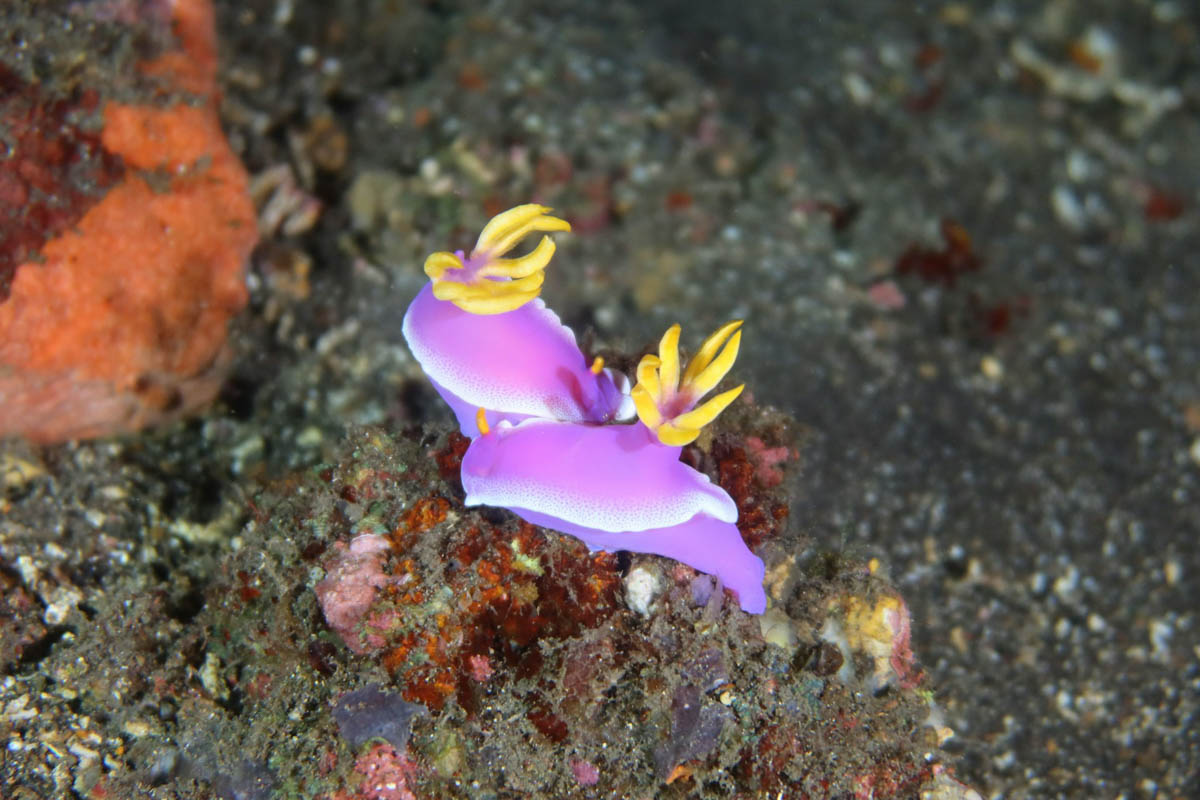
Photo by Ekaterina Zlotnikova on Unsplash
Why small is irresistible
Macro changes the rhythm of a dive. Instead of racing after mantas or schooling jacks, you stay close, scanning for motion no bigger than a fingernail. A single coral head can keep a diver occupied for an hour, home to nudibranchs, shrimps, gobies, blennies, and juvenile fish that most people swim right past.
Research into reef “cryptobiota” – the tiny, hidden creatures that make up much of reef biodiversity, reveals that this small life supports the entire system. Studies hosted by the NOAA Coral Reef Conservation Program show just how many species exist below a diver’s normal field of view, which helps explain why macro divers rarely get bored.
The rise of the spotlight look
On social media and in photo competitions, macro’s popularity is driven by style. The now-iconic “black background” portrait, where a single subject glows against darkness, has become a modern classic. Much of this effect comes from precise lighting using snoots or fibre-optic spotlights that isolate a creature against the reef. Tutorials on DivePhotoGuide show how photographers refine these techniques to control light, create depth, and give their images drama.
Blackwater macro has also added to the appeal. Suspended over deep water at night, photographers capture larval fish and planktonic creatures that look like science fiction. Images like these have turned heads in global awards, helping prove that macro subjects can be as breathtaking as any big animal encounter.

Destinations built for close-up wonder
Certain regions have become legends for macro diving, and none more so than the Lembeh Strait in Indonesia. With calm conditions, black sand slopes, and expert spotters, Lembeh remains the gold standard for photographing rhinopias, flamboyant cuttlefish, and blue-ringed octopus.
Beyond Indonesia, Anilao in the Philippines, Bali’s Seraya and Amed, and the calm bays of the Egyptian Red Sea all deliver superb macro opportunities. For travellers, planning a dedicated macro itinerary is easier than ever through liveaboard specialists such as LiveAboard.com or day-trip options from destinations listed on Viator. Each offers access to macro-rich reefs and experienced guides who know where to look for the tiniest treasures.
The creative toolkit that makes macro addictive
Macro photography rewards craftsmanship. Compact cameras with strong close-focus lenses can produce professional results with minimal gear, while wet diopters and focus lights push detail even further. Adding a snoot or small strobe lets you experiment with mood and highlight texture. The learning curve is immediate – each small tweak in angle or light gives instant feedback underwater.
Ethics that keep macro sustainable
Because macro work is intimate, ethics matter. Perfect buoyancy prevents silty habitats from being smothered, and subjects should never be handled or repositioned. Work with dive centres that follow responsible photography practices and limit light intensity. Protecting the subjects we love to photograph ensures these habitats thrive for future dives.
Why macro is perfect for today’s diver
Macro suits the modern diver. It works in limited visibility, requires less travel, and produces award-worthy results without needing to encounter large marine life. It’s accessible, creative, and deeply mindful – a form of slow diving that rewards observation over distance. Every grain of sand can hide a story waiting to be captured.
Getting started, getting better
Start small. Focus on one subject, one idea, and one good light. Frame the eyes, simplify the background, and let composition lead. When your local site feels “done,” change your approach instead of location – look for behaviour, movement, or interaction. The ocean will always reveal more when you slow down enough to notice it.
Comments