




There are few places on Earth where the ocean feels as alive, colourful, and pristine as it does in the Maldives. This island nation, scattered like jewels across the Indian Ocean, has long held a mythical status among divers. Beneath its turquoise lagoons lies a world of shimmering coral gardens, drifting manta rays, and whale sharks cruising through sunlight-filled channels. It is a destination that fuses tropical beauty with genuine adventure, offering experiences that stay with divers long after they surface.
A Marine Wonderland
The Maldives archipelago stretches across 26 atolls and more than a thousand coral islands, each surrounded by deep blue channels known locally as “kandus.” These natural highways carry nutrient-rich water from the open ocean into the atolls, feeding a spectacular variety of marine life. According to PADI, the warm waters, usually between 26 and 29 degrees Celsius, create perfect diving conditions year-round. Visibility is often crystal clear, especially during the dry season when currents are steady and light.
What makes diving here so special is the sheer diversity of underwater experiences. There are drift dives through coral channels where white-tip reef sharks patrol in the current, gentle reef dives with clouds of anthias and butterflyfish, and pinnacles or “thilas” that rise from the depths covered in soft corals. As described by SeaCrush, it’s a place where every dive feels cinematic.

Photo by Zunnoon Ahmed on Unsplash
Getting There and Getting Around
Most divers begin their journey at Velana International Airport on Hulhule Island near Male. From there, transfers by seaplane, domestic flight, or speedboat whisk visitors to their chosen resort, local island, or liveaboard. Each transfer feels like part of the adventure, as atolls stretch endlessly below in shades of blue and emerald.
The central atolls, including North and South Male, are easiest to access, making them ideal for short dive holidays. Those seeking a wilder experience often head further south to Ari, Vaavu, or Fuvahmulah, where ZuBlu Diving notes that encounters with large pelagics become almost guaranteed. Many divers choose liveaboards, such as those featured on Liveaboard.com, which allow them to move seamlessly between atolls and explore more remote dive sites than day boats can reach.
Seasons and Conditions
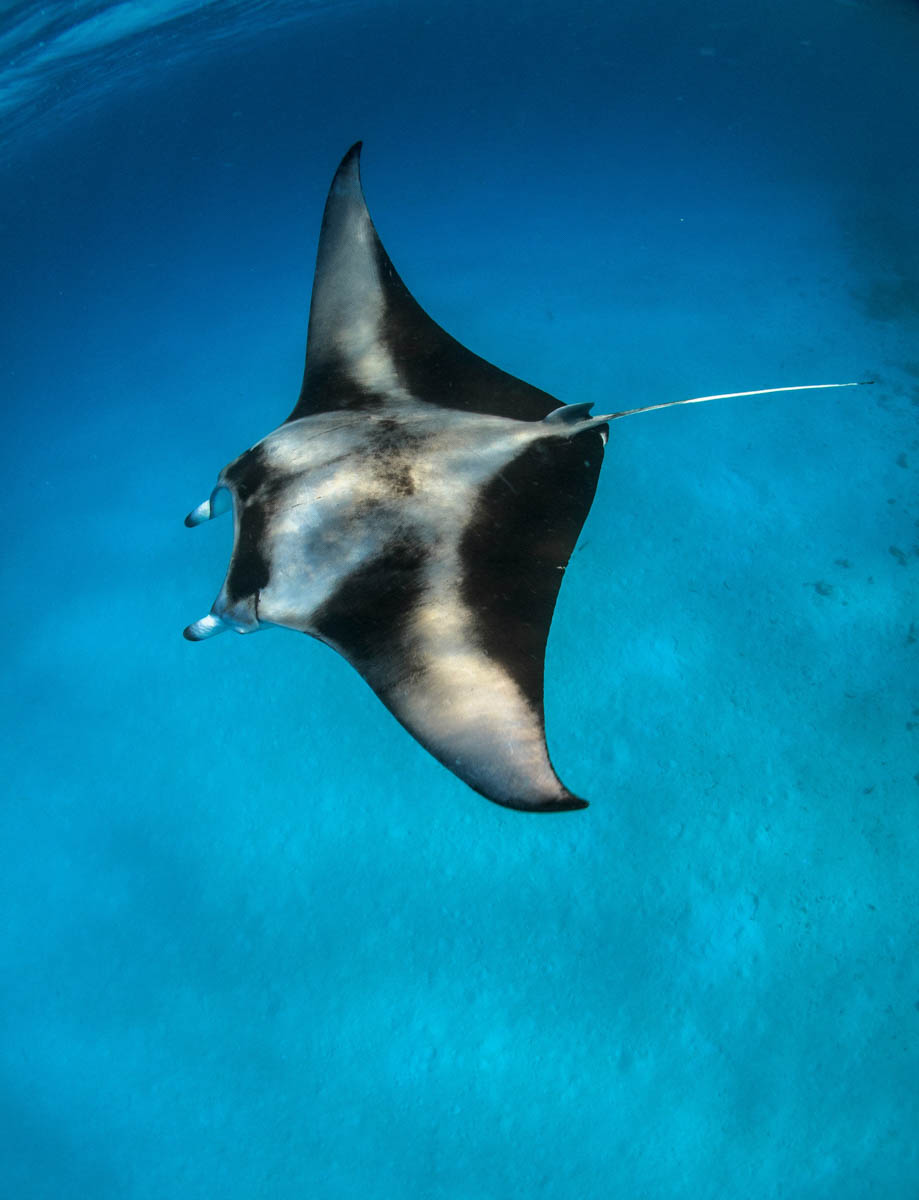
The Maldives offers excellent diving all year, but conditions shift subtly with the monsoons. The dry northeast monsoon, from November to April, brings calmer seas and exceptional visibility. During this season, divers can expect vivid coral gardens and clear channel dives, especially in the central and southern atolls. The southwest monsoon, from May to October, stirs up plankton blooms that attract manta rays and whale sharks, particularly along the eastern sides of the atolls. As Explorer Ventures explains, these months offer some of the most rewarding big-animal encounters, even if conditions are a touch more unpredictable.
Currents are part of the Maldives’ allure, adding excitement and bringing life to every reef. Drift dives can be exhilarating, with divers gliding past coral slopes and overhangs teeming with activity. According to discussions on Reddit’s scuba community, even experienced divers find the Maldives a thrilling challenge that hones buoyancy and awareness. For beginners, there are still plenty of sheltered lagoons and calm reef sites where conditions remain gentle and inviting.
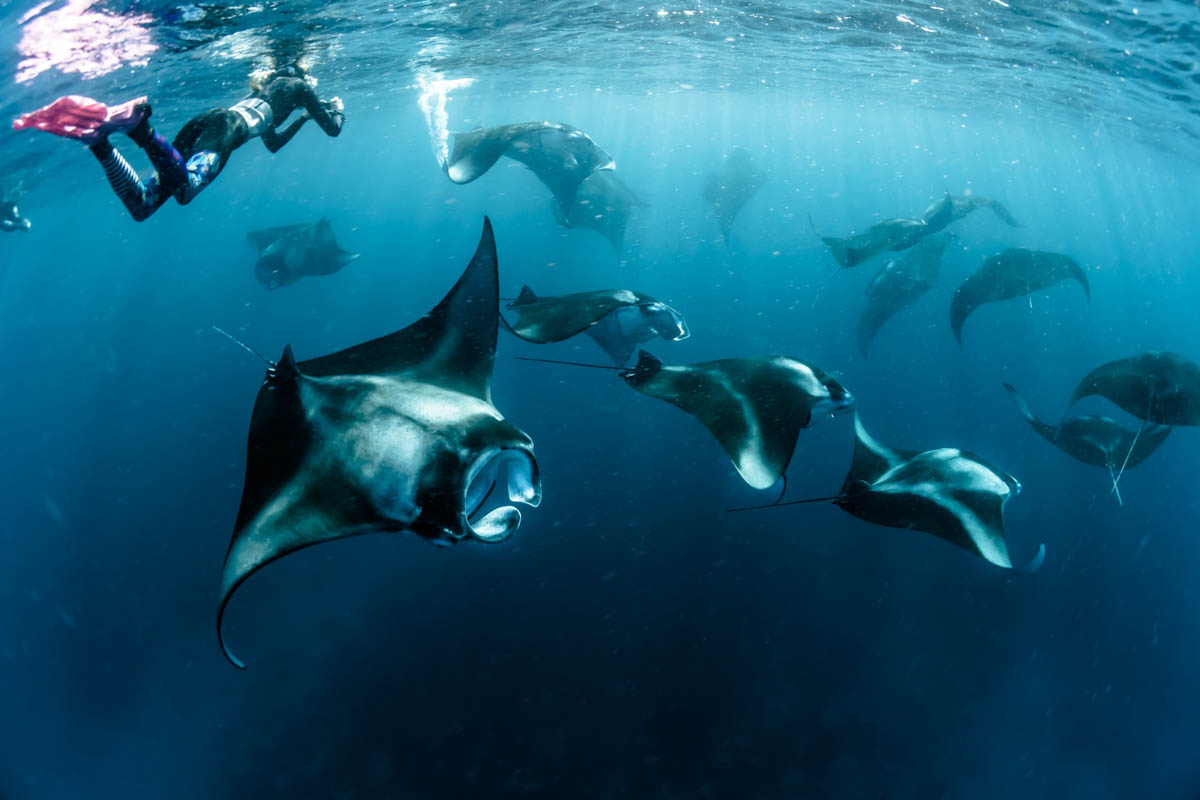
Photo by Sebastian Pena Lambarri on Unsplash
Diving Highlights
Every atoll has its own personality, shaped by currents, depth, and geography. In North and South Male, divers often start their exploration at sites like Kandooma Thila, known for its vivid soft corals and reef sharks. Moving westward, South Ari Atoll stands out as one of the world’s premier whale shark destinations. Here, around Dhigurah and Maamigili, sightings are possible year-round, often in shallow water.
Further south, Vaavu Atoll is home to Fotteyo Kandu, a channel dive that many consider the most spectacular in the country. Caverns, swim-throughs, and dramatic walls make it a site where every dive reveals something new. In the far north, Baa Atoll is protected as a UNESCO Biosphere Reserve and becomes a feeding ground for hundreds of mantas during the southwest monsoon. The more remote Fuvahmulah Atoll is the place for tiger shark encounters, adding an adrenaline-charged finale to any Maldivian itinerary.
Preparing for Your Dive Trip
While the Maldives caters to all experience levels, divers with advanced certification or drift-diving familiarity will make the most of its channel and deep-reef sites. Operators are well-versed in safety and often offer Nitrox for longer bottom times, as noted by Diventures. Lightweight wetsuits are usually sufficient, with water temperatures remaining comfortably warm throughout the year.
Above the surface, accommodation defines the rhythm of your trip. Luxury resorts provide convenience and comfort with dedicated dive centres, while liveaboards maximise underwater time and access to remote areas. For travellers seeking a more authentic experience, local island guesthouses deliver excellent diving at a fraction of resort prices, all while supporting community-based tourism as highlighted by ZuBlu Diving.
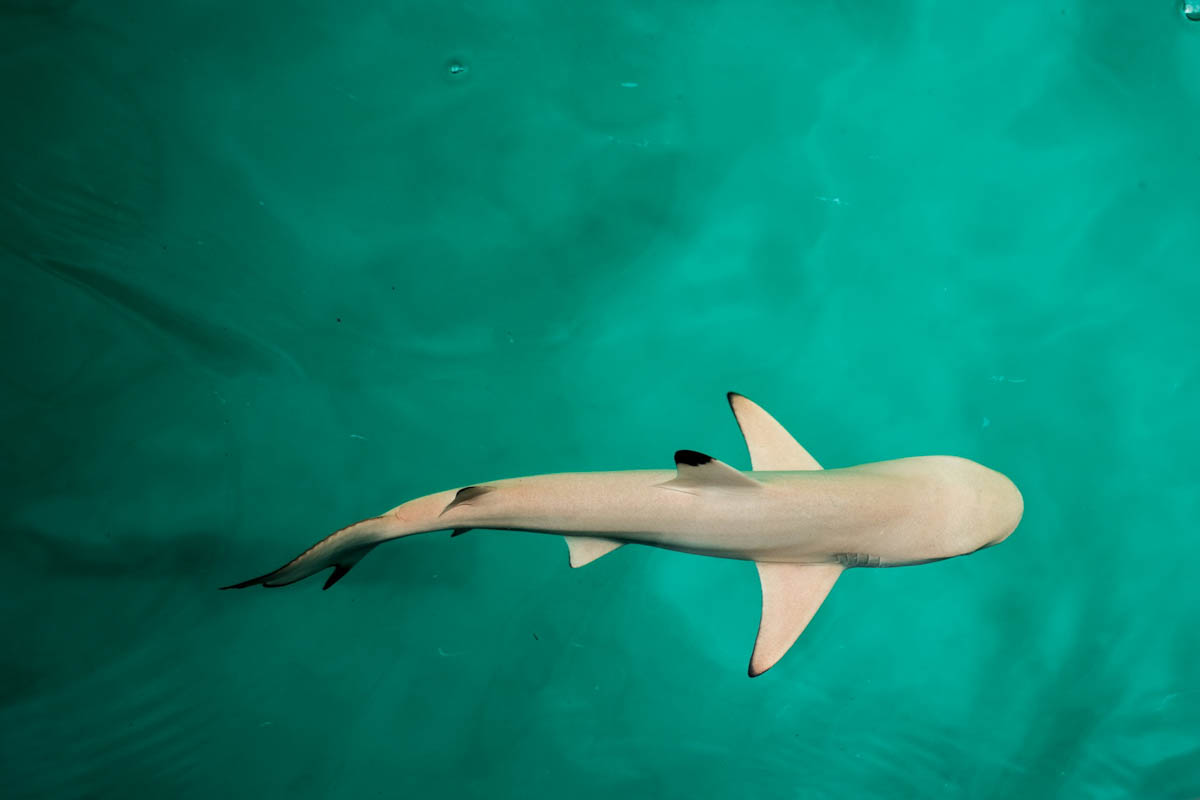
Photo by Ali Abdul Rahman on Unsplash
Why the Maldives Captures Every Diver’s Imagination
To dive in the Maldives is to witness a living masterpiece. The reefs pulse with life, the water glows with clarity, and the encounters feel both intimate and epic. Few places offer such a balance of accessibility, comfort, and wildness. Whether you are gliding alongside a manta ray, photographing sharks in a channel, or floating in the silence of a coral garden, every moment beneath these waters feels profound.
The Maldives remains not just a top destination, but a rite of passage for divers who dream of the ocean at its most vibrant. For those who have yet to experience it, there is no better time to dive in.
Ready to See The Maldives? Check For Deals
All products featured here are independently selected by our editors and writers. If you buy something through links on our site, The Scuba News may earn a small commission, but this does not affect the price you pay. Any prices included are correct at time of publication.
Comments