



To dive in Indonesia is to enter a world unlike any other. Sitting at the heart of the Coral Triangle, this vast nation holds the richest marine biodiversity on Earth. Every current and coral head tells a story shaped by the Indonesian Throughflow, where Pacific and Indian waters collide to create one of the most vibrant marine ecosystems on the planet.
But statistics only tell part of the story. Indonesia’s magic lies in its details – the flash of a pygmy seahorse, the sweep of a manta ray, and the quiet hum of a reef alive with life. Diving here isn’t a simple holiday; it’s a journey through the living pulse of the ocean.
Getting There and Getting Around
With more than 17,000 islands scattered across the equator, Indonesia is both spectacular and logistically complex. Most international travellers arrive via Jakarta, Bali, or Surabaya before connecting to regional airports such as Labuan Bajo for Komodo or Sorong for Raja Ampat.
Domestic flights are frequent, though smaller operators sometimes face delays, so patience and flexibility are essential. The extra effort, however, rewards divers with untouched reefs, empty sites, and wildlife encounters few ever see.
Seasons and Conditions
Indonesia spans multiple microclimates, so “best time to dive” depends on the region. Komodo’s peak season runs from May to September when visibility and currents are ideal. Raja Ampat tends to shine between November and April. Bali and Sulawesi are diveable almost year-round, with only brief interruptions from seasonal rains.
Even during the wet months, tropical showers are short-lived, leaving most days clear for diving.
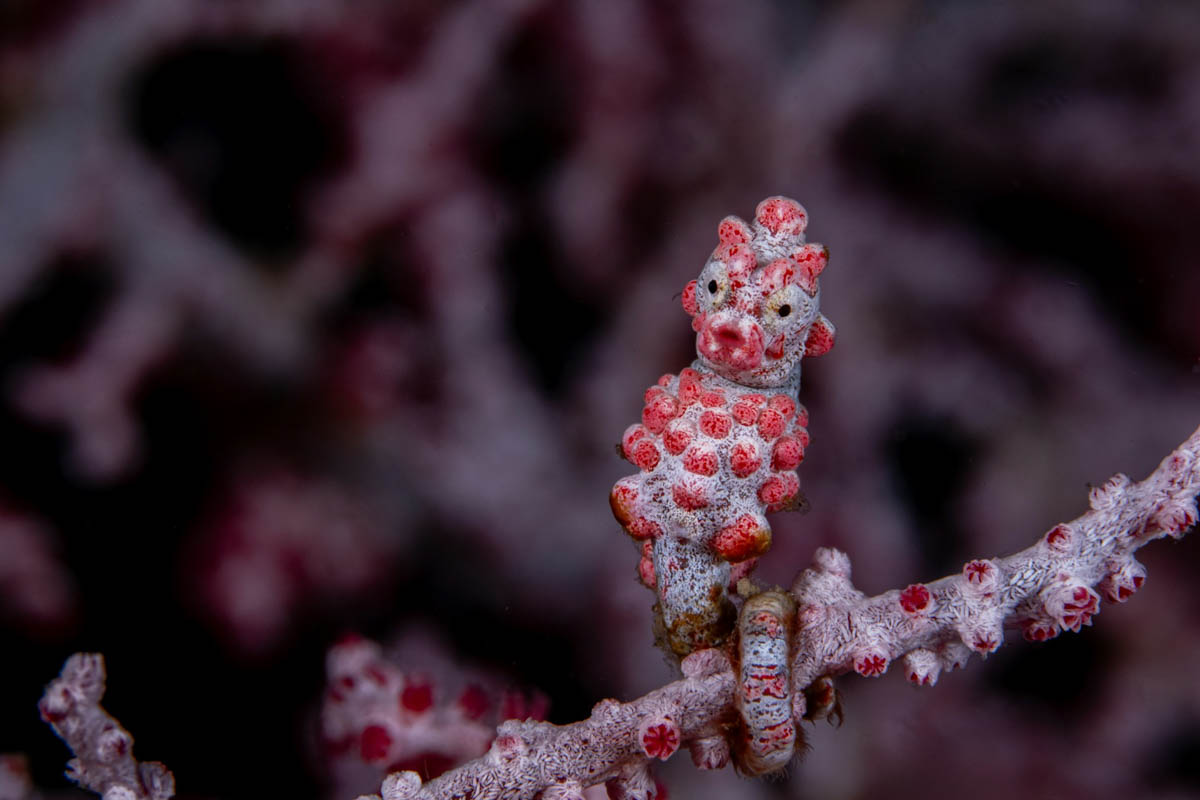
Photo by Pascal van de Vendel on Unsplash
What to Expect Underwater
Indonesia’s underwater landscapes range from coral-studded drop-offs to black-sand slopes crawling with life. In the Lembeh Strait, divers discover the surreal world of muck diving – mimic octopuses, flamboyant cuttlefish, and frogfish hidden in volcanic sand. Off Bali’s northeast coast, the famous USAT Liberty wreck lies encrusted in coral and surrounded by swirling anthias.
For pelagic encounters, Komodo’s current-swept channels bring manta rays, reef sharks, and turtles into view. Further east, the remote reefs of Raja Ampat remain among the most biodiverse in the world, often cited by National Geographic as the planet’s richest marine region.
Currents can be challenging in some areas, especially in Komodo and Alor, so divers should have solid drift experience or dive with guides who understand local conditions. Visibility averages 20–30 metres, while water temperatures range from 24 °C to 30 °C depending on depth and region.
Safety standards across Indonesia are strong, with many centres affiliated with PADI or SSI. Carrying an SMB, following dive briefings closely, and maintaining insurance that covers remote evacuation are all sensible precautions.
Beyond the Water
Indonesia’s topside experiences are just as captivating. In Komodo, divers can trek among the legendary dragons or climb Padar Island for one of Asia’s most photographed sunsets. In Bali, ancient temples rise from jungles and rice terraces, while in Sulawesi, traditional villages still practice age-old customs that feel untouched by time.
Food is a highlight everywhere – freshly grilled seafood, spicy sambals, and tropical fruit feasts shared between dives. After sunset, the calm rhythm of island life takes over, and even the most restless traveller slows to match it.
The Dive Regions That Define Indonesia
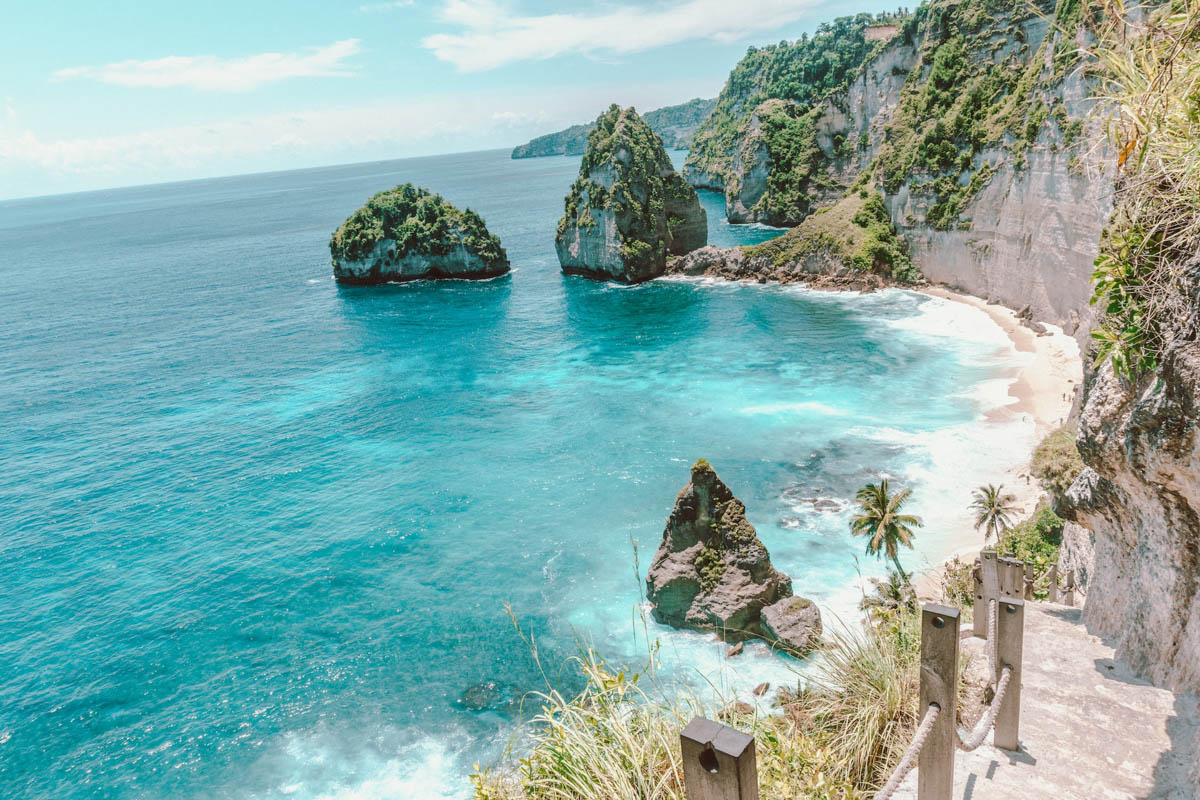
Photo by Johnny Africa on Unsplash
Bali and Nusa Penida
Bali is a perfect introduction to Indonesian diving. From the wreck at Tulamben to the manta cleaning stations around Nusa Penida, the island offers variety for every skill level. Calm conditions, established dive centres, and excellent value make it a dependable year-round base.
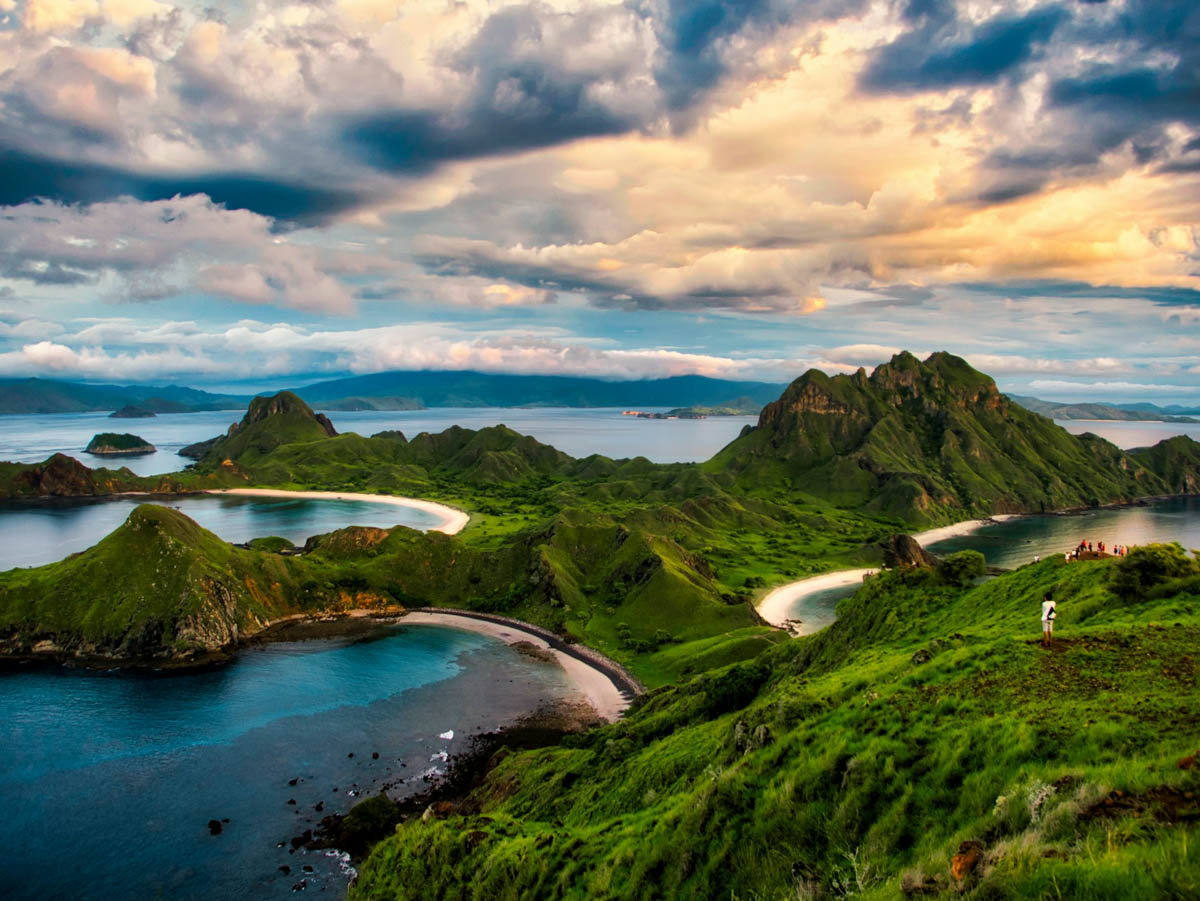
Photo by Fajruddin Mudzakkir on Unsplash
Komodo and Sape Strait
Komodo delivers one of the most exhilarating drift-diving experiences on Earth. Nutrient-rich currents attract mantas, reef sharks, and huge schools of fish. Between dives, explore volcanic hills, pink-sand beaches, and island trails dotted with the park’s famous dragons.
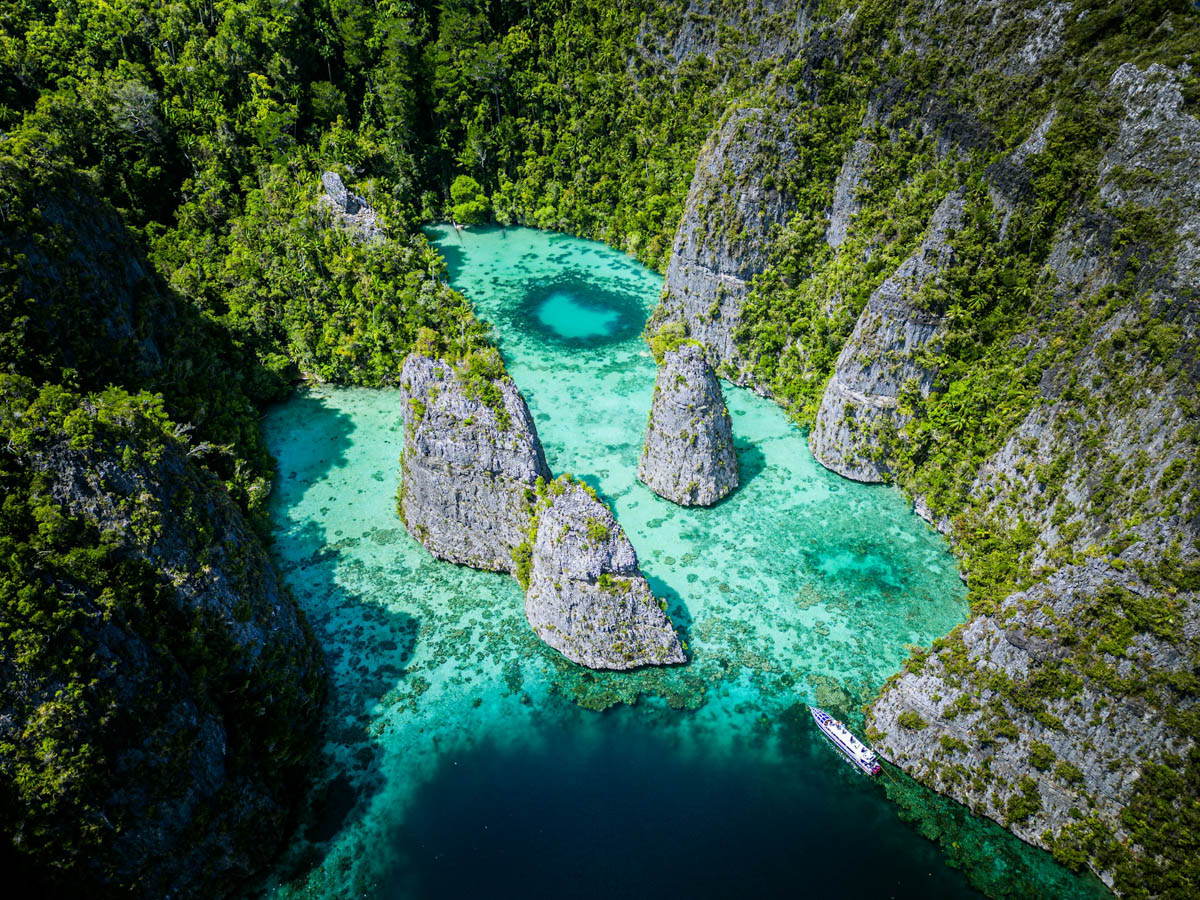
Photo by Simon Spring on Unsplash
Raja Ampat and West Papua
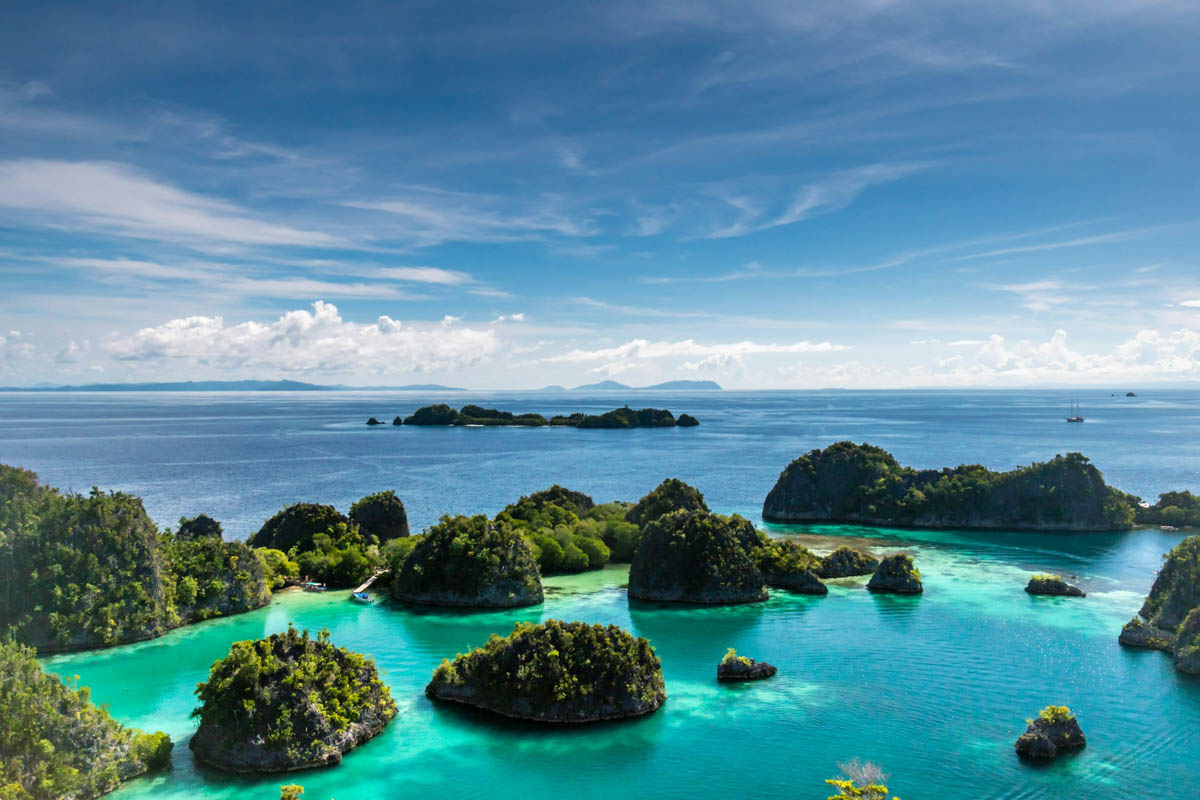
Remote and pristine, Raja Ampat is Indonesia’s crown jewel. Its reefs host more coral and fish species than anywhere else on the planet. Most divers explore the region by liveaboard, venturing into far-flung lagoons and island channels where few others have dived before.
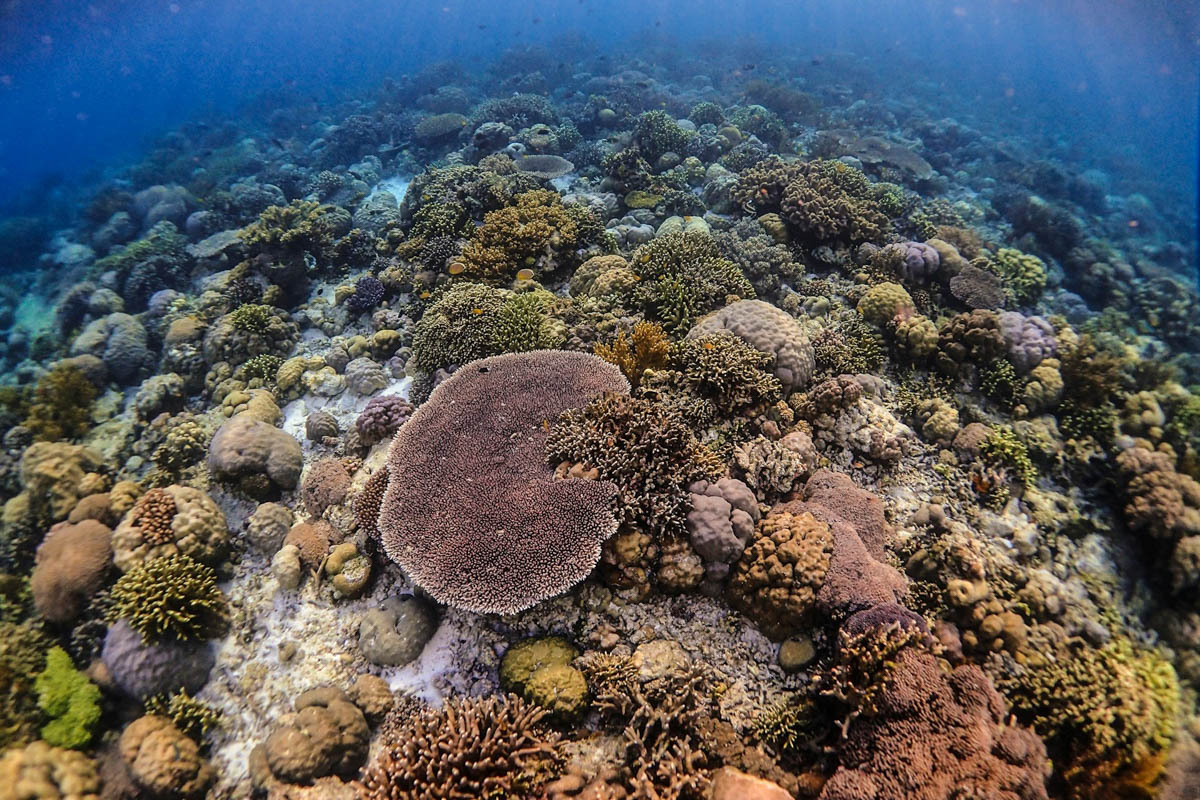
Photo by Benjamin L. Jones on Unsplash
Sulawesi and Lembeh
Sulawesi’s diversity is staggering: Bunaken’s coral walls, Wakatobi’s pristine reefs, and Lembeh’s world-renowned muck sites. It’s where macro photographers and explorers alike find their paradise.

Why Indonesia Belongs on Every Diver’s List
Nowhere else offers such biodiversity, variety, and cultural depth in one destination. Whether you’re after thrilling currents, gentle coral gardens, or once-in-a-lifetime marine encounters, Indonesia delivers them all.
Above and below the waterline, it remains a place that humbles and inspires – a reminder of how powerful, delicate, and endlessly fascinating our oceans truly are.
Want To Know More?
The Scuba News Travel Team carefully select from hundreds of liveaboard travel operators and excursion providers around the world. If you find a good deal at The Scuba News and make a booking, we may receive a small commission. This, however does not affect the price you pay.Any prices listed are correct at time of publishing
Comments