



Authorities in Florida are appealing for witnesses after a 31-year-old American Airlines flight attendant was found dead on a beach following what investigators believe was a fatal vessel strike while she was snorkelling or diving.
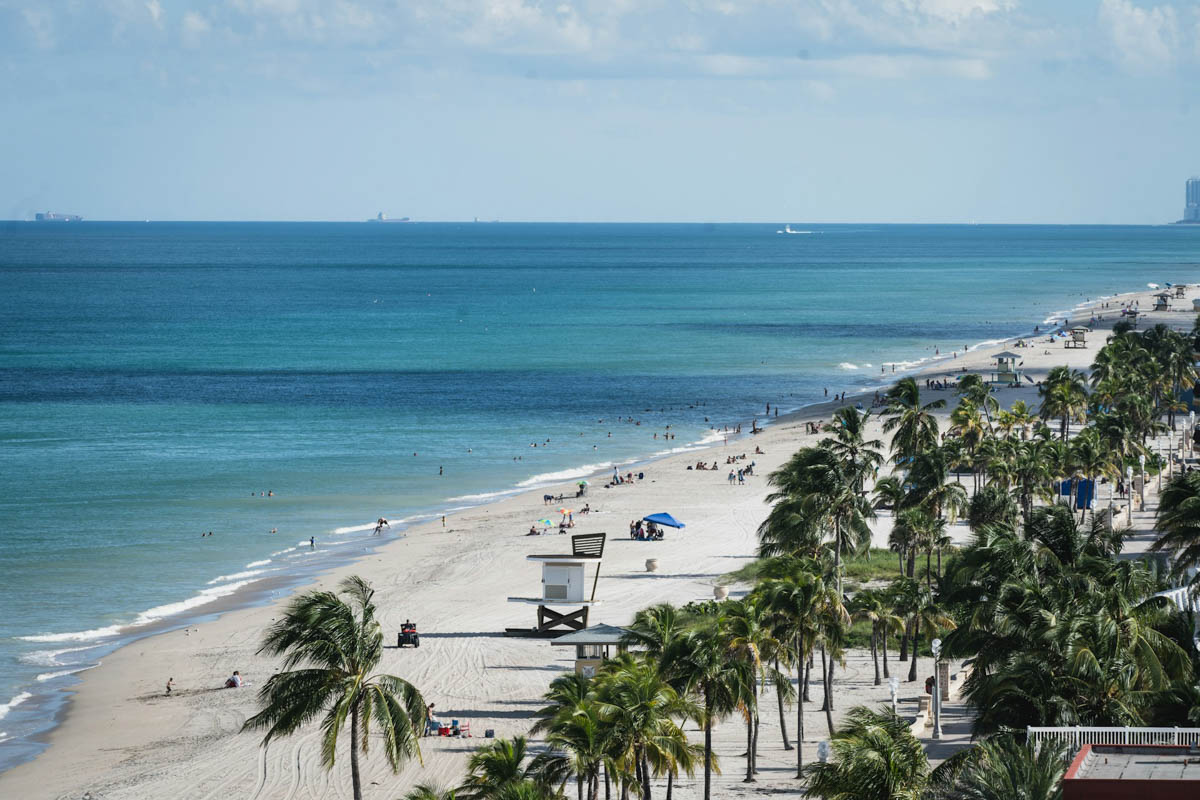
Kellie Melinda Williams was discovered in the surf near Hollywood Beach, Florida, on the evening of 3 June after two fishermen spotted her body and alerted authorities. Investigators from the Florida Fish and Wildlife Conservation Commission (FWC) later determined that her injuries were consistent with a vessel strike.
According to investigators, Williams had been snorkelling or diving earlier that day in waters near Dr. Von D. Mizell-Eula Johnson State Park, a popular coastal area south of Fort Lauderdale. Authorities believe she was struck while in the water before her body drifted several miles north to where it was eventually discovered.
The Broward Medical Examiner’s Office ruled her death the result of blunt force injuries. Officials have not identified the vessel involved, nor have any charges been filed as the investigation remains active.
Witness Emilio Benitez told local media he observed two fishermen pulling something from the water before realising it was a body. The discovery prompted a major emergency response along the beach.
Williams, originally from California, had recently moved to South Florida and had married within the past year. Family members described her as an experienced snorkeller who loved spending time in the ocean. She worked as a flight attendant for American Airlines based in Miami.
In a statement released following her death, American Airlines said it was “deeply saddened” by the loss of its colleague and extended condolences to her family, loved ones and fellow crew members.
The FWC is leading the investigation alongside the Hollywood Police Department and has urged anyone who witnessed the incident or has information about vessel activity in the area on 3 June to come forward.
A Reminder of the Risks Facing Divers and Snorkellers
While details of this case are still emerging, the incident highlights an ongoing safety concern for divers and snorkellers operating in areas shared with recreational and commercial boat traffic.
Vessel strikes remain one of the most serious hazards faced by people in the water, particularly in busy coastal regions where visibility can be limited and operators may be unaware of divers below the surface. The use of surface marker buoys, dive flags and careful site selection are widely regarded as essential safety measures, although even experienced water users can remain vulnerable when vessels fail to see them.
Investigators have not yet released details explaining exactly how the collision occurred, and it remains unclear whether the vessel operator involved was aware of the incident.
As authorities continue their search for answers, the diving and snorkelling community will be watching closely for further information about the circumstances that led to Williams’ death.
Why This Story Matters to Divers
This is not simply a local tragedy. For divers and snorkellers worldwide, it serves as a stark reminder that interactions with vessel traffic remain one of the most difficult risks to control once in the water. Every fatal incident contributes to a wider conversation about diver visibility, boater awareness, enforcement and education.
As the investigation progresses, any findings regarding vessel identification, operating practices or environmental conditions could provide important lessons for the wider diving community.
Comments