



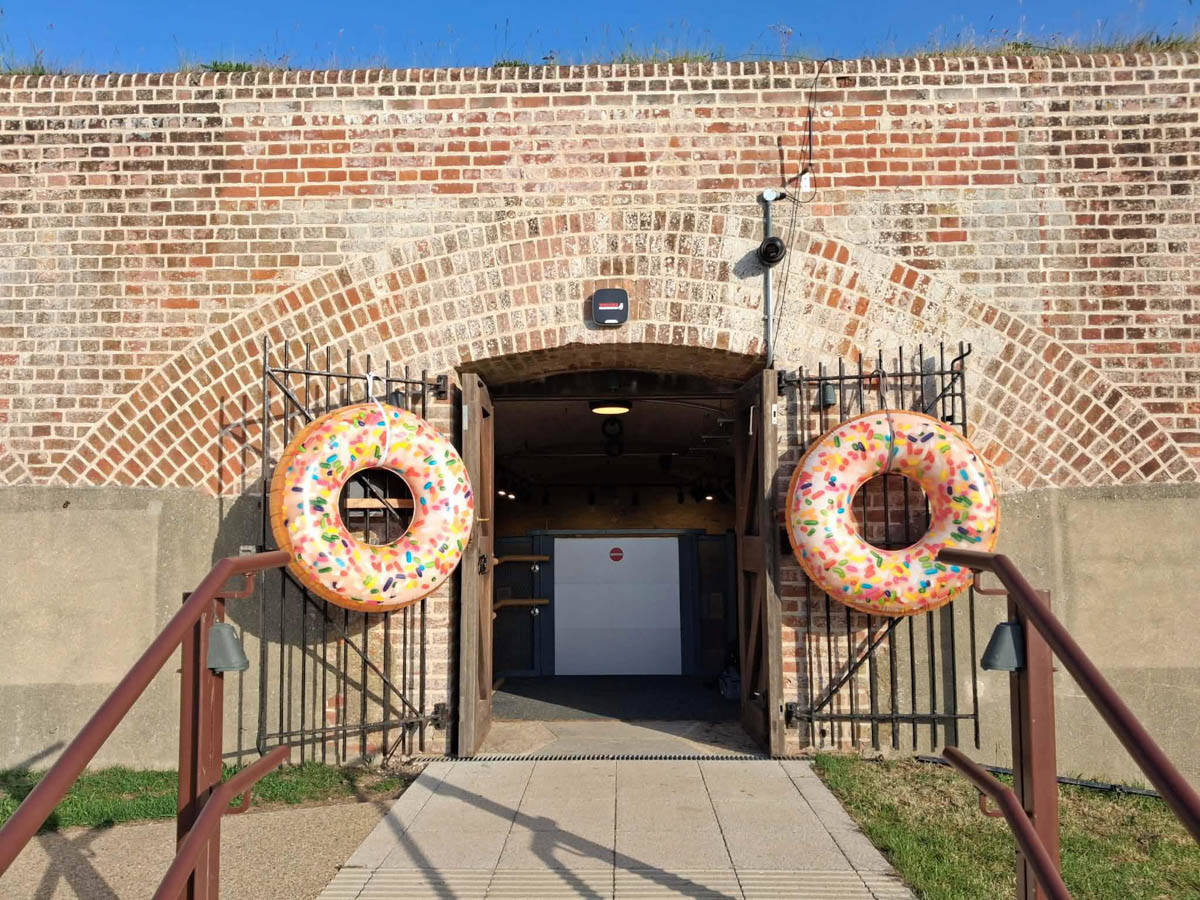

The UK’s only museum dedicated entirely to diving history has reopened its doors following an extensive restoration and refurbishment project, marking a significant moment for the preservation of Britain’s underwater heritage.
Located within the historic No. 2 Battery at Stokes Bay in Gosport, Hampshire, the Diving Museum has welcomed visitors back after a lengthy closure that allowed vital work to be carried out on both the Grade II* listed building and the museum’s exhibition spaces.

The reopening represents the culmination of years of planning and fundraising led by the Historical Diving Society, which owns and operates the museum. The project was designed not only to safeguard the historic structure for future generations but also to improve the visitor experience and expand opportunities to showcase the museum’s unique collection of diving artefacts.

For divers, historians and maritime enthusiasts alike, the museum offers a rare opportunity to explore the evolution of underwater exploration, military diving, commercial diving and recreational scuba diving through a collection that spans centuries of innovation.
Among the exhibits are historic diving helmets, early breathing apparatus, underwater photography equipment, military diving artefacts and stories from pioneering divers whose work helped shape the industry we know today.

The museum’s home at No. 2 Battery is itself an important piece of Britain’s coastal defence history. Built in the nineteenth century as part of Portsmouth Harbour’s defensive network, the site provides a fitting backdrop for a collection dedicated to the development of diving technology and underwater operations.
Prior to the closure, the museum faced ongoing challenges associated with maintaining and preserving artefacts within the historic waterfront building. The refurbishment project has helped address many of those concerns while creating improved exhibition areas and visitor facilities.
The reopening comes at a time when interest in diving heritage continues to grow. While many divers are familiar with the latest equipment and technology, museums such as this offer a valuable reminder of how far the sport and profession have evolved. From cumbersome surface-supplied helmets weighing tens of kilograms to the lightweight scuba systems used today, the story of diving is one of constant innovation driven by human curiosity and determination.
For younger divers, the museum provides a tangible connection to the pioneers who explored the underwater world long before modern computers, buoyancy compensators and advanced breathing gas systems became commonplace. For veteran divers, it offers a chance to revisit equipment and techniques that played an important role in the sport’s development.
As visitors return to the museum, the reopening also highlights the importance of preserving diving history at a time when many specialist collections around the world face increasing financial and logistical challenges.
The Diving Museum remains a unique resource within the UK diving community and a reminder that the history of underwater exploration deserves to be protected alongside the oceans and waterways that continue to inspire divers today.
With the doors now open once again, a new generation of visitors can discover the stories, equipment and innovations that helped humanity venture beneath the surface.
Why This Matters to Divers
Diving is often focused on the next adventure, the next destination or the latest technology. Yet understanding where the sport came from provides valuable context for where it is heading.
Museums like Gosport’s Diving Museum preserve the achievements of explorers, engineers, military personnel, commercial divers and recreational pioneers whose contributions helped make modern diving safer and more accessible. Their stories continue to inspire the diving community and remind us that every descent builds upon generations of innovation.
Comments