



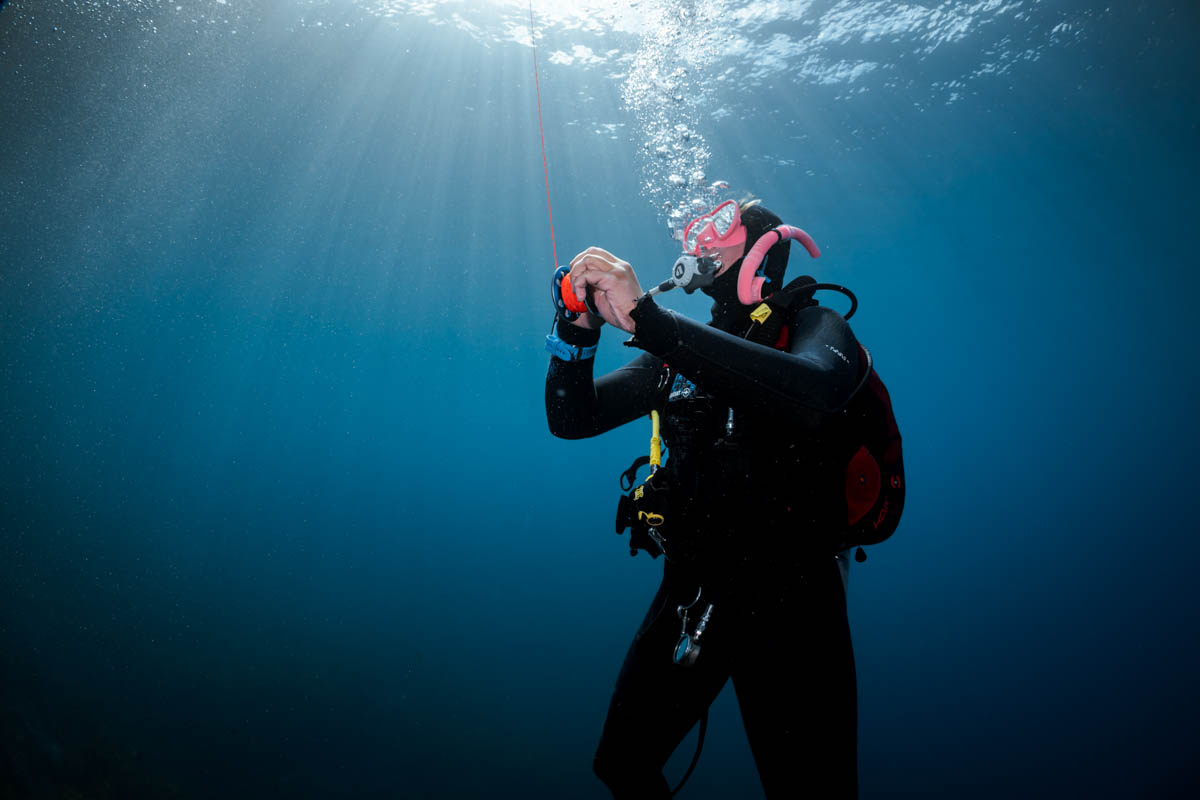

The PADI Foundation has announced a significant increase in funding available through its 2027 research grant programme, with eligible diving physiology and diver safety projects now able to receive up to USD $15,000 in support.
The announcement marks an expansion of the Foundation’s long-running commitment to advancing scientific knowledge related to both the underwater environment and the physiological effects of diving on the human body.
Researchers, post-doctoral candidates, graduate students, medical professionals and scientists from around the world are being encouraged to submit proposals focused on diving physiology, freediving, scuba diving and diver safety. Applications for the 2027 funding cycle will open on 1 November 2026 and close on 15 January 2027.
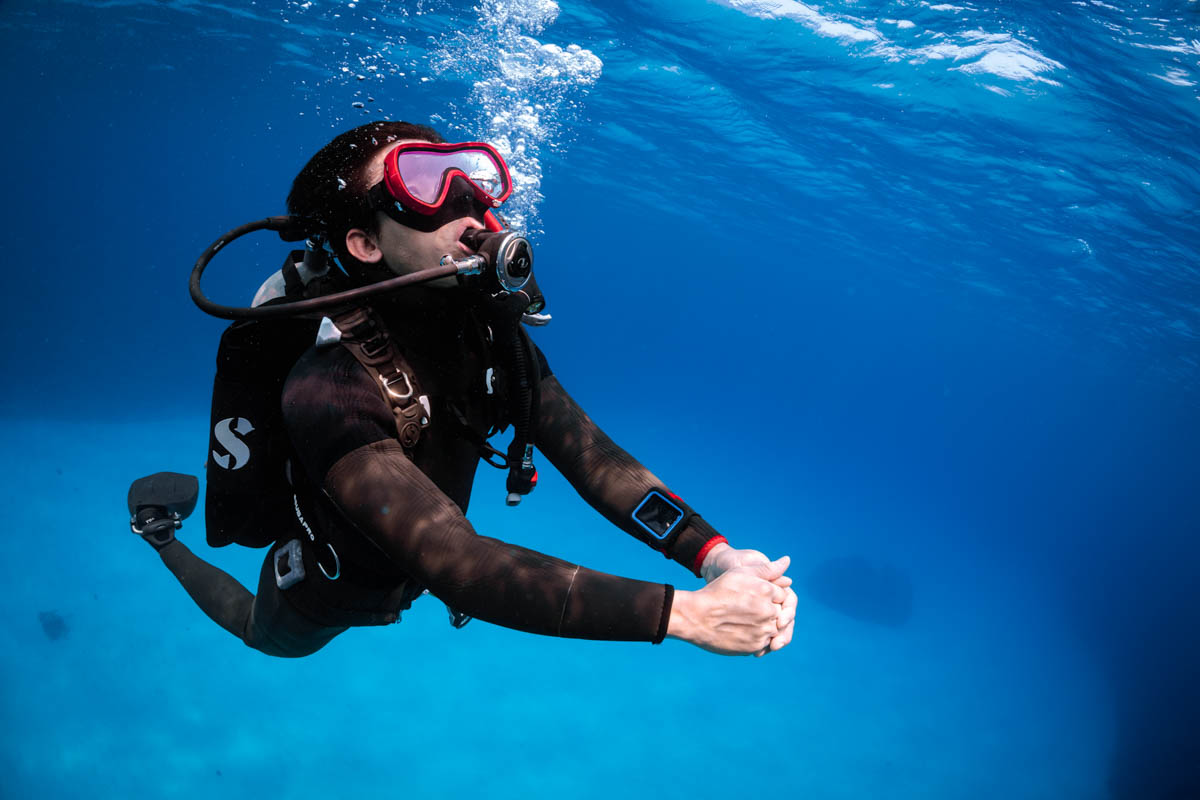
Founded in 1992, the PADI Foundation has become one of the most recognisable funding bodies supporting diving-related science and marine research. Over the past three decades, it has awarded more than USD $5.9 million to 1,389 projects worldwide, helping researchers investigate marine ecosystems, human performance underwater and challenges facing aquatic environments.
According to the Foundation, the annual grants programme is designed to support projects that provide tangible benefits to the global diving community while expanding scientific understanding of humanity’s relationship with the underwater world.
For the 2027 cycle, particular emphasis will be placed on projects that improve knowledge of diving physiology and diver safety. Both scuba diving and freediving research proposals are eligible for consideration.
The Foundation says the funding increase is intended to encourage more robust scientific studies that expand the database of known outcomes related to dive safety and the effects of pressure on the human body.
Dr. Drew Richardson, President and CEO of PADI Worldwide, highlighted the importance of continued investment in diving research.
“For more than three decades, the PADI Foundation has helped drive discoveries that make diving safer, deepen our understanding of the underwater world, and inspire future generations to conduct research study related to the pathophysiology and the effects of pressure on humans in addition to marine conservation projects.”
He added:
“By investing in diving physiology and safety research, the Foundation supports work expanding the boundaries of human knowledge underwater while delivering practical safety benefits to divers around the world.”
While proposals with budgets up to USD $15,000 will be considered, the Foundation notes that most grants historically fall within the USD $5,000 to USD $10,000 range. Applications requesting more than USD $12,000 may receive special consideration when they focus on diving physiology or diver safety research.
The Foundation also notes that grant funding is generally not available for overhead expenses, indirect costs, salaries, dive training programmes or standard diving equipment.
Researchers interested in applying can find full eligibility requirements, application guidance and details of previously funded projects through the PADI Foundation’s website. All submissions must be completed using the Foundation’s online Common Grant Application platform.
As scientific understanding of diving physiology continues to evolve, the increased funding represents another opportunity to support research that could improve diver safety, advance medical knowledge and enhance our understanding of how humans interact with the underwater environment.
For more information about the 2027 grant programme, application requirements and funding criteria, visit the PADI Foundation website.
Comments