





In March 2006, music legend Paul McCartney and his then-wife Heather Mills traveled to Canada to launch a high-profile campaign against the commercial seal hunt. This visit stood as their primary direct intervention on Canadian soil regarding the controversial practice. The couple began their journey with a formal press conference in Charlottetown, where they expressed their opposition to the hunt while attempting to acknowledge the economic realities of the region.
Following their media appearance, the pair traveled by helicopter to the ice floes located near the Iles de la Madeleine, situated roughly 160 kilometers northeast of Prince Edward Island. During this excursion, they were famously photographed alongside seal pups to draw international attention to the animals’ plight. Despite the tension their presence caused among local industry workers, McCartney emphasized to the Canadian Press that their goal was to end the hunt without causing undue hardship to the local population.
The visit by Paul and Heather McCartney triggered a swift and sharp defense from both government officials and the sealing industry, who viewed the protest as a misinformed “celebrity circus.” Danny Williams, the then-Premier of Newfoundland and Labrador, was particularly vocal, accusing the couple of being puppets for well-funded animal rights organizations. He famously engaged the McCartneys in a heated debate on CNN’s Larry King Live, where he challenged their claims that seals were primarily clubbed and argued that 90% were actually killed by rifles. Williams emphasized that the seal population had tripled since the 1970s and that the hunt was a vital economic lifeline for rural families.

The federal government and local industry representatives also dismissed the protest as a “propaganda campaign” that relied on emotional optics rather than scientific data. Officials from the Department of Fisheries and Oceans pointed out that the “whitecoat” seal pups the McCartneys were photographed with had been legally protected from hunting since 1987. Meanwhile, local sealers and members of the Canadian Sealers Association expressed frustration, noting that while the images of blood on ice were “unpleasant,” the hunt was a 500-year-old tradition that was both sustainable and humane. They argued that the musicians’ push for ecotourism was an unrealistic substitute for the immediate income provided by the hunt.
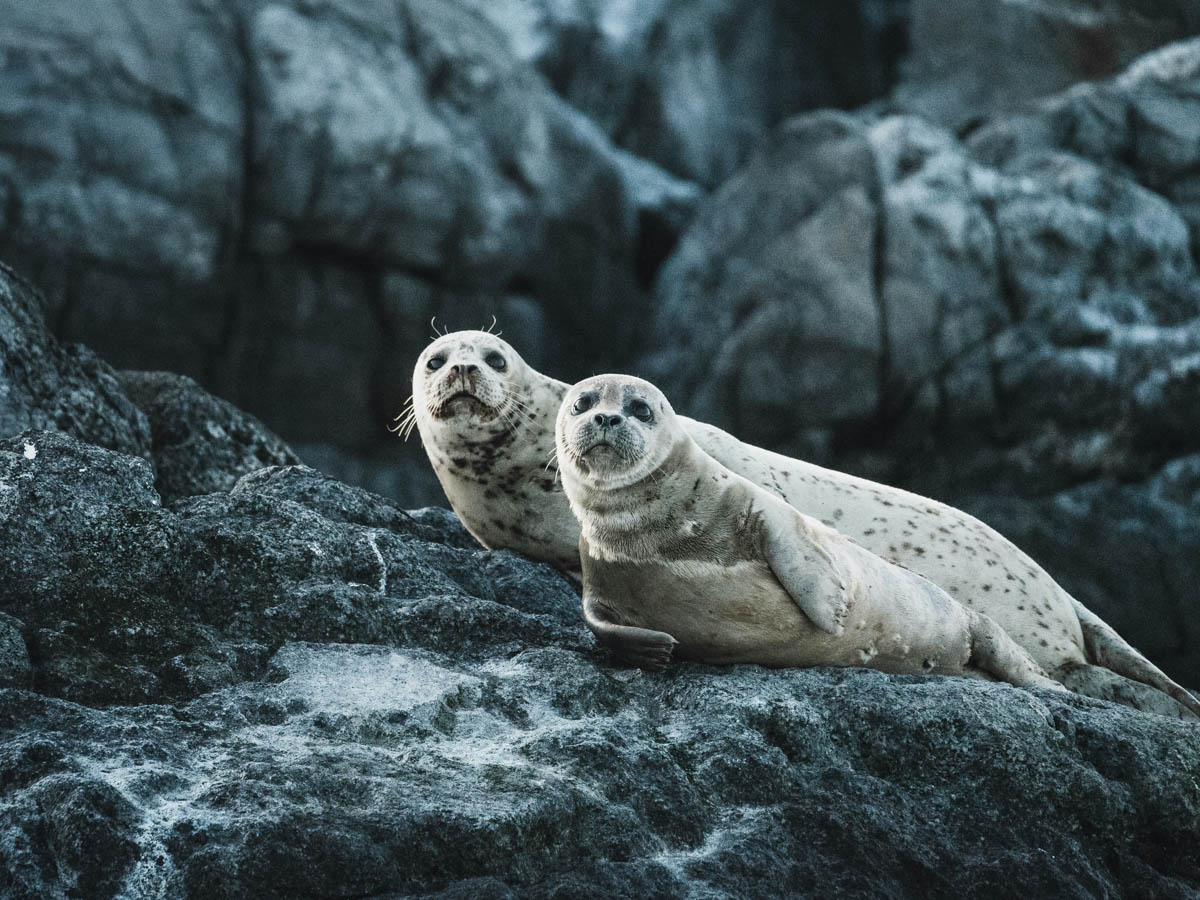
Indigenous leaders added another layer of criticism, stating that international campaigns against the commercial hunt inadvertently harmed the livelihoods and reputations of Inuit hunters. Sheila Watt-Cloutier, then-Chair of the Inuit Circumpolar Conference, called the McCartneys’ actions “disrespectful to wildlife” and “silly,” arguing that treating seals as pets ignored their role as a critical food source and cultural cornerstone in the North. This collective pushback framed the McCartney visit not as a heroic intervention, but as a clash between high-profile activism and the complex economic and cultural realities of Atlantic Canada.
Experts Agree: The Seal Hunt is Inhumane
For several decades, the animal welfare standards of Canada’s commercial seal hunt have faced intense examination from the veterinary community, yet evaluations have consistently failed to categorize the practice as humane. Critics point out that despite fifty years of oversight, independent experts have struggled to find evidence that the hunt meets acceptable slaughter standards. A significant 2007 analysis by Dr. Mary Richardson, a specialist in humane slaughter, argued that the hunt is fundamentally cruel by design. Her findings suggested that the volatile maritime environment and the rapid pace required to kill the animals make it impossible to ensure a painless death.
Seal Products in Canada
The harvest of seals provides a diverse array of raw materials that are manufactured into numerous consumer goods, ranging from high-end fashion to essential winter gear. Because sealskin is naturally water-resistant and exceptionally insulating, it is frequently utilized to create durable coats, boots, gloves, and hats. These characteristics make the material particularly valuable for residents of Canada’s northern territories, where extreme weather conditions demand high-performance, sustainable clothing.
In addition to textiles, the animal serves as a significant source of nutrition for various populations. Seal meat is prepared in numerous ways for both human and animal diets, remaining a foundational staple of the Inuit diet and a traditional culinary fixture for many coastal towns in Atlantic Canada. This utilization ensures that the animal is treated as a multifaceted resource rather than being harvested for a single purpose.
Furthermore, seal oil has found a modern market as a primary ingredient in Omega-3 supplements sold globally for their health benefits. Beyond these commercial applications, the oil maintains its historical importance in the North, where it continues to be used as a source of fuel within Inuit communities. This comprehensive use of the animal reflects a long-standing practice of maximizing a natural, renewable resource.
In the two decades following high-profile protests like the one led by the McCartneys, the Canadian seal hunt has undergone a profound transformation, evolving from a major international industry into a fraction of its former self. While the federal government continues to defend the harvest as a sustainable and humane practice, the global market has largely evaporated. As of 2026, many of Canada’s former top export partners, including the United States, Mexico, and the European Union, maintain strict bans on seal products. These trade restrictions, upheld by World Trade Organization rulings on the basis of “public moral concerns,” have caused the number of active sealers to plummet from several thousand to fewer than 500 in recent years.
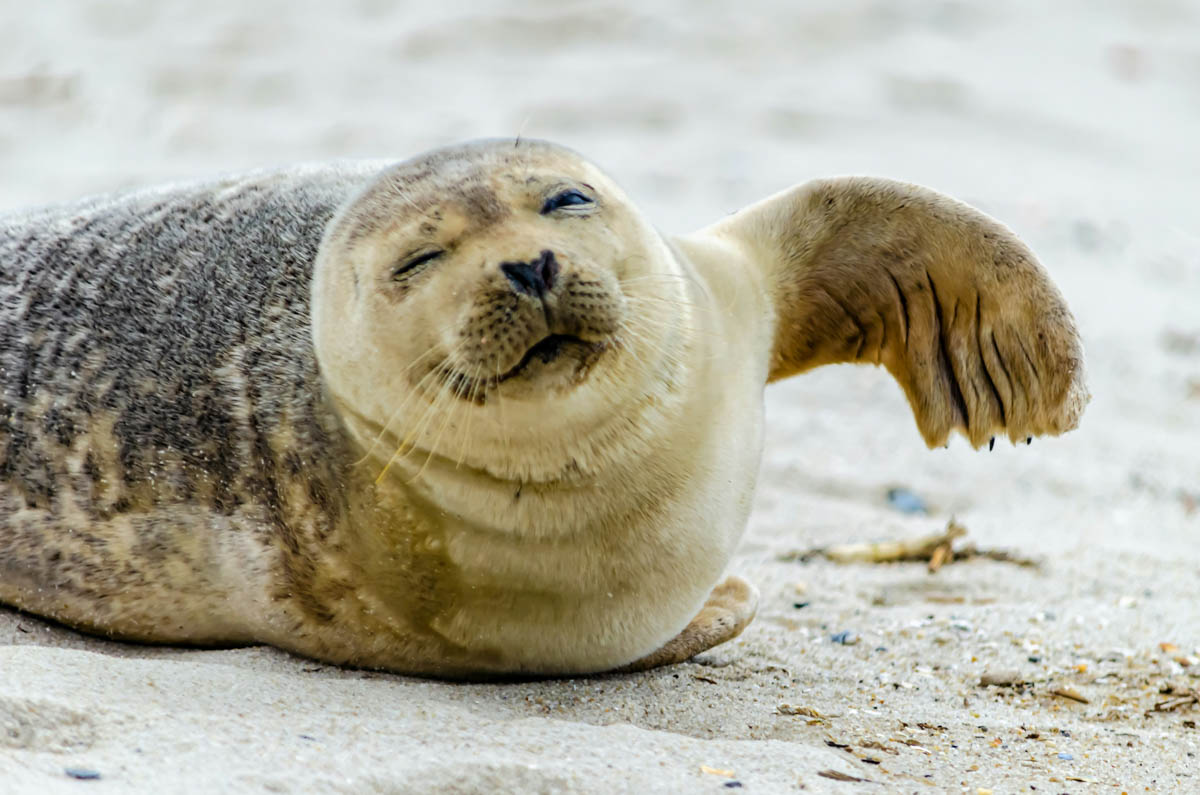
Despite the commercial decline, the debate remains alive in Atlantic Canada and the North, shifting focus toward ecological management and cultural rights. In Newfoundland and Labrador, local fish harvesters frequently call for a renewed hunt or a strategic cull, arguing that an overabundant seal population—estimated at over 4 million harp seals in 2024—is hindering the recovery of vital cod stocks. Meanwhile, Indigenous leaders and Arctic communities continue to emphasize that seal hunting is an essential component of food security and cultural identity, successfully securing exemptions in some international trade laws to allow for the sale of Inuit-certified products.
Today, the hunt is managed through highly restricted seasons and modern “humane harvesting” training programs overseen by Fisheries and Oceans Canada. Even with these regulations, the industry’s future remains uncertain, caught between the economic needs of coastal communities and a global consumer base that remains largely unreceptive to seal-derived goods. The legacy of the 2006 protest serves as a pivotal moment in this history, marking the point when the power of international celebrity and animal welfare advocacy began to permanently reshape the economic landscape of the Canadian East Coast.
Comments