
A dive centre in West Sussex is pioneering a unique approach to education, using scuba diving and marine exploration to help young people with special educational needs rediscover confidence and engagement with learning.
At Abyss Scuba School, a PADI 5 Star dive centre based at Littlehampton Marina in the UK, an innovative Independent Alternative Provision programme is combining structured diving activities with coastal learning to support students who struggle in mainstream education.
The initiative is believed to be the only scuba-based alternative provision programme of its kind in the UK, and possibly the world.
Alternative Provision programmes are designed to support children and young people who cannot access traditional schooling, often due to conditions such as autism, ADHD, social, emotional and mental health needs, anxiety or severe school avoidance.
At Abyss Scuba School, the programme takes a different approach by placing the underwater environment at the centre of the learning experience.
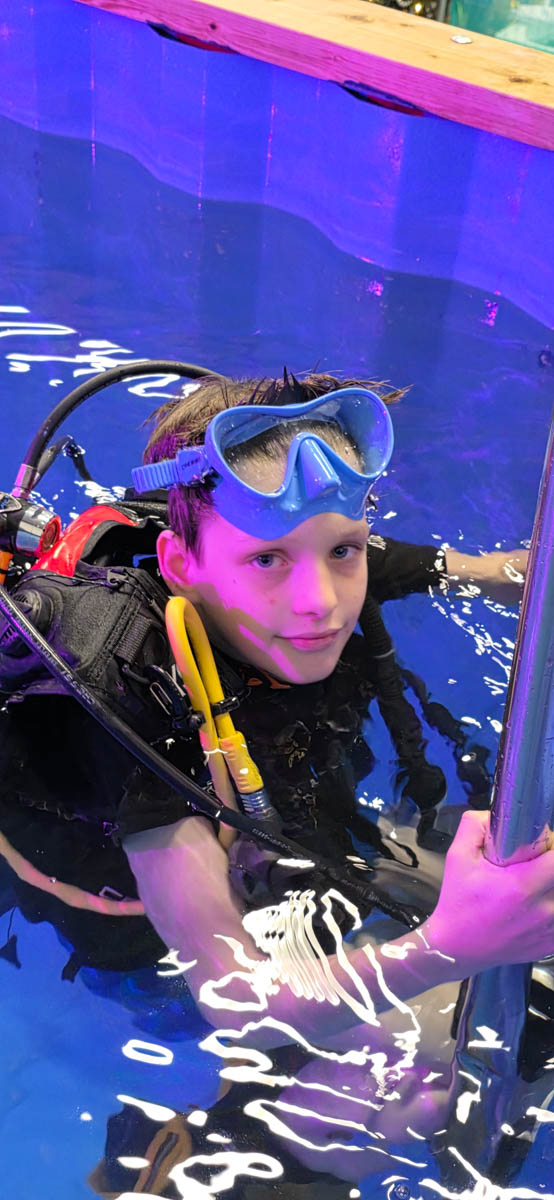
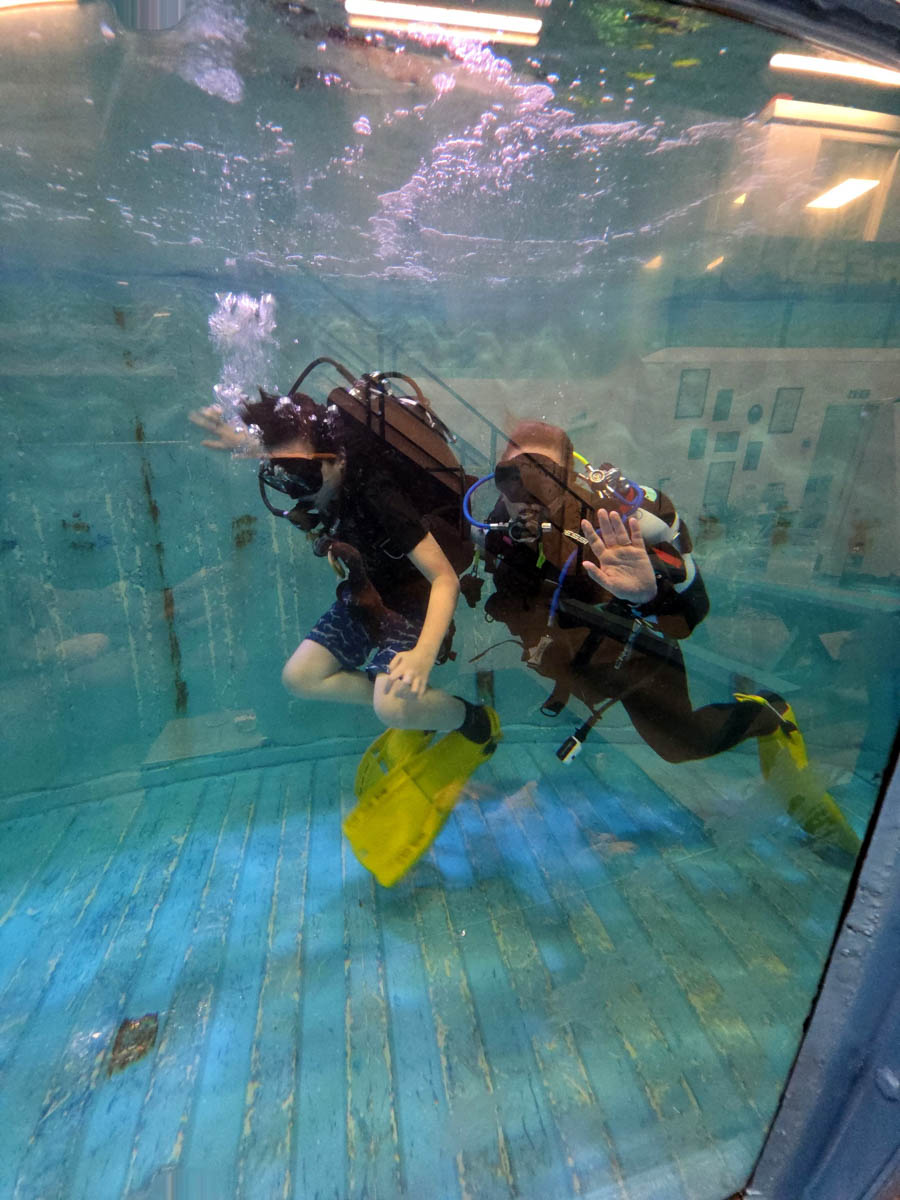
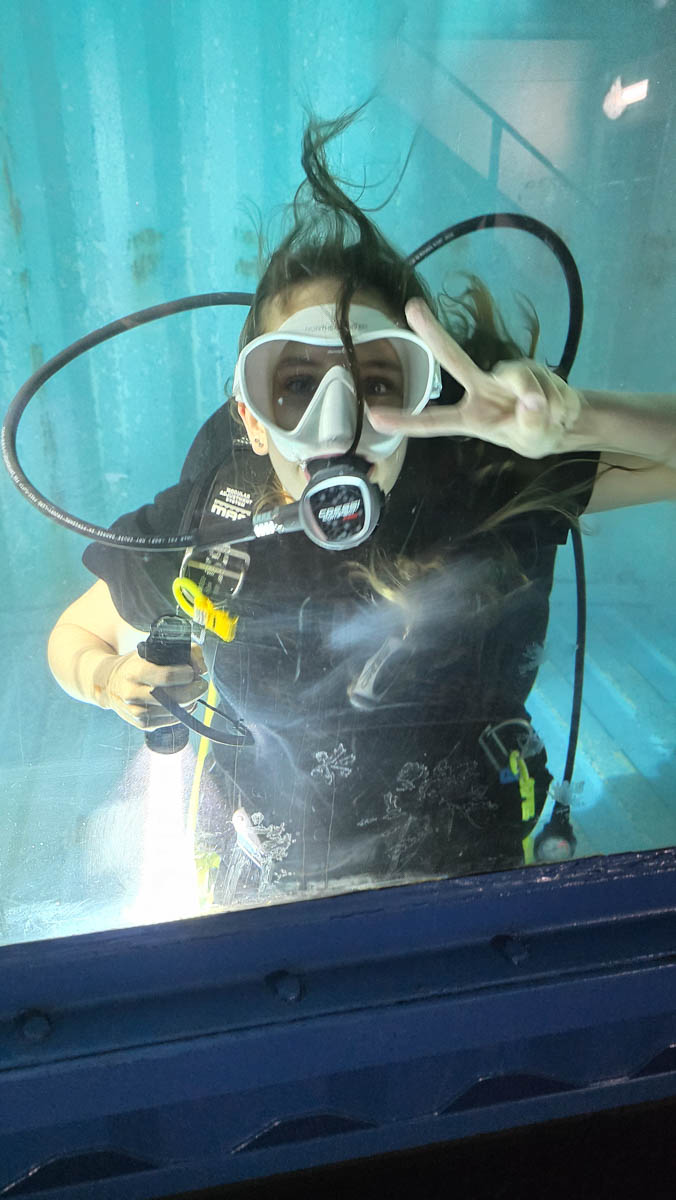
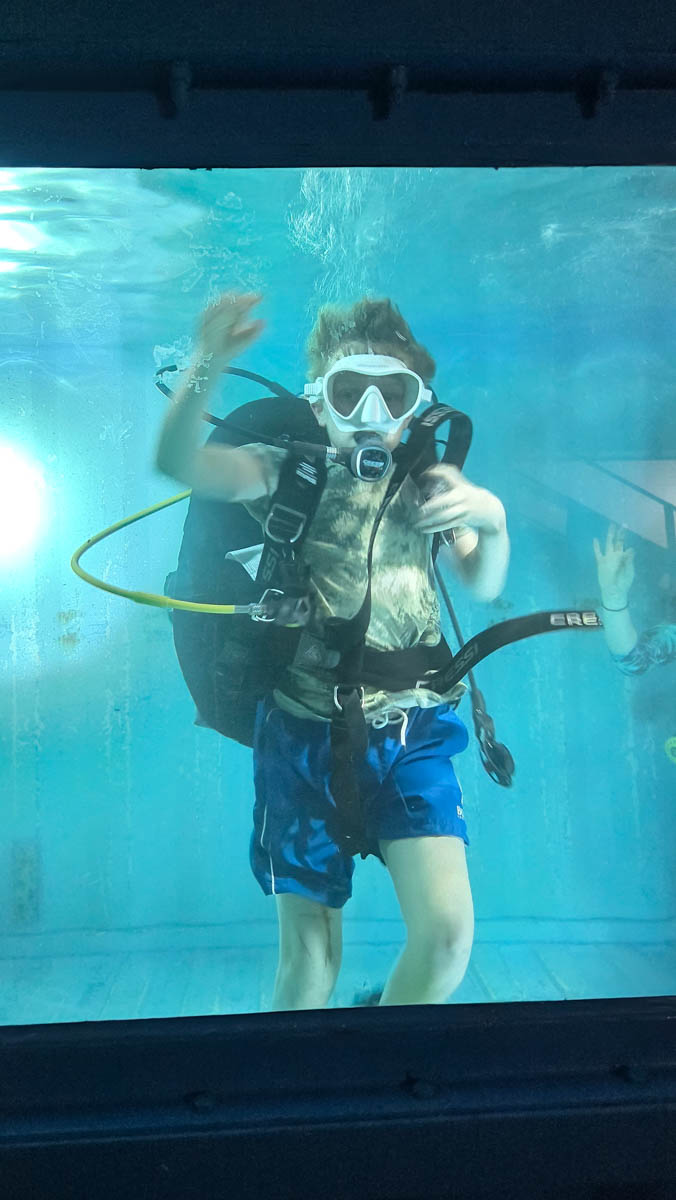
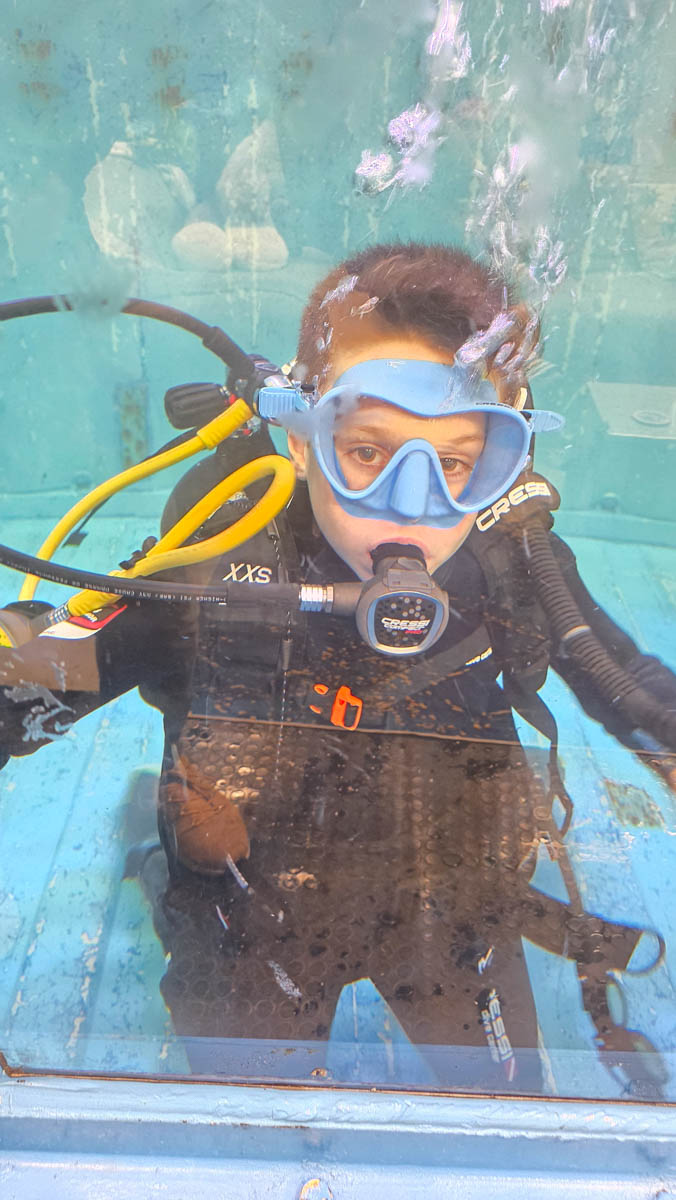
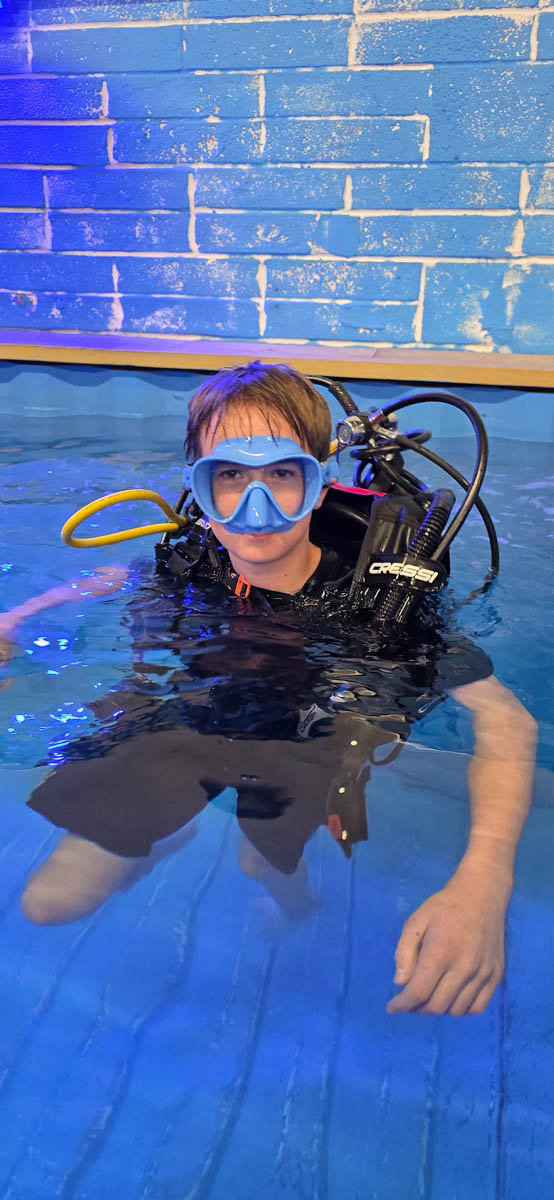
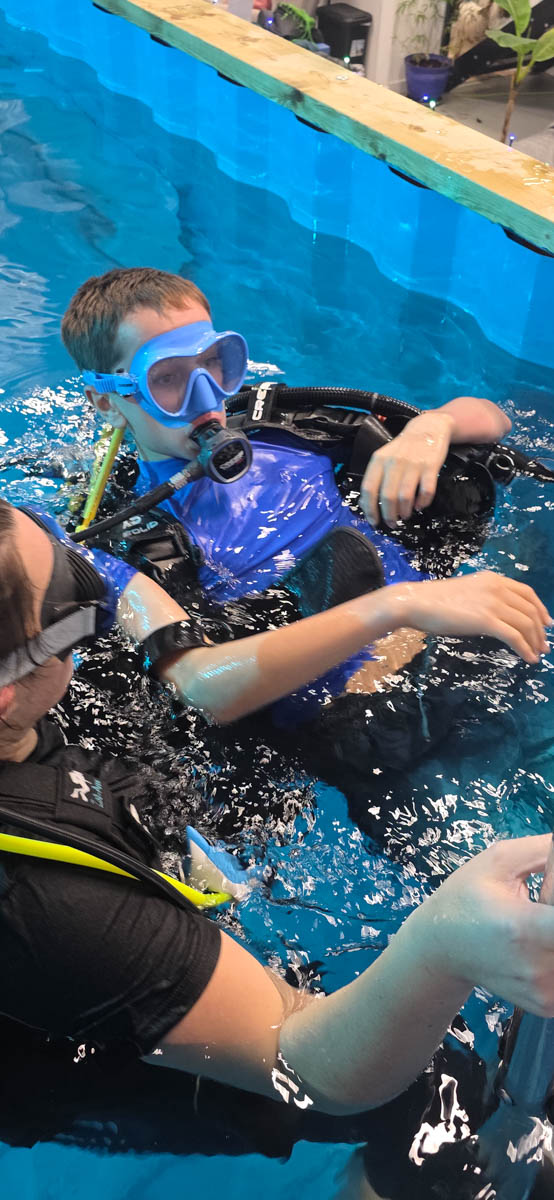
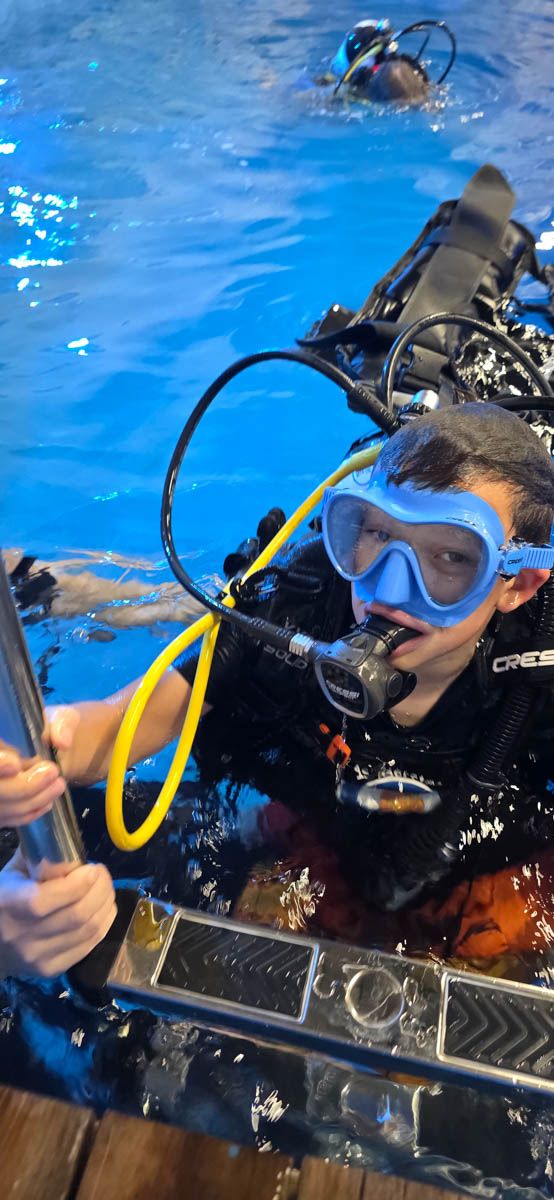
Participants take part in heated indoor pool sessions where they begin with snorkelling and water confidence exercises before progressing, when appropriate, to introductory scuba skills and buoyancy control. The sessions are designed not only to teach diving fundamentals but also to help students develop emotional regulation in a calm and controlled environment.
Alongside pool-based training, learners also take part in coastal exploration around Littlehampton West Beach. Activities such as beach walks, rock pooling and marine observation introduce elements of environmental awareness while providing practical opportunities to explore science, navigation and risk assessment in real-world settings.
The programme operates with small learning groups and a strong focus on relationships, typically maintaining a ratio of one adult to four students to ensure consistent support and a calm atmosphere.
According to the programme’s organisers, the underwater environment often has a profound effect on the students involved.
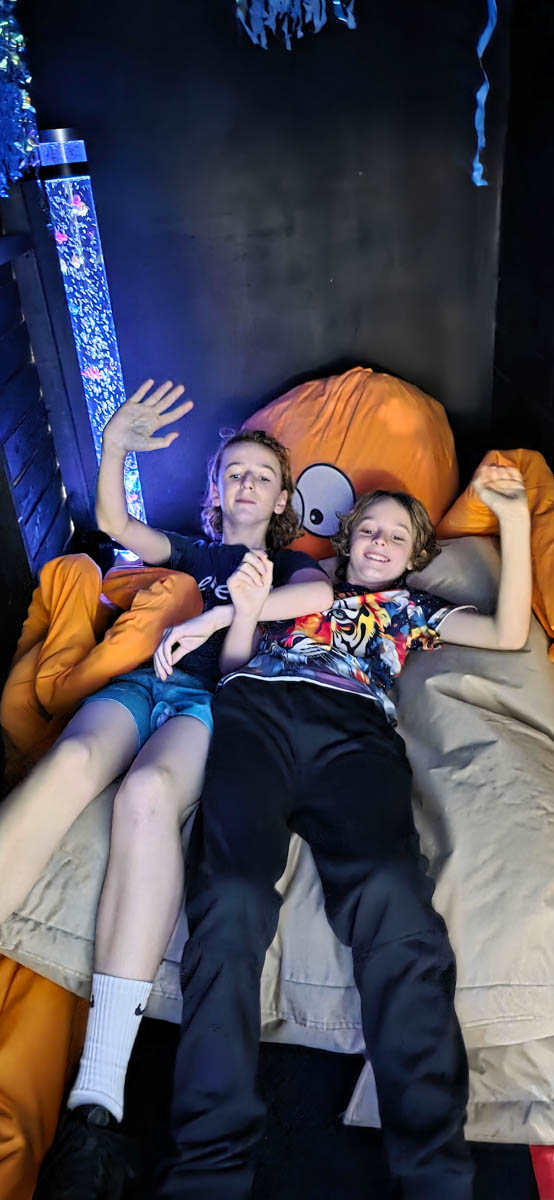
For many participants, being underwater provides a rare sense of calm and control. Some students describe it as the first place they have ever felt peaceful or successful in a learning environment.
Educators involved in the programme report measurable improvements in confidence, communication and emotional regulation, outcomes that extend well beyond recreational diving skills.
The initiative is also driven by personal experience. The programme’s leadership explains that the concept emerged from recognising how many neurodivergent children struggle within conventional classroom environments and the need for alternative spaces where they can succeed.
Interest in the programme has been growing steadily, with schools and families across West Sussex increasingly making enquiries about placements.
While scuba diving is often associated with adventure tourism, the programme demonstrates how the underwater world can also play a role in education, wellbeing and personal development.
As awareness grows around the mental health benefits of time in water and nature, projects like this may offer a glimpse of how diving could support new forms of learning beyond traditional training pathways.