



To most divers, fish appear as mobile, transient residents of the reef, constantly on the move, rarely tied to a single place. Spend enough time underwater, however, and a different reality reveals itself. Across coral reefs, sandy plains, seagrass meadows, and even the deep sea, many fish do not merely occupy space, they actively design it. These animals dig, sculpt, farm, glue, and guard structures that function as homes, nurseries, refuges, and even mating displays.
Marine scientists increasingly describe these species as ecosystem engineers, organisms that physically modify their environment in ways that shape entire habitats. According to research published by the National Oceanic and Atmospheric Administration, such engineers can influence sediment movement, biodiversity, and reef resilience, a concept that reframes fish not just as inhabitants of marine ecosystems, but as architects of them.
Builders of Sand and Stone
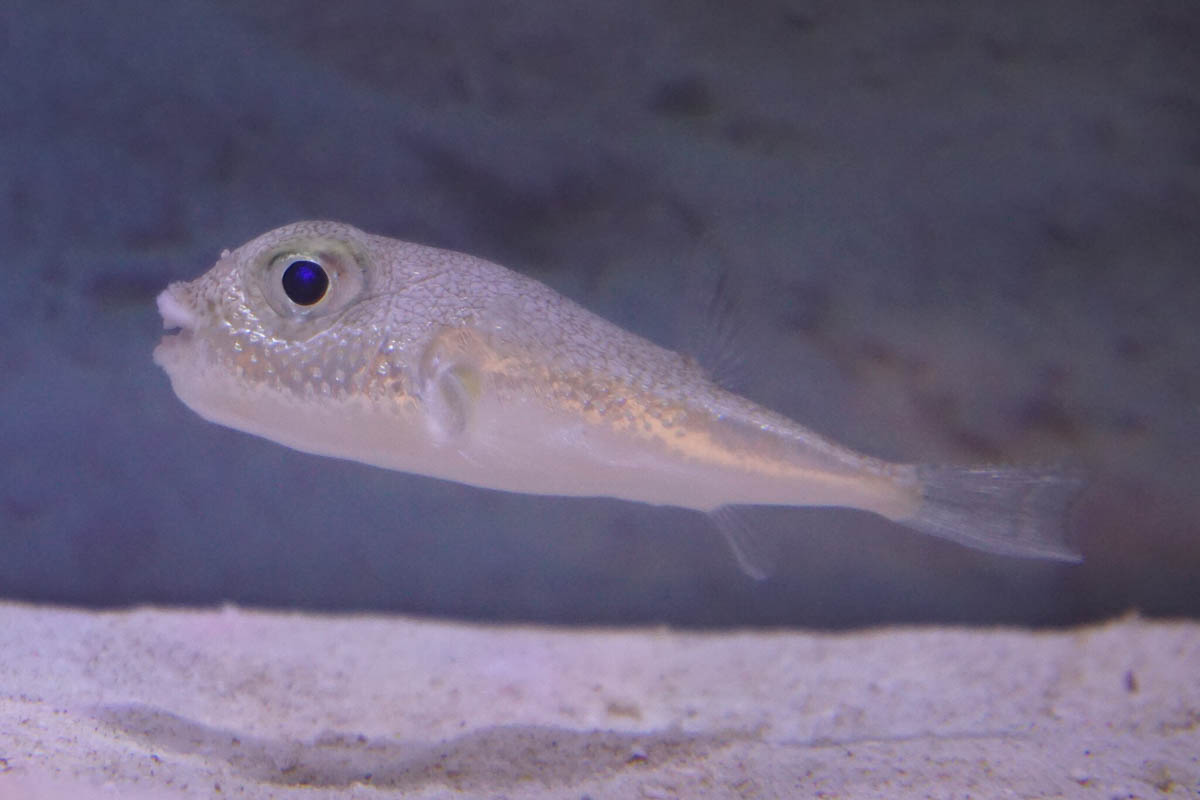
One of the most striking examples of fish architecture lies on the sandy seabed off southern Japan, where male white-spotted pufferfish create vast circular structures etched into the sediment. First documented in detail by researchers writing in Scientific Reports, these nests can reach two metres across and are composed of carefully arranged ridges and valleys that channel fine sand toward a central courtship zone.
The precision is extraordinary. Grain size, symmetry, and current flow all matter, and females appear to select mates based on the quality of these constructions. The nest is not a shelter in the traditional sense, but a temporary architectural masterpiece, built solely to demonstrate fitness through design.
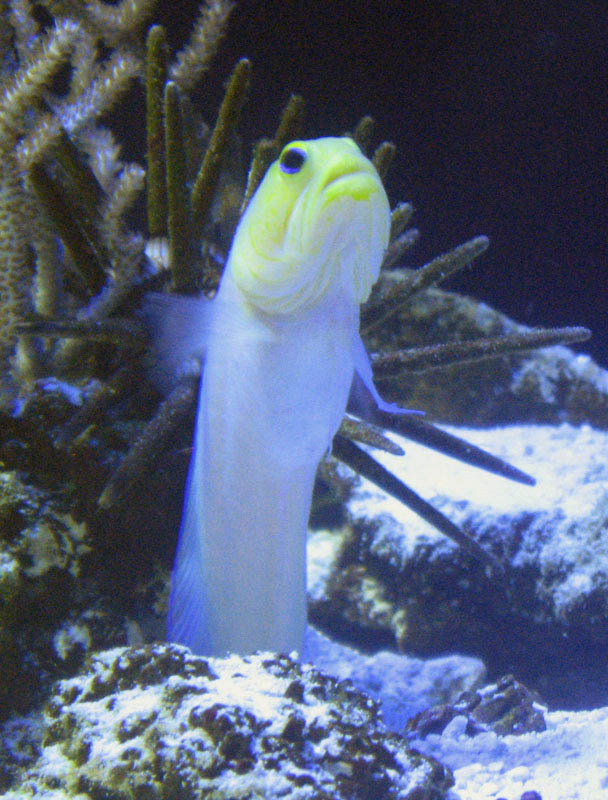
Other fish use sand and rubble more pragmatically. Jawfish excavate vertical burrows reinforced with coral fragments and shells, while garden eels anchor themselves in mucus-lined tubes, retreating instantly when threatened. Studies summarised by the Smithsonian National Museum of Natural History highlight how these burrows stabilise loose sediment, reducing erosion and creating microhabitats for smaller invertebrates.
Coral Architects and Algal Farmers
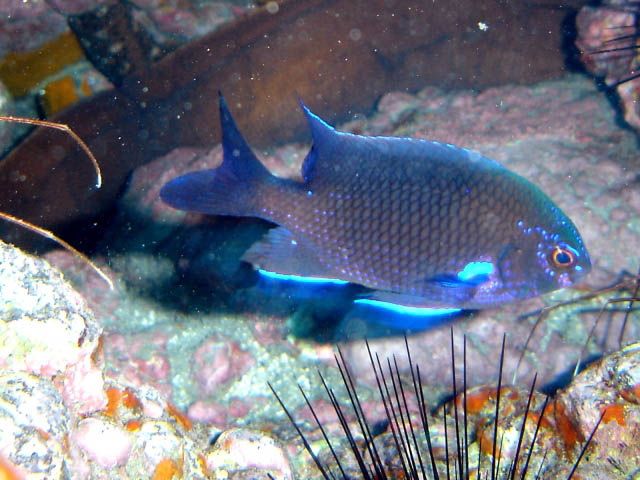
Not all fish construction involves digging. On coral reefs, damselfish actively cultivate patches of algae, biting away unwanted species and aggressively defending their “gardens” from intruders. Marine ecologists have shown through long-term reef studies published by Nature Reviews Ecology & Evolution that these farms alter coral growth patterns and influence which species dominate a reef section.
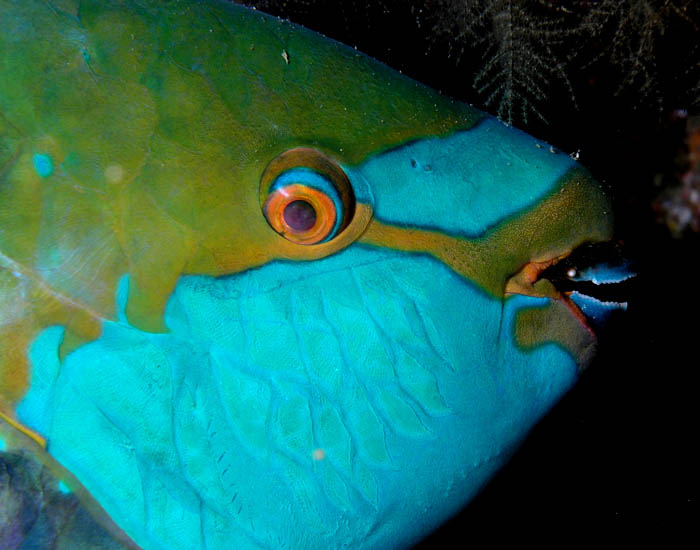
Parrotfish, by contrast, reshape reefs through destruction rather than cultivation. Their powerful beaks scrape algae from coral, producing fine sand as a by-product. Research cited by the Australian Institute of Marine Science demonstrates that a single large parrotfish can generate hundreds of kilograms of sand each year, contributing directly to the formation of tropical beaches and reef flats.
Homes That Travel With the Builder
Some fish take a more portable approach to architecture. Jawfish and cardinalfish practice mouthbrooding, carrying fertilised eggs in their mouths for days or weeks. While not a structure in the conventional sense, this behaviour replaces the need for a fixed nursery and dramatically improves offspring survival, a strategy analysed in reproductive ecology studies hosted by Encyclopaedia Britannica.
Parrotfish employ a different tactic at night, secreting a translucent mucus cocoon around themselves before sleeping. According to chemical ecology research published by Proceedings of the Royal Society B, these cocoons mask scent cues, reducing the likelihood of detection by nocturnal predators. The reef may be static, but the home moves with the fish.
The Deep Sea’s Hidden Construction Sites
Far below recreational diving limits, fish architecture continues in forms that remain poorly understood. Deep-sea species construct nests from sponge spicules, shells, and sediment, sometimes on otherwise barren plains. Observations collected during remotely operated vehicle surveys and summarised by the Monterey Bay Aquarium Research Institute suggest these structures provide rare shelter in an environment where refuge is scarce.
Each new expedition reveals evidence that even in the darkest parts of the ocean, fish actively modify their surroundings rather than merely endure them.
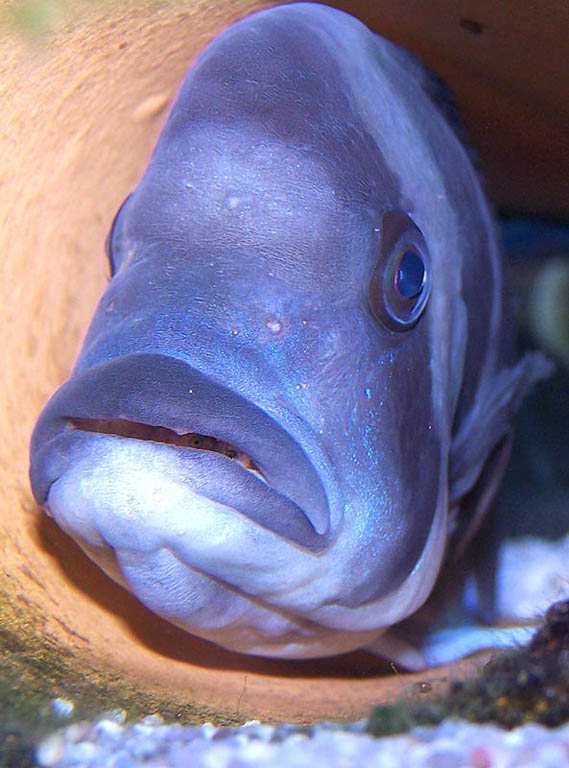
Why Fish Architecture Matters to Divers
For divers, recognising fish-built structures adds a new dimension to underwater exploration. A jawfish burrow is no longer just a hole in the sand, but a carefully engineered home. A patch of algae may represent years of territorial maintenance. A perfect sand circle is not random artistry, but a biological blueprint for reproduction.
From a conservation perspective, understanding these behaviours is equally critical. When anchors drag, reefs are blasted, or sediment is disturbed, it is not just fish that are displaced, but homes that are destroyed. As highlighted by ecosystem impact assessments from the International Union for Conservation of Nature, habitat complexity is tightly linked to biodiversity and resilience.
Seeing the Reef as a Living City
Once you start looking for fish architecture, reefs transform from chaotic ecosystems into structured neighbourhoods. Builders, farmers, engineers, and designers coexist, each shaping the underwater world in subtle but profound ways. Fish are not passive residents of the ocean. They are its planners, its masons, and its caretakers.
The next time you hover above a sandy slope or drift along a coral wall, look closer. Somewhere beneath you, a fish has built a home, and in doing so, helped build the ocean itself.


