




New Zealand sits at the meeting point of warm and cool Pacific currents, creating a marine environment that feels crafted for exploration. Dramatic coastlines, kelp forests, volcanic formations and rare species combine into one of the most distinctive diving destinations anywhere in the world. Every region offers its own character, from the subtropical reefs of Northland to the towering fjords of the deep south.
For divers willing to travel, New Zealand offers a sense of discovery that lingers long after the trip ends. It feels raw, cinematic and deeply rewarding, the kind of diving that makes you feel part of the landscape rather than just a visitor to it.
Pseudopanax at English Wikipedia, Public domain, via Wikimedia Commons
Exploring the North Island’s Signature Sites
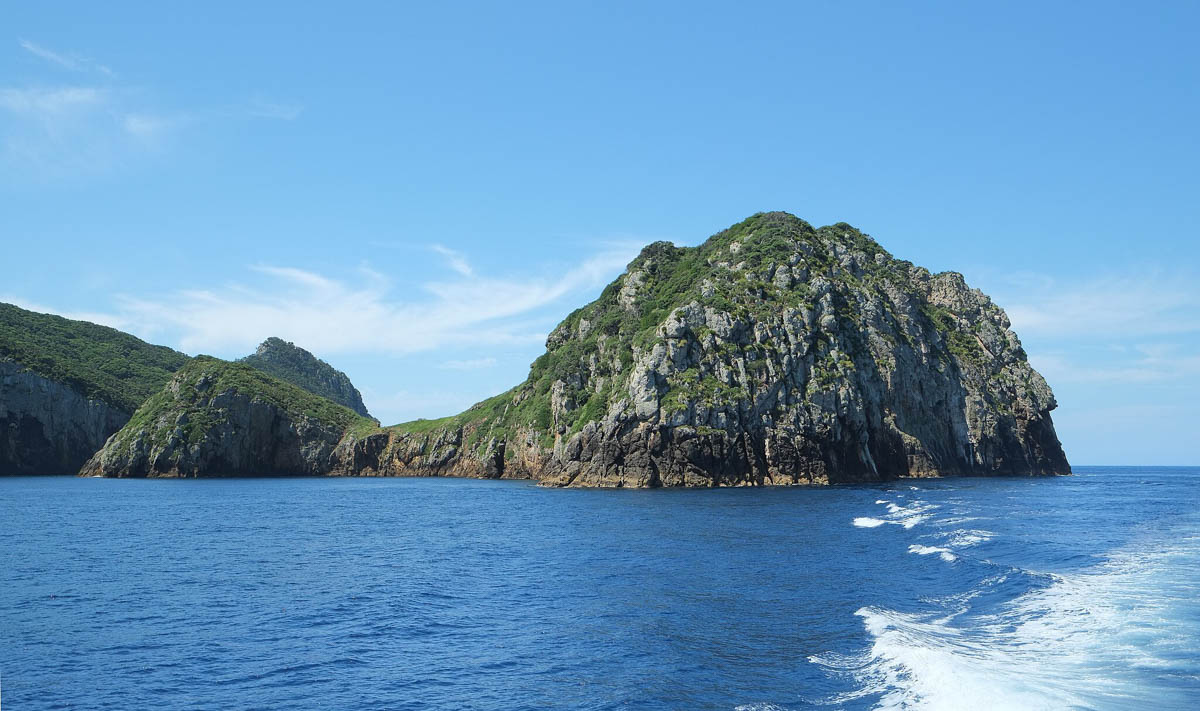
Most divers begin their journey in the North Island. The legendary Poor Knights Islands remain the country’s crown jewel, protected as part of the Poor Knights Marine Reserve and widely celebrated for volcanic arches, deep caverns and brilliant underwater visibility. Marine studies published by the New Zealand Department of Conservation highlight the area’s unique biodiversity, where schools of demoiselles swirl in cloud-like formations and stingrays glide through blue water.
Northland also offers excellent surface activities for mixed groups, with many travellers booking scenic experiences such as Cape Brett and the Hole in the Rock through Viator’s Northland marine tours. For divers basing themselves near Tutukaka, finding accommodation is seamless through Expedia’s New Zealand hotel listings and Hotels.com New Zealand stays.
Further south, the Bay of Islands introduces another layer of New Zealand’s marine personality. The region mixes wrecks, reefs and blue-water life in a region known for orca sightings, dolphin interactions and dramatic island topography. Many visitors add surface day trips through Viator’s Bay of Islands experiences to round out their itinerary.
South Island Diving and the Deep-Water Magic of Fiordland
The South Island feels like an entirely different world. Glacier-carved fjords descend straight into deep water, where vast kelp forests sway in slow motion and black coral trees bloom at depths unusually accessible to recreational divers. The heart of this region lies within Fiordland National Park, a UNESCO-recognised wilderness praised in environmental research for its dark freshwater layer that filters sunlight and creates a deep-water environment close to the surface.
Milford Sound and Doubtful Sound offer some of the most atmospheric dives on Earth. Light behaves differently here, falling through tannin-stained layers in soft gradients that make even the simplest rock formations feel monumental. Encounters with fur seals are common, and their playful midwater twists bring a sense of joy to every dive.
Many divers extend their trip with scenic activities through Viator’s Fiordland and Milford Sound tours, making it easy to experience the region both above and below the surface.

Getting to New Zealand and Choosing Your Base
Most international visitors arrive through Auckland. Domestic connections are fast and reliable, allowing divers to combine both islands in a single trip without logistical stress. Whether you prefer a fixed dive base or a flexible multi-region itinerary, accommodation is easily managed.
Travellers often build their trip using Expedia’s New Zealand hotel deals, while others compare flexible stays without upfront payment through Hotels.com’s New Zealand listings. Those planning a mix of diving and adventure can streamline their activities using Viator’s New Zealand experiences catalogue, ideal for filling surface intervals and travel days.

Anna Barnett, CC BY 2.0, via Wikimedia Commons
What Awaits Underwater
New Zealand’s underwater environments are shaped by geology, climate and isolation. The north offers volcanic swim-throughs, pinnacles and surge channels, while the south delivers fjords that feel primeval. Visibility ranges by season, but winter often produces crystal-clear conditions, especially in Northland and the outer islands.
Marine life varies dramatically by latitude. Divers may encounter bronze whaler sharks, eagle rays, fur seals, giant snapper, crayfish, nudibranchs and pelagic visitors depending on the region. Every dive feels slightly unpredictable, which is part of New Zealand’s appeal.
Why Divers Choose New Zealand
New Zealand sits high on many divers’ bucket lists for good reason. It combines wilderness, atmosphere, biodiversity and geological drama into a single destination. It is adventurous without being extreme, remote without being inaccessible and scenic in a way that feels almost handcrafted.
You finish every dive with a sense of privilege. You have entered a world that feels untouched, diverse and wildly beautiful. Whether you want subtropical reefs or moody fjords that feel carved from mythology, New Zealand offers diving that stays with you long after you’ve dried your gear.
Crafting Your Dive Experience
To plan your journey, explore accommodation options through Expedia’s New Zealand hotels or Hotels.com’s stays across New Zealand. Combine your diving with wildlife encounters, sailing trips and scenic fjord cruises using Viator’s curated New Zealand adventures to create a complete and balanced itinerary.
New Zealand rewards curiosity and preparation. Arrive ready to explore, embrace every region and experience one of the most compelling cold-to-mild water diving destinations on the planet.
Comments