




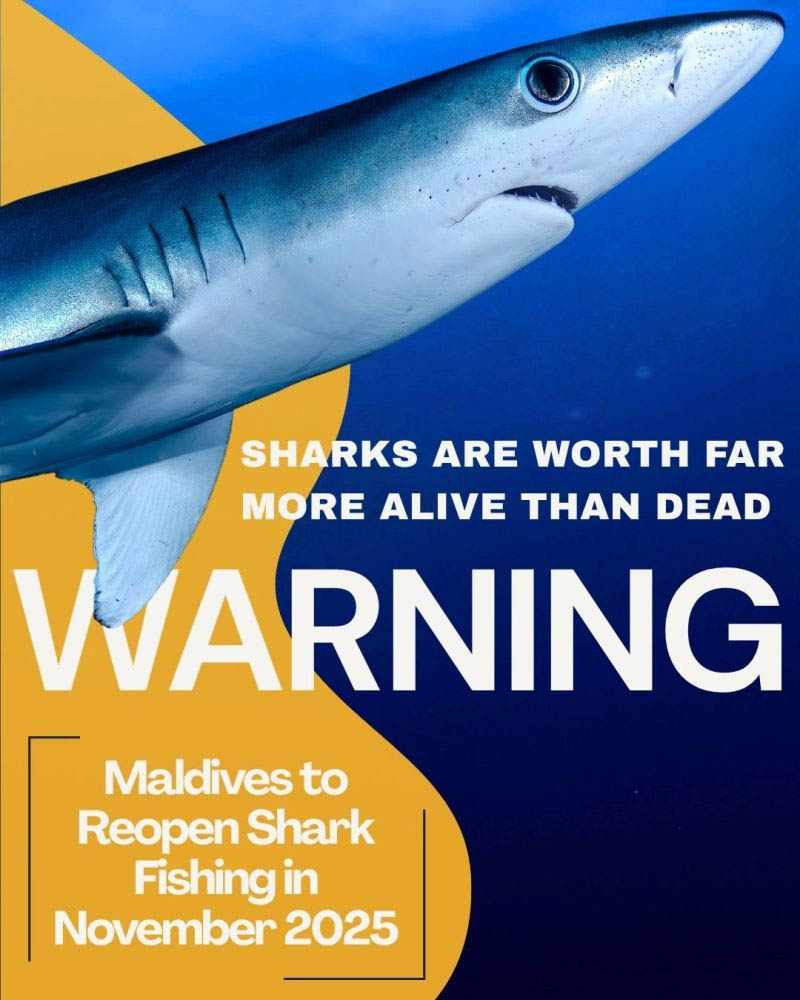
On 1 November 2025, the Maldives officially reopened shark fishing operations, bringing an end to its 15-year designation as a national shark sanctuary. The government has introduced a new deep-water fishery that specifically targets species such as the Gulper shark, among others. According to officials, this initiative is framed as a “scientific and resource-utilisation programme” designed to generate significant income for local fishing communities under newly established regulations.
However, conservationists, marine scientists and many Maldivians have raised serious concerns. They point out that deep-sea shark species are especially at risk because they mature slowly and reproduce rarely; removing them could undermine marine ecosystems that are essential for other fisheries and tourism. The policy shift thus marks the end of the country’s shark sanctuary, which was launched in 2010 and had become a widely cited model of shark protection.

Gulper Shark
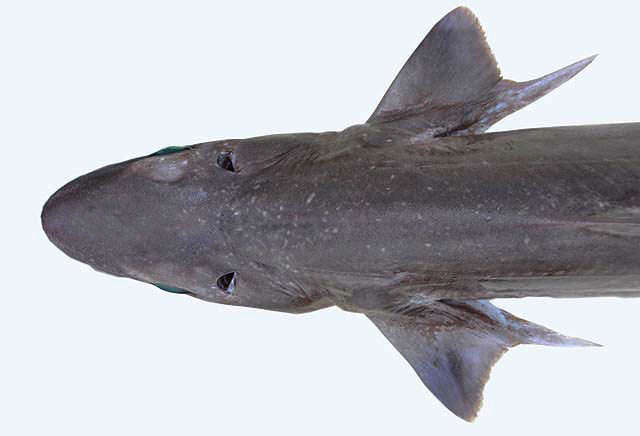
The gulper shark is a slim, elongated species of dogfish that typically reaches around three feet in length. It inhabits deep, dimly lit waters in many regions across the globe. Its body is a muted gray-brown shade that becomes lighter on the underside, and it is characterized by a long, pointed snout and noticeably large, green-tinted eyes.

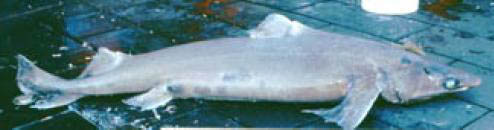

This deep-sea predator features two dorsal fins, each equipped with a prominent grooved spine, with the second dorsal fin noticeably smaller than the first. Its upper jaw contains sharp, blade-shaped teeth, while the lower teeth are edged with fine serrations. As a mid- to upper-level predator, it mainly consumes bony fishes, but its diet also includes squid, other cephalopods, and various crustaceans.
The species is classified as endangered, largely due to heavy fishing pressure and its very slow reproductive rate—marked by long gestation periods and low numbers of offspring—which makes population recovery difficult. Because they live at considerable depths, gulper sharks pose virtually no risk to humans.

Why Sharks Matter
Sharks are crucial for ocean health as apex predators that maintain the balance of marine ecosystems. By preying on the weak and sick, they ensure their prey populations are strong and healthy, which prevents overgrazing of habitats like coral reefs and seagrass beds. Their presence dictates the behavior of other species, influencing the entire food web from the bottom up, and their disappearance can lead to ecosystem collapse.
Comments