


There are few places on Earth where time seems to stand still beneath the waves. The Marshall Islands, a scattered nation of atolls and lagoons in the remote Pacific, is one of them. Here, isolation has preserved a world that feels almost untouched, a place where coral gardens glow with color, sharks glide through clear blue water, and shipwrecks tell haunting stories from another era.
This is a destination that sits quietly between Hawaii and Australia, far from the tourist trail but close to every diver’s dream. With more than a thousand species of fish and over 250 types of coral, the Marshalls offer one of the most pristine and diverse marine ecosystems in the Pacific, according to the Marshall Islands Visitors Authority. For divers seeking solitude, history, and adventure, few places can rival it.
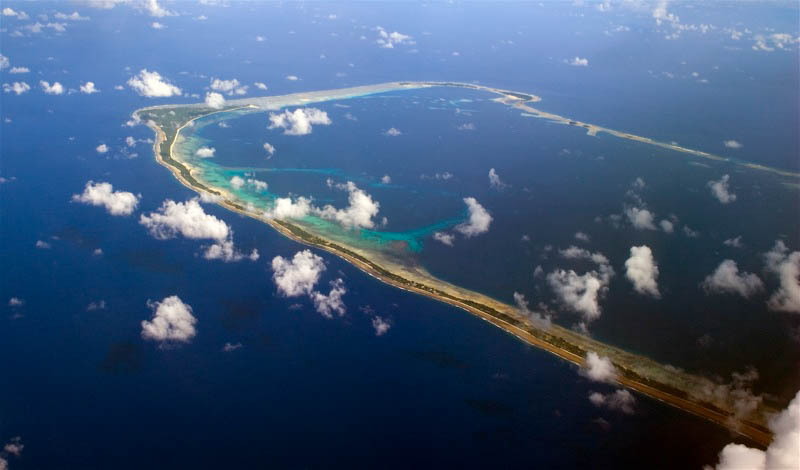
Christopher Michel from San Francisco, USA, CC BY 2.0, via Wikimedia Commons
Getting There and Finding Your Bearings
The journey begins at Majuro Atoll, the capital and main hub for diving in the Marshalls. Flights arrive via United Airlines from Honolulu, connecting this isolated nation with the wider world. From here, domestic flights or boat charters can take you to the outer atolls, such as Arno or Bikini, each with its own distinct underwater personality.
Because of its remoteness, access to some dive sites requires planning. The Historic Preservation Office and local councils oversee permits for wreck sites, ensuring the delicate balance between exploration and conservation is respected.
Diving conditions are excellent year-round, with water temperatures between 27 and 30°C. The best months to visit are May through October, when seas are calm and visibility can exceed 40 meters. Operators such as Marshalls Dive Adventures and Raycrew offer guided dives, training, and charters to nearby and remote sites. For the truly adventurous, specialist liveaboard expeditions reach Bikini Atoll, the holy grail of wreck diving, as described by Master Liveaboards.
Beneath Majuro and Arno: The Gentle Heart of the Marshalls
For many visitors, diving begins in Majuro Lagoon, where reefs and wrecks lie within easy reach of shore. Drift dives along drop-offs reveal a kaleidoscope of coral, while reef sharks and turtles are common companions. The Majuro Channel is a highlight, known for its strong currents and schools of barracuda, while the Eneko and Enemanit areas offer calmer conditions perfect for photographers.
Just a short boat ride away lies Arno Atoll, a quieter and less-explored region often described as the Marshalls’ best-kept secret. Here, divers find thriving coral walls, eagle rays in the blue, and a sense of tranquility that’s hard to match. Arno’s remoteness gives it an untouched charm, making it a favorite for repeat visitors who want a deeper connection to the islands’ natural rhythm.
Both Majuro and Arno suit recreational divers, offering comfortable depths, excellent visibility, and year-round access to warm, clear water. Local operators provide equipment rental, though most recommend bringing personal gear for comfort and reliability.
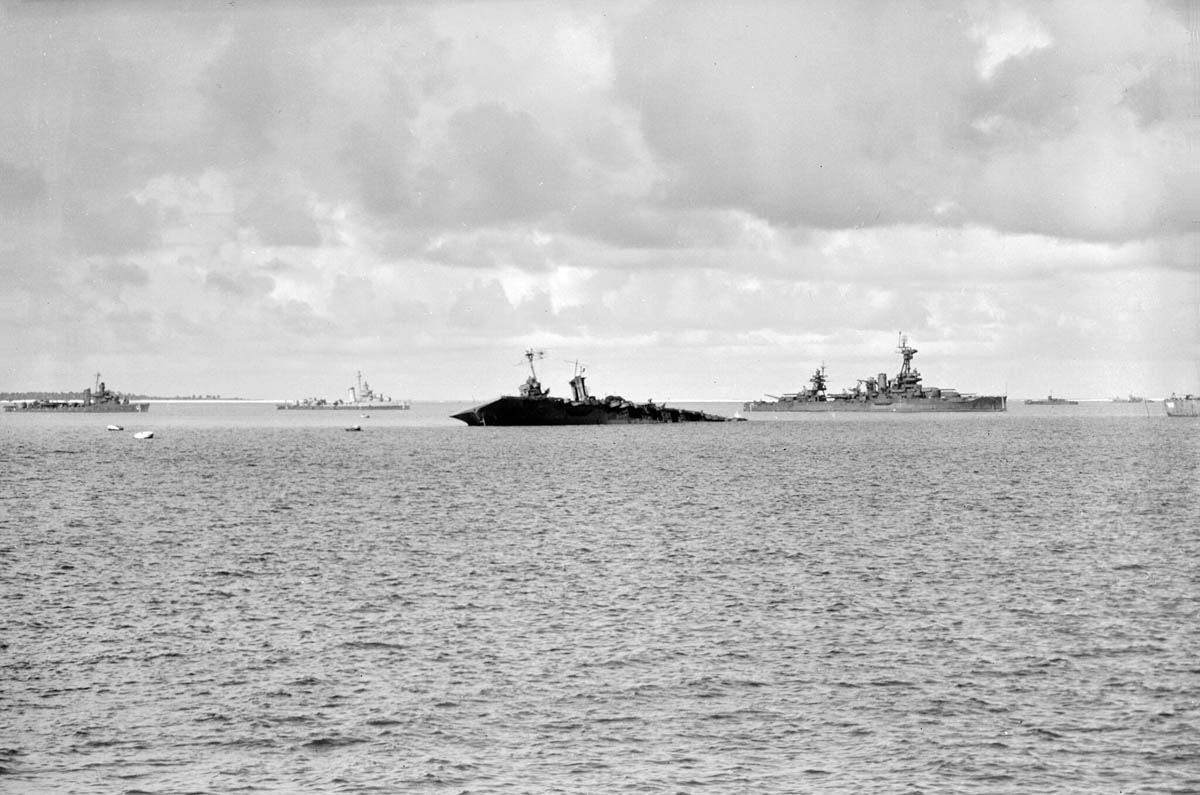
U.S. Navy photo 80-G-627506, Public domain, via Wikimedia Commons
The Legendary Wrecks of Bikini Atoll
If Majuro is the Marshalls’ welcoming handshake, Bikini Atoll is its powerful, unforgettable embrace. This isolated lagoon, once the site of Operation Crossroads, holds the remains of some of the world’s most iconic warships. The USS Saratoga, a 270-metre aircraft carrier, lies perfectly preserved in 50 metres of water. Nearby rests the HIJMS Nagato, the former flagship of the Japanese Imperial Navy, and the USS Arkansas, a battleship that served in both World Wars before meeting its fate here.

Ron Van Oers, CC BY-SA 3.0 IGO, via Wikimedia Commons
Diving Bikini is not for the faint of heart. Depths average around 50 to 60 metres, visibility is crystal clear, and currents can be unpredictable. Only experienced and technically certified divers are permitted, and trips must be arranged months in advance through authorised operators such as those listed by Dive Worldwide. Yet those who make the journey speak of it as a life-changing experience.
Descending through the blue to see the Saratoga’s flight deck emerge from the gloom feels surreal. Coral now blooms across the steel hull, lionfish drift through gun turrets, and sharks patrol the shadowy perimeters. It is a moment of beauty, history, and silence combined, a reminder of how nature reclaims even the most human of creations.
Marine Life and Conservation
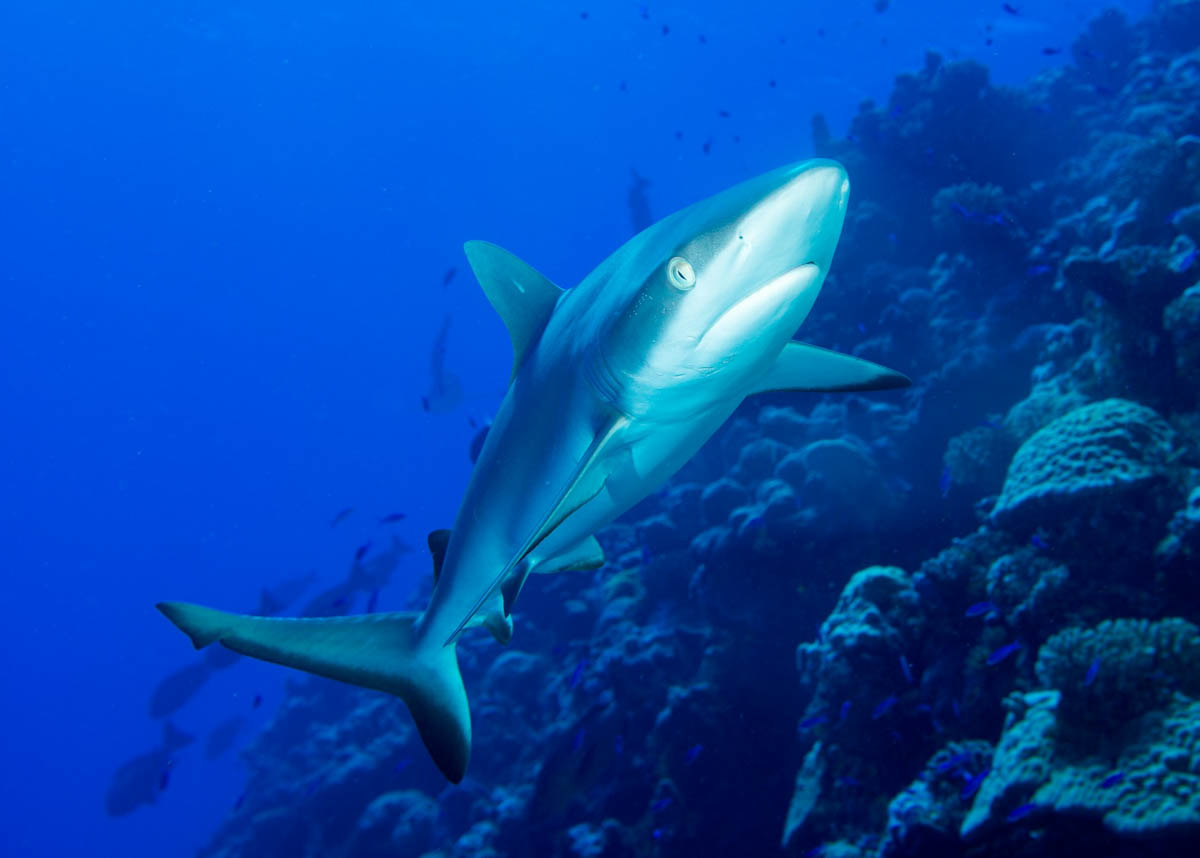
Beyond the wrecks, the Marshall Islands are alive with movement. Reef sharks are constant companions, joined by silvertips, eagle rays, and the occasional tiger shark. The reefs support parrotfish, butterflyfish, and swarms of anthias that shimmer in sunlight. Larger visitors, including whale sharks and dolphins, sometimes pass through the deep channels during seasonal migrations.
Part of what keeps these reefs so healthy is the islands’ commitment to conservation. In 2011, the Marshalls declared one of the world’s largest shark sanctuaries, protecting more than two million square kilometers of ocean. As noted by Scuba Diving Magazine, this protection has helped preserve the balance of reef ecosystems and allowed marine life to thrive. Divers are asked to respect local customs and environmental regulations, ensuring that this fragile paradise remains unspoiled.
The Experience of Diving in the Marshalls
Diving here is not mass tourism. It is slow, deliberate, and deeply rewarding. With few boats and even fewer other divers, you often have entire sites to yourself. The remoteness means that supplies and services can be limited, so planning ahead is essential. Equipment availability is basic, medical facilities are minimal, and many wreck sites are far from any settlement. But this is part of the appeal. Every dive feels like an expedition, every journey a rediscovery of the unknown.
Cultural respect is also important. Many dive sites hold spiritual or historical significance for local communities. The Marshall Islands Marine Resources Authority and community leaders work closely with operators to balance diving tourism with preservation and heritage. Following no-touch policies and buoyancy control standards is not just courteous, it’s part of preserving one of the Pacific’s last great underwater frontiers.
Why Divers Choose the Marshall Islands
There are places that impress, and places that change you. The Marshall Islands belong to the latter. It is a destination that demands patience, planning, and respect, but rewards with some of the most authentic diving left on the planet.
From the tranquility of Arno’s coral walls to the monumental silence of Bikini’s wrecks, every dive carries a sense of discovery. For divers who have seen much of the world and are still searching for something extraordinary, this remote archipelago delivers.
The Marshall Islands are not just a destination. They are an experience that lingers long after you surface, a reminder of how vast, fragile, and beautiful our oceans truly are.

.jpg)
.jpg)
_sinking_in_Bikini_Atoll_lagoon,_25_July_1946_(520999).jpg)
