




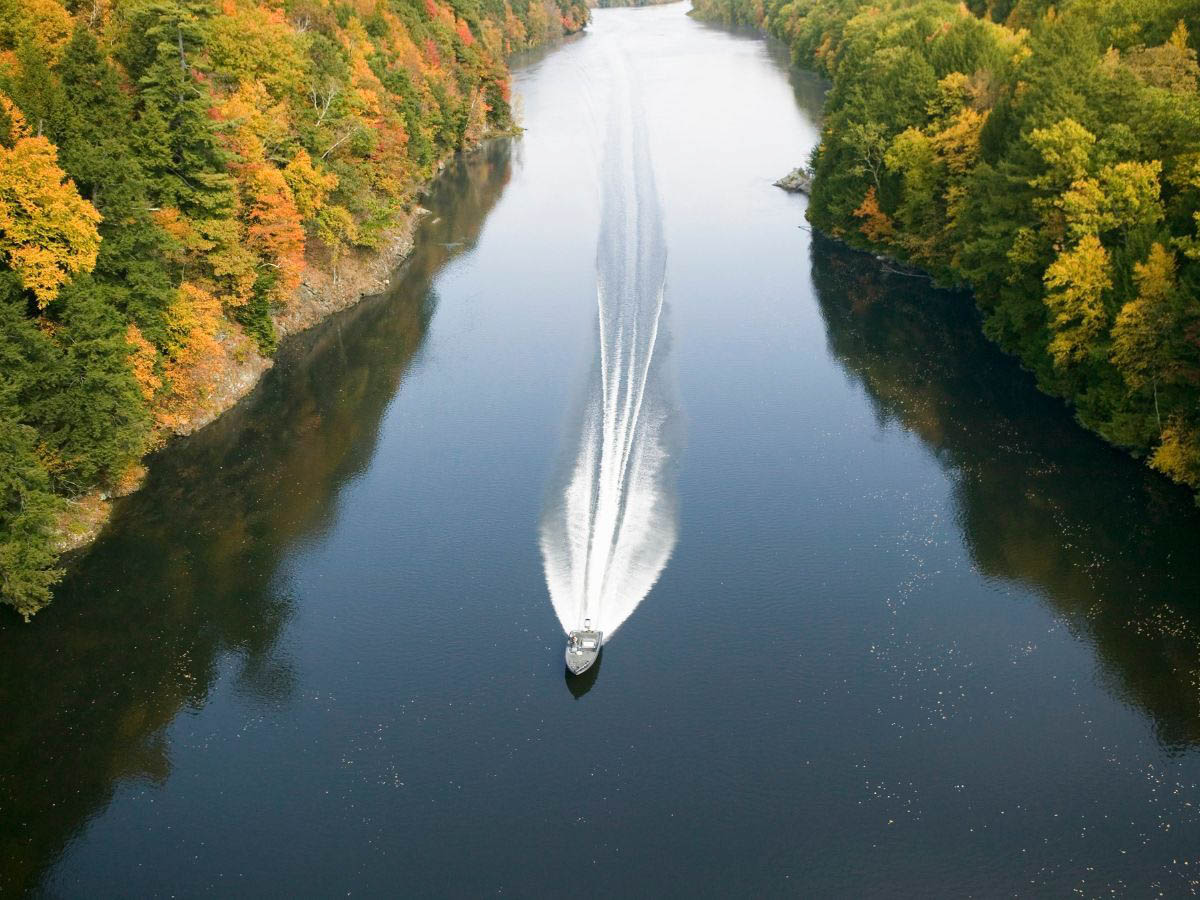

Seasonal change brings more than just a shift in water temperature. It changes how engines start or how fuel behaves during a trip. How seasonal transitions affect boat performance comes down to small mechanical and environmental changes that add up quickly. A boat that ran perfectly in late summer may respond differently after weeks of colder nights and long storage.

Temperature Changes Can Affect Engine Response
Cooler weather can make marine engines slower to start because oil thickens and batteries lose some of their usual strength. As temperatures rise again, seals and hoses may expand after months of contracting in the cold. Even minor stiffness in these parts can affect throttle response or cooling performance. Seasonal checks help catch changes before they become problems on the water.
Fuel Quality Can Shift Between Seasons
Fuel can degrade during storage, especially when moisture enters the tank or when untreated fuel sits for too long. As temperatures fluctuate, condensation can form inside partially filled tanks, leading to water contamination that may cause rough running or poor acceleration. For scuba divers heading to remote dive sites, unreliable fuel delivery can interrupt timing and safety planning. Fresh fuel and proper stabilizer use support smoother performance.

Hull Condition Changes With Storage and Use
A hull may collect dirt, algae, salt residue, or small surface damage as seasons change. Even a thin layer of buildup can create drag, making the boat work harder to maintain speed. After storage, checking the hull and propeller is part of understanding how seasonal transition affects movement through the water. Clean surfaces and intact hardware help improve handling and overall ride quality.
Weight and Gear Loads Matter More Than Expected
Seasonal boating changes what gets carried onboard. Spring trips may include extra safety gear, cold-weather clothing, dive tanks, weights, and backup equipment. Extra load affects acceleration and fuel use. Balanced storage keeps the boat more predictable when crossing chop or approaching dive sites.
Water Conditions Influence Handling
Seasonal transitions bring changes to the environment where you boat, such as fluctuating water levels and surface temperatures. Colder water can make dives more gear-heavy, while spring runoff or fall winds can create stronger surface movement. These conditions affect how a boat planes and turns near entry points. Careful handling becomes even more important when divers enter or exit the water.
Maintenance Timing Protects Performance
Seasonal maintenance is directly tied to performance because boats depend on systems that respond to temperature and moisture. For example, spring preparation may include steps to dewinterize your boat before regular use returns. Skipping those details can lead to hard starts or overheating. A steady maintenance rhythm keeps the boat ready for changing weather and changing water.
A boat’s best days on the water come from the quiet care given before conditions change. Knowing how seasonal transitions affect boat performance makes each trip feel less like guesswork and more like preparation paying off. With the right attention between seasons, the boat is ready to respond when the water calls again.
Comments