



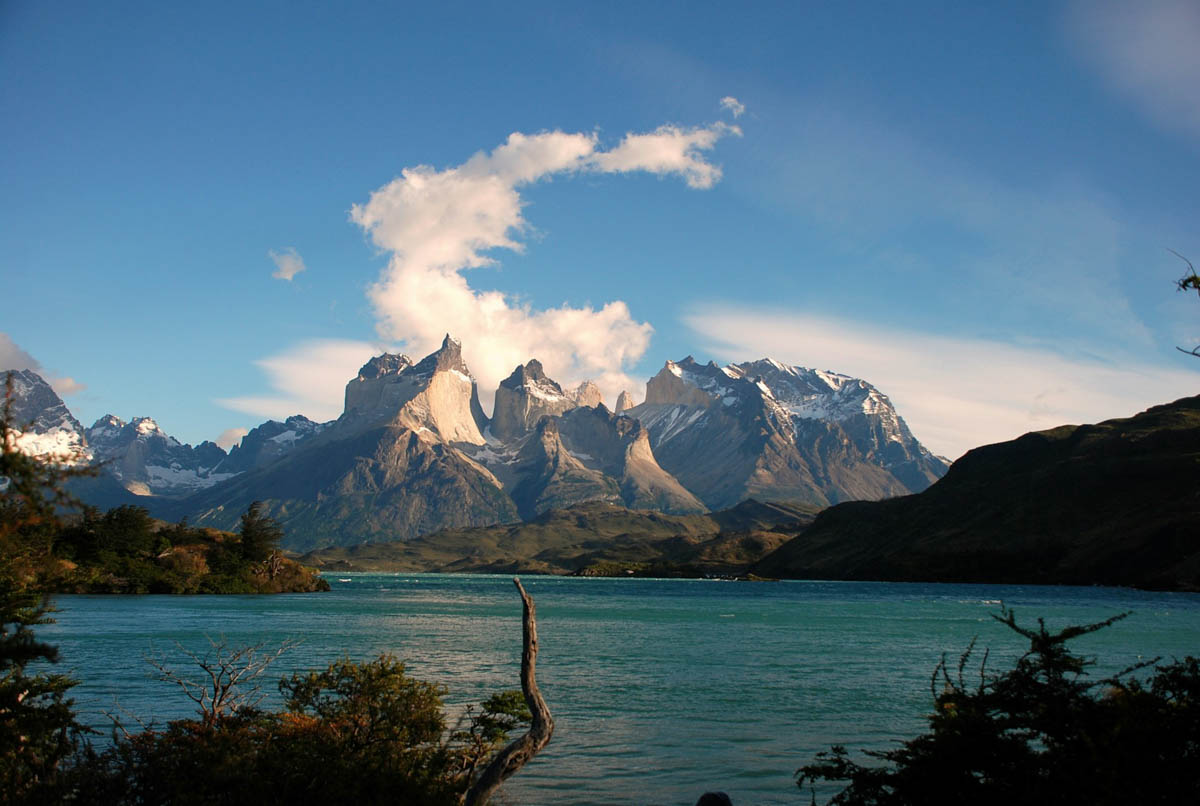

Patagonia is a place that rewrites expectations. Above water the landscape folds itself into jagged mountains, wind-scoured plains and fjords that vanish into the horizon. Underwater, a different kind of drama plays out. Cold clear channels open into forests of kelp, rock gardens host strange cold-water corals and giant crabs patrol the bottom. Sea lions dart like torpedoes, penguins drop through the water like missiles and, in the right season, whales and orcas stage performances along the shoreline. For divers who crave rawness and rarity, Patagonia is less a destination and more an invitation to explore the margins of the sea.
Where to Go When the Map Runs Out
The two obvious bases for Patagonian diving are Ushuaia in southern Argentina and Puerto Madryn on the Atlantic coast. Ushuaia sits at the tip of Tierra del Fuego and offers dives in the Beagle Channel that feel like a foretaste of Antarctica. Those dives thread through kelp forests and rocky outcrops and can reveal leopard seals, king crabs and dense communities of anemones, starfish and molluscs. The currents and temperature demand respect, but the scenery rewards patience and good planning.
Puerto Madryn, the gateway to Península Valdés, is Patagonia’s main diving hub on the Atlantic side. Golfo Nuevo produces some of the clearest waters in the region and it is one of the few places where divers can experience playful interactions with single-fur sea lions. Wrecks and artificial reefs create structure for abundant fish life and macro subjects, while the surrounding shores are famous for whales, penguins and seasonal orca behaviour.
Along Chile’s long coastline, remote fjords and islands hide cold-water coral gardens and sprawling kelp forests. These places feel genuinely wild, with biodiversity that reflects the mixing of sub-Antarctic and temperate currents. Scientific surveys and conservation work are revealing more of these habitats, which in their secrecy feel like a frontier for adventurous divers and marine biologists alike.

Photo by Ignacio Aguilar on Unsplash
What You Will Actually See
Patagonian diving is not about manta rays or tropical reef fish. The spectacle here is texture, behaviour and species that belong to cold seas. Kelp forests are the most cinematic element, their fronds creating vertical landscapes where light filters in ribbons and fish and invertebrates make their homes. Sea lions, especially around Punta Loma near Puerto Madryn, bring a playful, energetic dynamic that makes for memorable encounters. In Ushuaia the rocky bottoms and algal plateaus support abundant invertebrates, starfish, crabs and occasionally more charismatic megafauna such as leopard seals and king crabs. Seasonal visitors include whales and orcas along the Patagonian shores, events that shape the wider marine calendar if not the average dive plan.
Macro photographers will find endless subjects. Cold-water corals and sponges form complex gardens that host tiny nudibranchs and shrimp. Night diving in sheltered bays can be fantastic for brittle stars, pipefish and nocturnal crustaceans. For divers used to warm water, the palette is different: muted tones, high-contrast textures and behaviour that invites slow, close observation rather than speed.
Conditions, Skill Level and Seasons
Expect cold water and variable visibility. Surface temperatures range widely by season and location, so drysuit diving is common around Ushuaia and advisable for most excursions that go beyond brief sheltered swims. Visibility in the Beagle Channel and some Patagonian fjords can be excellent on calm days, but wind and swell can reduce it quickly. Currents and surge mean many operators require divers to have solid experience and good buoyancy skills. Night dives and deeper wreck dives add complexity and should be planned with a local guide.
Seasonality is important. The Patagonian summer, roughly November to March, offers the mildest conditions and the longest daylight hours. This is also when wildlife encounters peak, with breeding sea lions and visiting whales. For photographers and wildlife watchers those months are best. If your aim is to chase cold-water phenomena such as king crabs or leopard seals, local operators can advise on timing and safety.
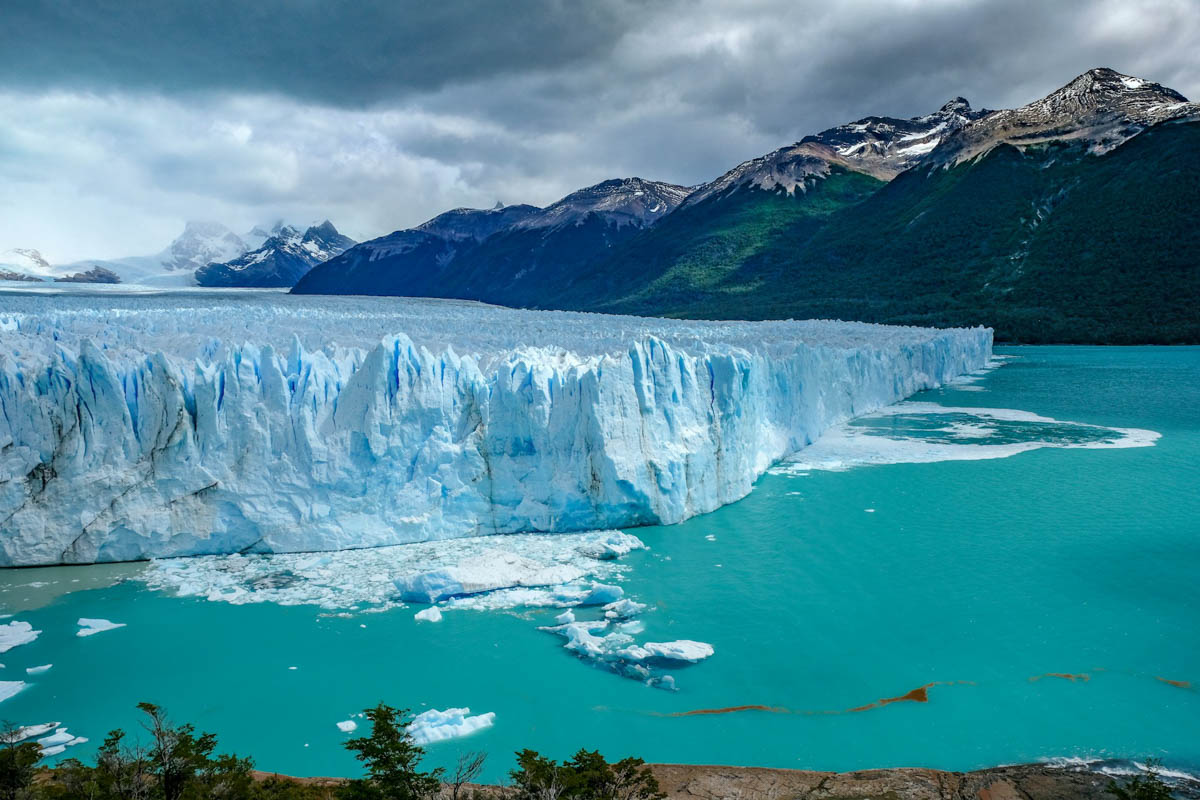
Photo by Hans-Jürgen Weinhardt on Unsplash
Getting There and Practical Logistics
Reaching Patagonia requires planning. Ushuaia is accessible by flights from Buenos Aires and other Argentine hubs, and it functions as a compact base where dive operators run daily trips into the Beagle Channel. In Puerto Madryn the town serves as a practical hub for Península Valdés excursions and dive centres that specialise in sea-lion interactions and wreck exploration. Bring the right kit or arrange rental in advance. Many operators provide thermal undersuits, drysuits, thick hoods and regulators set up for cold water, but personal valves and second stages fitted for cold conditions are worth checking before travel.
Medical readiness matters. Remote locations, cold water and strong currents increase risk, so travel with a dive physician’s clearance if you have any underlying conditions. Travel insurance that covers cold-water diving and emergency evacuation is a must. Finally, remember that weather can change plans with little notice; flexible itineraries reduce frustration and increase safety.
Conservation and How Divers Can Help
Patagonia’s marine ecosystems face pressures from climate change, fisheries and tourism. Kelp forests and cold-water coral communities are vulnerable to warming and local disturbance. Responsible diving here means keeping distance from wildlife, avoiding contact with kelp and corals and supporting operators that follow strict environmental guidelines. Many dive centres contribute to citizen-science projects and local conservation programmes, so ask before you book. Being a mindful visitor helps keep these edge-of-world places wild for future divers and for the creatures that live there.
Is Patagonian Diving for You?
If you want guaranteed warm-water glamour, Patagonia is not the right choice. If you want rare species, dramatic seascapes, a sense of exploration and encounters that often feel like the opening scene of a nature documentary, then it will repay the effort. The rewards are sensory and behavioural: the tactile forests of kelp, the quicksilver joy of a sea lion, the slow, intricate life of cold-water corals. For the diver who values novelty, biology and raw landscapes, Patagonia remains one of the most compelling cold-water frontiers on Earth.
Comments