





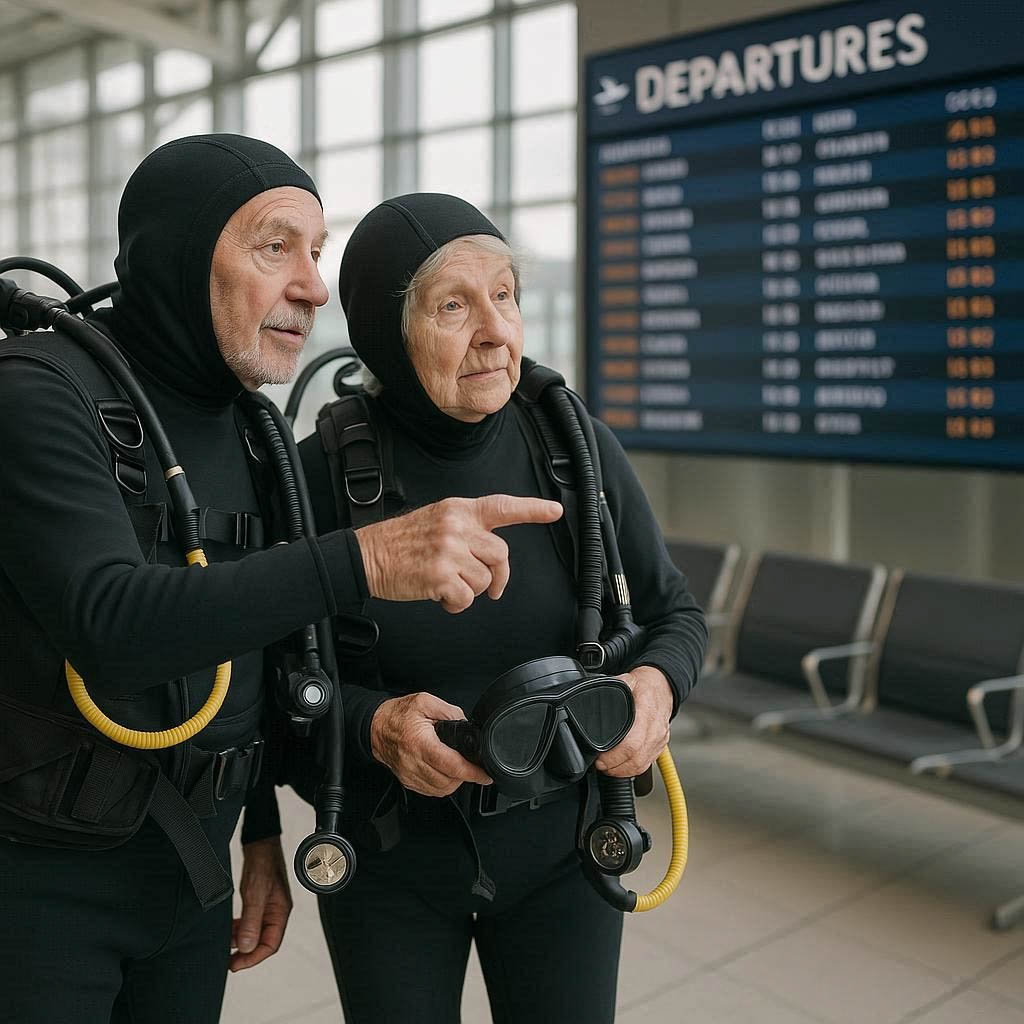
Following a number of recent features, we have been asked to research senior-friendly dive facilities and what makes them stand out. The result is this guide for older divers, those planning a retirement of exploration, and the dive operators who want to welcome them. Here’s what to look for in a senior-friendly centre, why the market matters, and how retirement can become a gateway to see the world one reef at a time.
Why This Matters Now
The leisure travel market is changing. Retirees have more time, often more disposable income, and are increasingly choosing experiences that feel meaningful rather than simply relaxing. Research into senior travel trends shows that older adults travel outside peak seasons, look for authentic cultural experiences, and are willing to invest in comfort and quality.
This shift makes the senior diving market a natural fit. The underwater world offers discovery, community, and purpose – exactly what many people seek in their later years.
The Size of the Opportunity
Adventure and experiential tourism are booming. The global scuba diving market, now worth billions of dollars, continues to expand as travellers seek transformative experiences rather than passive holidays. Among that growth, senior divers are a key demographic. Many began diving decades ago and now have both the time and resources to rediscover it. Others are taking it up for the first time, attracted by its low-impact fitness benefits and social connection.
For dive centres, the opportunity lies in recognising that comfort, safety, and accessibility can turn curiosity into loyalty.
What Makes a Dive Centre Senior-Friendly
A senior-friendly dive centre is about more than accessibility ramps. It’s about an attitude of care and adaptability.
Facilities like Dive! Tutukaka in New Zealand exemplify this approach. As the country’s first PADI Adaptive Service Facility, they’ve invested in training, equipment, and infrastructure designed for divers of every ability. Staff are trained to offer extra assistance, adapt schedules, and make boarding boats easier — small details that transform the experience for older guests.
In Egypt, Reef Oasis Dive Club in Sharm el Sheikh operates as a PADI Five Star Career Development Centre and certified Adaptive Service Facility. The club focuses on personalised support, calm conditions, and tailored guidance, earning praise from divers who value professionalism and attention to comfort.
In the Caribbean, Compass Point Dive Resort on Grand Cayman is widely recommended on diving forums for its effortless logistics. With its on-site dive shop, short boat rides, and dedicated staff who handle equipment, it’s easy to see why many older divers call it a “stress-free diving experience.”
For those who prefer the laid-back rhythm of Southeast Asia, BB Divers in Koh Chang, Thailand, provides a warm and inclusive environment. Known for adaptive diving programs and personalised instruction, the team prides itself on helping each diver go at their own pace.
And in the Florida Keys, Amoray Dive Resort in Key Largo offers on-site accommodation, short transfers, and shore-access options that appeal to those who want easy, comfortable diving without long boat rides.
Across all these examples, what makes the difference is mindset. Staff understand the value of flexibility, clear communication, and calm pacing. These centres are not just accessible, they are genuinely welcoming.
The Joys of Diving as a Senior
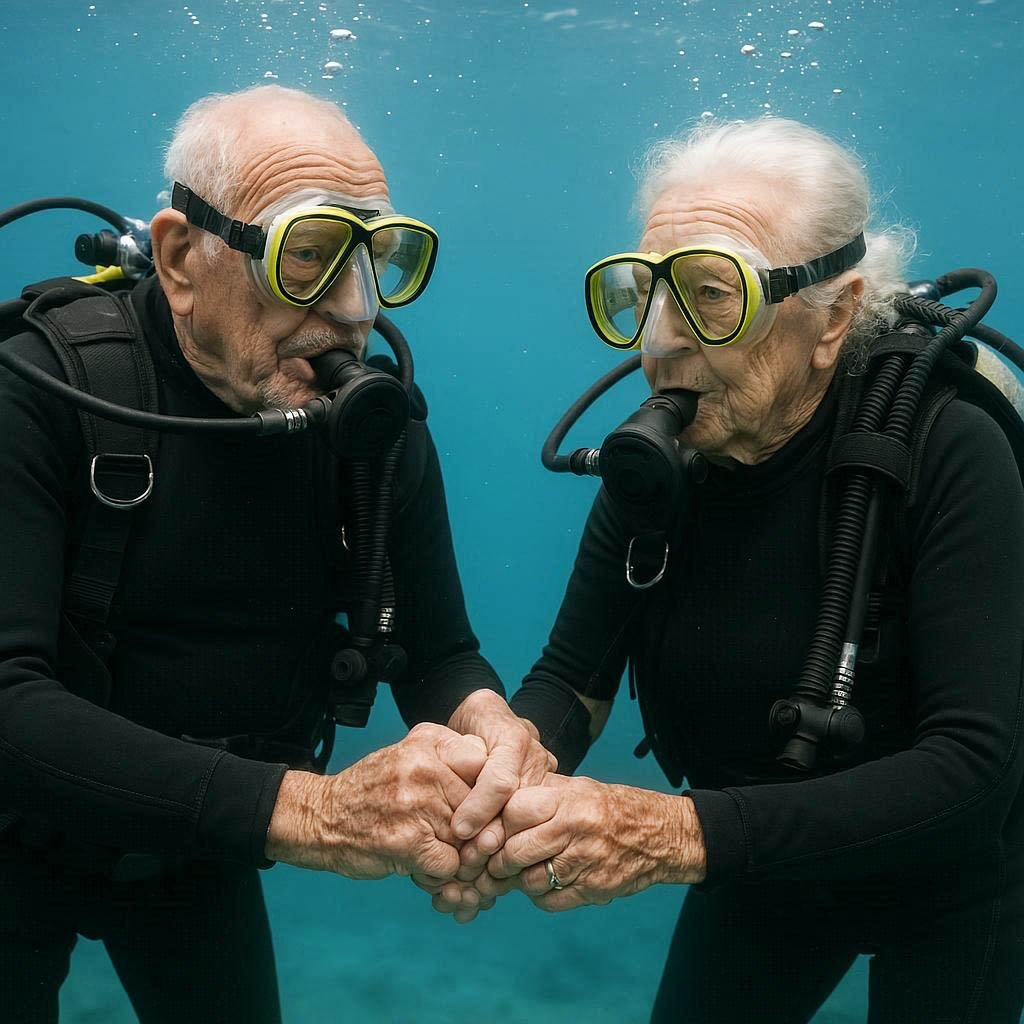
Scuba diving combines fitness, mindfulness, and exploration – a perfect combination for later life. The water supports the body, easing strain on joints while providing gentle resistance that strengthens muscles and improves circulation.
Diving also nurtures mental health. It offers purpose, structure, and connection. Sharing dives with others fosters community and helps many retirees find new friendships and renewed confidence.
Perhaps most importantly, diving keeps curiosity alive. The sea offers endless discovery, and older divers often say they notice more, move slower, and appreciate the details that once rushed past them. It’s proof that diving can be not only ageless but richer with experience.
Safety and Health Considerations
It’s no secret that age brings new challenges. Data shows that medical factors, particularly heart-related conditions, account for a higher proportion of dive incidents among older divers. That doesn’t mean seniors shouldn’t dive – it simply means they should dive smart.
A medical check before travel, open discussions with instructors about health, and conservative dive planning go a long way. Using Nitrox, staying well hydrated, and avoiding fatigue across multi-day dives can help maintain energy and safety.
Dive centres that embrace these practices and build them into their routines are the ones older divers can trust most.
Turning Retirement into a Worldwide Dive Plan
Retirement presents an unmatched opportunity for exploration. Many divers plan seasonal dive routes, following warm waters and calm seas across continents. For example, winter in the Red Sea, spring in the Caribbean, and summer in the Pacific can provide a balanced year-round itinerary.
Pairing a few trusted dive centres helps make each trip smoother. Returning guests are recognised, equipment is remembered, and care becomes personal. Mixing resort stays with occasional liveaboards allows for both deep adventure and easy recovery time between dives.
Budgeting for comfort – better cabins, private transfers, or smaller-boat options can make a world of difference. After all, this is the stage of life when experiences, not exhaustion, should take centre stage.
For Dive Operators, and for Readers
For operators, the message is simple. Older divers are not a small niche; they are a growing and loyal market. They value safety, professionalism, and service, and they return to places where they feel respected and cared for. Investing in staff training and modest accessibility upgrades can open the door to a thriving new audience.
For divers, the takeaway is even simpler. Age is not a limitation, it’s a perspective. With good planning and the right partners, your retirement years can become the most fulfilling diving years of all.
The reefs are waiting. The tanks are ready. And the adventure, as ever, begins when you take that first calm breath underwater.
Comments