

The Churchill River system is Steeped in Canadian history and boasts some of the best fishing on the planet. This vast system of lakes and rivers has long been the road to the West and has been travelled by generations of settlers and First Nations. Uncharted Odyssey takes the Clement family takes on this historic waterway in an epic canoe adventure.
Churchill River
The Churchill River is a significant waterway running through the provinces of Saskatchewan and Manitoba in Canada. Stretching approximately 1,609 kilometers (1,000 miles) from Churchill Lake, the river flows entirely within the Canadian Shield region. It was named after John Churchill, the 1st Duke of Marlborough, who served as governor of the Hudson’s Bay Company from 1685 to 1691. In Indigenous languages, the river is known as Missinipi (“big waters”) by the Cree and des nëdhë́ (“Great River”) by the Denesuline people.
The river’s drainage basin spans parts of central and eastern Alberta and includes a network of lakes that feed into the Churchill system in Saskatchewan and Manitoba. A major tributary, the Beaver River, merges with the Churchill at Lac Île-à-la-Crosse.
Saskatchewan’s highest waterfall, Nistowiak Falls, is found on the Rapid River, which flows northward from Lac la Ronge into Nistowiak Lake before joining the Churchill River just north of the town of La Ronge.
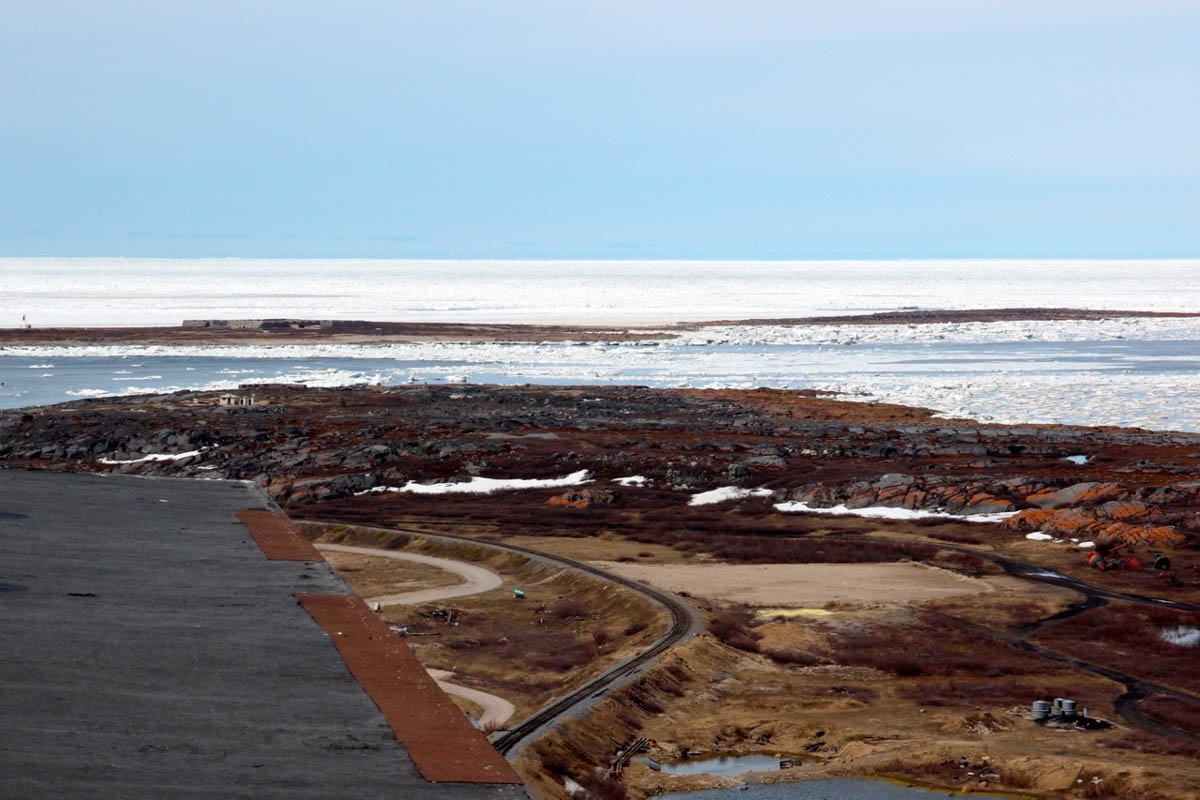
After crossing into Manitoba, the river receives a substantial portion of its flow from the Reindeer River, which originates from Wollaston and Reindeer Lakes. The flow from Reindeer Lake is controlled by the Whitesand Dam. From there, the Churchill continues eastward through a series of lakes—Highrock, Granville, Southern Indian, and Gauer—before splitting. Roughly 60% of the river’s flow is redirected into the Nelson River for hydroelectric power generation, while the remaining water follows its natural course to Hudson Bay, reaching the community of Churchill, Manitoba.
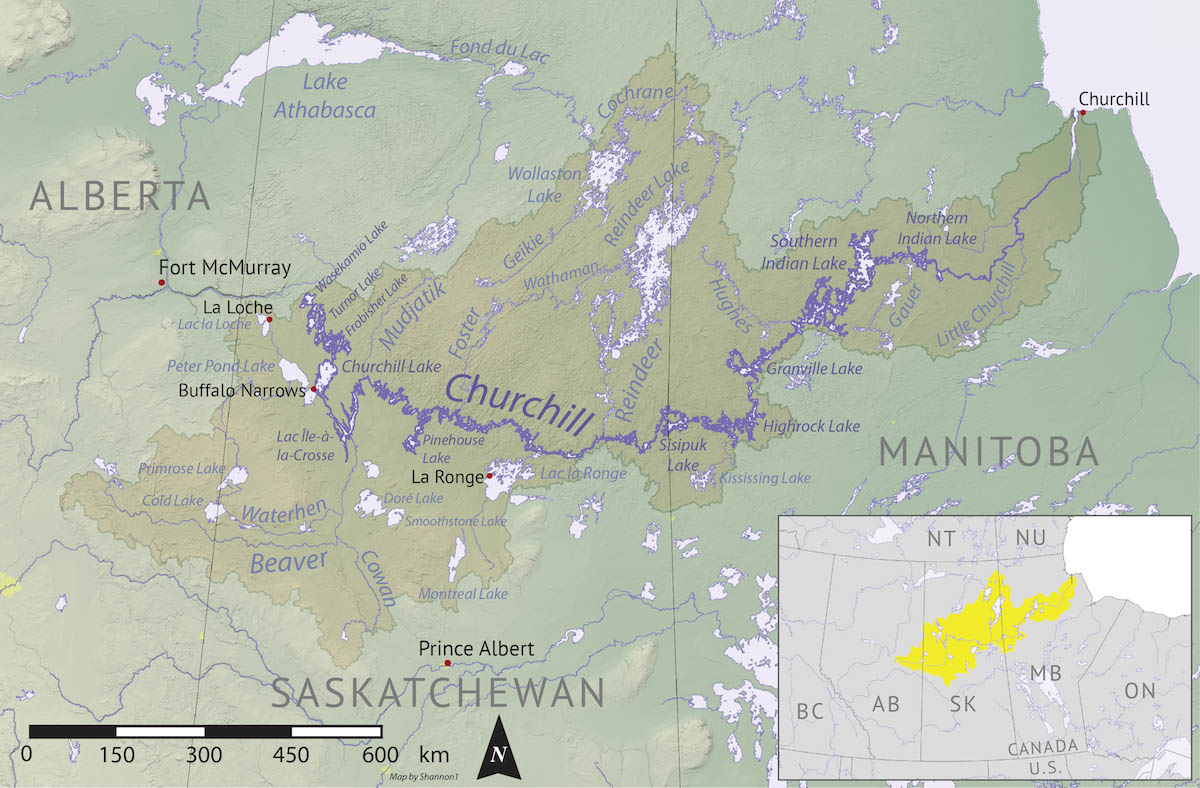

During the 18th to 20th centuries, the Churchill River served as a crucial segment of the historic “voyageur highway,” a major transportation and trade route. This became possible after the Dene people introduced explorer Peter Pond to the Methye Portage—a key overland connection linking the Hudson Bay drainage basin to the river systems of the Clearwater, Athabasca, and Mackenzie, which ultimately drain into the Arctic Ocean. This discovery played a significant role in the development of early Canadian canoe routes.
The Churchill River supports a diverse range of fish species. Among those commonly found in its waters are walleye, sauger, yellow perch, northern pike, lake trout, lake whitefish, cisco, white sucker, shorthead redhorse, longnose sucker, lake sturgeon, and burbot.
.jpg)