

Close Menu
    Facebook X (Twitter) Instagram
    New
    • Solo Divers’ Paradise: Lock in the Singles Day Liveaboard Deals Now
    • Dive Indonesia in Style: Exclusive Liveaboard Deals for January 2026
    • Deal Alert: 20% Off the OTS Guardian Full Face Mask
    • Shearwater Introduces GPS Integration for All Air-Integrated Dive Computers
    • You Could Win a Monster Megalodon Tooth at the DEMA Show 2025 – Here’s How
    • Canadian Harvard Aircraft Association (CHAA’s Dive Recovery Team) – Search Operations Overview Course
    • Rt. Hon. Paul J. Martin, Canadian Freighter is Stuck in Detroit River
    • Scuba Diving in Mozambique: Africa’s Hidden Ocean Frontier
    Facebook X (Twitter) Instagram Pinterest YouTube LinkedIn TikTok Threads Mastodon
    Contact Advertise Destinations
    The Scuba News
    Curacao Vacation Guide
    • Home
    • News
      • Commercial Diving News
      • Community News
      • Dive Center News
      • Dive Resort News
      • Environmental News
      • Equipment News
      • Event News
      • Photo and Video News
      • Training News
      • Travel News
    • Events
    • Scuba Features
      • Commercial Diving Features
      • Community Features
      • Dive Center Features
      • Dive Resort Features
      • Environmental Features
      • Equipment Features
      • Event Features
      • Maritime History
      • Photo and Video Features
      • Training Features
      • Travel Features
      • Video Articles
      • What Divers Say
    • Travel
      • Travel News
      • Travel Features
      • Travel Offers
    • Surface Interval
      • Books
      • Movies
      • Podcasts
      • TV
      • Webinars
    • News by Destination
    The Scuba News
    Home » How Scuba Diving Can Lead to Back Pain and Why Chiropractic Treatment Can Help
    Community Features

    How Scuba Diving Can Lead to Back Pain and Why Chiropractic Treatment Can Help

    TW ChiropracticBy TW ChiropracticJune 30, 2025No Comments5 Mins Read
    Facebook Twitter Pinterest LinkedIn Tumblr Email
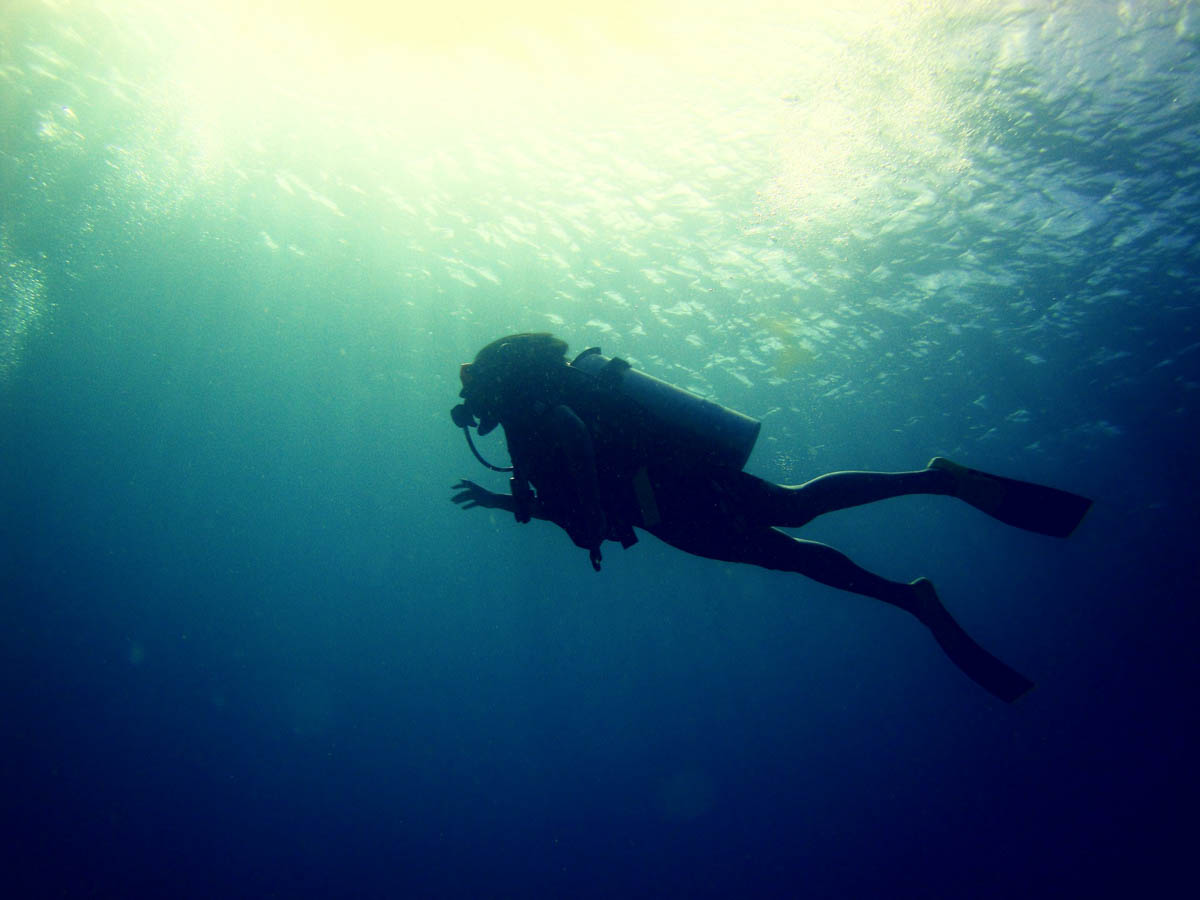
    Diver Underwater

    While the thrill of descending into the deep blue can be captivating, it’s important to recognize that the unique physical demands of scuba diving may lead to back pain.

    The Connection Between Scuba Diving and Back Pain

    Scuba diving places the body in a highly specific position: often bent forward with the body hunched to accommodate the weight of the dive gear. Although diving itself is a low-impact activity, prolonged exposure to this position, combined with the additional stresses created by the gear and water pressure, can put undue strain on the spine and surrounding muscles. Here are some key factors that can contribute to back pain in divers:

    1. Heavy Dive Gear

    The weight of the scuba tank, buoyancy compensator, weight belt, and other gear places pressure on the spine and shoulders, especially when walking on land before or after a dive. For long dives, this weight can accumulate and stress the lower back, causing discomfort and muscle tension.

    2. Improper Body Position

    While diving, divers may spend long periods in a slightly hunched position, especially when navigating tight spaces or maintaining buoyancy control. Repeatedly bending the body in this position can lead to misalignments of the spine, affecting posture and causing muscle strain. In some cases, prolonged improper posture may lead to disc problems or joint irritation in the lower back.

    3. Water Pressure and Spinal Compression

    Scuba diving involves descending to depths where water pressure increases. As the body descends, there’s an increasing pressure on the spine and intervertebral discs, which can lead to compression. This compression may exacerbate pre-existing spinal issues or create discomfort in the lower back, especially after prolonged or deep dives.

    4. Sudden Movements and Muscle Strain

    Scuba divers often have to make quick movements or adjustments to their positioning, such as swimming against currents or navigating strong water flows. These sudden movements can strain muscles, particularly those in the back and shoulders, leading to localized pain and discomfort.

    5. Post-Dive Stiffness

    After a dive, some divers may experience stiffness or tightness in their back due to the body’s prolonged period in a horizontal, sometimes unnatural, position. As a result, the muscles may not return to their natural state of flexibility immediately, causing a feeling of tension in the lower back.

    TW Chiro
    Photo by Toa Heftiba on Unsplash

    How Chiropractic Treatment Can Help Scuba Divers

    Chiropractic care focuses on diagnosing and treating musculoskeletal disorders, particularly those related to the spine. For scuba divers experiencing back pain, chiropractic care can offer several benefits that can help restore alignment, improve function, and relieve discomfort.

    1. Spinal Alignment and Adjustments

    Chiropractors specialize in spinal adjustments, which can realign the vertebrae and joints that may have become misaligned during a dive or due to the strain of dive gear. Proper spinal alignment helps relieve pressure on the spinal discs and nerves, reducing discomfort and promoting better mobility.

    2. Pain Relief

    Chiropractic care can help alleviate pain by targeting the root cause of the discomfort. By performing spinal adjustments and soft tissue therapies, chiropractors can reduce inflammation, release muscle tension, and alleviate pressure on the nerves, resulting in both immediate and long-term relief from back pain.

    3. Prevention of Future Injuries

    Regular chiropractic treatments can help strengthen and maintain proper spinal alignment, which can reduce the risk of future injuries. Through techniques like postural correction, strengthening exercises, and flexibility training, chiropractors can help divers maintain better posture both underwater and on land. This reduces the risk of strain and overuse injuries from repetitive diving motions.

    4. Improved Mobility and Flexibility

    Diving can cause muscles to become tight, especially in the lower back, shoulders, and legs. Chiropractic care involves soft tissue therapies, including massage and stretching techniques, to help increase flexibility and muscle mobility. This can be especially beneficial for divers who experience tightness after long dives or those who suffer from stiffness due to improper posture.

    5. Enhanced Recovery

    Chiropractic care can promote faster recovery by improving blood circulation and reducing inflammation. After a dive, it’s not uncommon for divers to experience muscle fatigue and soreness. Chiropractic adjustments can help expedite the healing process by restoring normal movement patterns and improving the body’s ability to recover naturally.

    6. Holistic Approach

    Chiropractors often adopt a holistic approach to healing, focusing not only on the spine but also on the overall well-being of the body. Through nutritional counseling, ergonomic advice, and lifestyle modifications, chiropractors can help divers reduce stress, improve posture, and strengthen muscles to ensure their body is in optimal condition for future dives.

    When to See a Chiropractor

    If you’re a scuba diver experiencing back pain, it’s important to listen to your body and seek professional care when needed. If the pain persists after diving, interferes with your mobility, or becomes chronic, it may be time to consult with a chiropractor. Additionally, even if you don’t have any noticeable pain, regular chiropractic visits can help ensure your body remains in top shape for your next adventure under the sea.

    Find out more about Chiropractic and what it can treat

    Comments

    Dive Inclusive
    Share. Facebook Twitter Pinterest LinkedIn Tumblr Email
    Previous ArticleHEAD Completes AQUALUNG Group Acquisition in €50 Million Rescue Deal
    Next Article The Ultimate Guide to Planning a Red Sea Diving Holiday
    TW Chiropractic
    • Website
    • Facebook

    If you haven’t tried Chiropractic yet, you don’t know what you’re missing! My treatments are never shorter than 30 minutes, which means I can do more soft tissue work and have time to give more tailored stretches and advice. This way you will always feel you have had the time and attention you deserve.

    Related Posts

    Family Launch GoFundMe To Support Inquest After Diver’s Death

    Discovery After a Century: Divers Confirm Identity of HMS Bayano, 110 Years After Wartime Tragedy

    What You Need to Know from the 2024 BSAC Diving Incident Report

    Leave a ReplyCancel reply

    Advertisement
    Scuba Mask Straps
    Advertisement
    Blue
    Advertisement
    Emperor Divers
    Advertisement
    Geneinno
    Advertisement
    DiveAssure
    Advertisement
    Scuba Fix at Kirk Scuba Gear
    Advertisement
    Kirk Scuba Gear
    Advertisement
    DiveHeart Courses
    Liveaboard Destinations
    • Antarctica Liveaboards
    • Arctic Liveaboards
    • Australia Liveaboards
    • Bahamas Liveaboards
    • Belize Liveaboards
    • Cayman Islands Liveaboards
    • Colombia Liveaboards
    • Costa Rica Liveaboards
    • Croatia Liveaboards
    • Cuba Liveaboards
    • Djibouti Liveaboards
    • Domincan Republic Liveaboards
    • Egypt Liveaboards
    • Fiji Liveaboards
    • Galápagos Liveaboards
    • Greece Liveaboards
    • Guatemala Liveaboards
    • Hawaii Liveaboards
    • Honduras Liveaboards
    • India Liveaboards
    • Indonesia Liveaboards
    • Italy Liveaboards
    • Madagascar Liveaboards
    • Malaysia Liveaboards
    • Maldives Liveaboards
    • Mexico Liveaboards
    • Micronesia Liveaboards
    • Myanmar Liveaboards
    • Oman Liveaboards
    • Panama Liveaboards
    • Papua New Guinea Liveaboards
    • Philippines Liveaboards
    • Polynesia Liveaboards
    • Portugal Liveaboards
    • Saba and St Kitts Liveaboards
    • Saudi Arabia Liveaboards
    • Seychelles Liveaboards
    • Solomon Islands Liveaboards
    • Spain Liveaboards
    • Sri Lanka Liveaboards
    • St Maarten Liveaboards
    • Thailand Liveaboards
    • Tonga Liveaboards
    • Turkey Liveaboards
    • Turks and Caicos Liveaboards
    • Vanuatu Liveaboards
    • Venezuela Liveaboards
    • Virgin Islands Liveaboards
    • Yemen Liveaboards
    Quick Scuba Search
    Asia Australia Canada Cayman Islands David Suzuki Diver Travel Dive Shows Dive Travel Egypt Environment Environmental Articles Environmental News Galapagos India Indonesia Ireland Liveaboard Holidays Liveaboards Liveaboards Egypt Liveaboards Galapagos Liveaboards Indonesia Liveaboards Maldives Liveaboards Red Sea Liveaboard Travel Liveaboard Travel Deals Maldives Mexico New Zealand PADI Philippines Red Sea Scuba Diver Travel Scuba Diver Travel Deals Scuba Diving Canada Scuba Diving Egypt Scuba Diving Galapagos Scuba Diving Indonesia Scuba Diving Maldives Scuba Diving Red Sea Scuba Travel Scuba Travel Deals Sharks South Africa Travel UK
    Liveaboard.com
    About The Scuba News
    Developed by a small team of dedicated scuba diving media professionals, The Scuba News brings you the best and most up to date scuba diving information from around the world.

    Covering everything from the world of scuba diving including: The Environment, Dive Centers, Dive Resorts, Diving Equipment, Photos and Videos, Diver Training and news which affects the whole scuba community.

    If you have any questions about The Scuba News or you would like to contribute to our news and blog pages please do not hesitate to contact us.
    Scuba News Categories
    • Commercial Diving News
    • Community News
    • Dive Center News
    • Dive Resort News
    • Environmental News
    • Equipment News
    • Event News
    • Photo and Video News
    • Training News
    • Travel News
    Scuba Diving Features
    • Commercial Diving Features
    • Community Features
    • Dive Center Features
    • Dive Resort Features
    • Environmental Features
    • Equipment Features
    • Event Features
    • Maritime History
    • Photo and Video Features
    • Training Features
    • Travel Features
    All content copyright The Scuba News unless otherwise stated. | A DiveMedia Company. Affiliate Disclosure

    Type above and press Enter to search. Press Esc to cancel.