


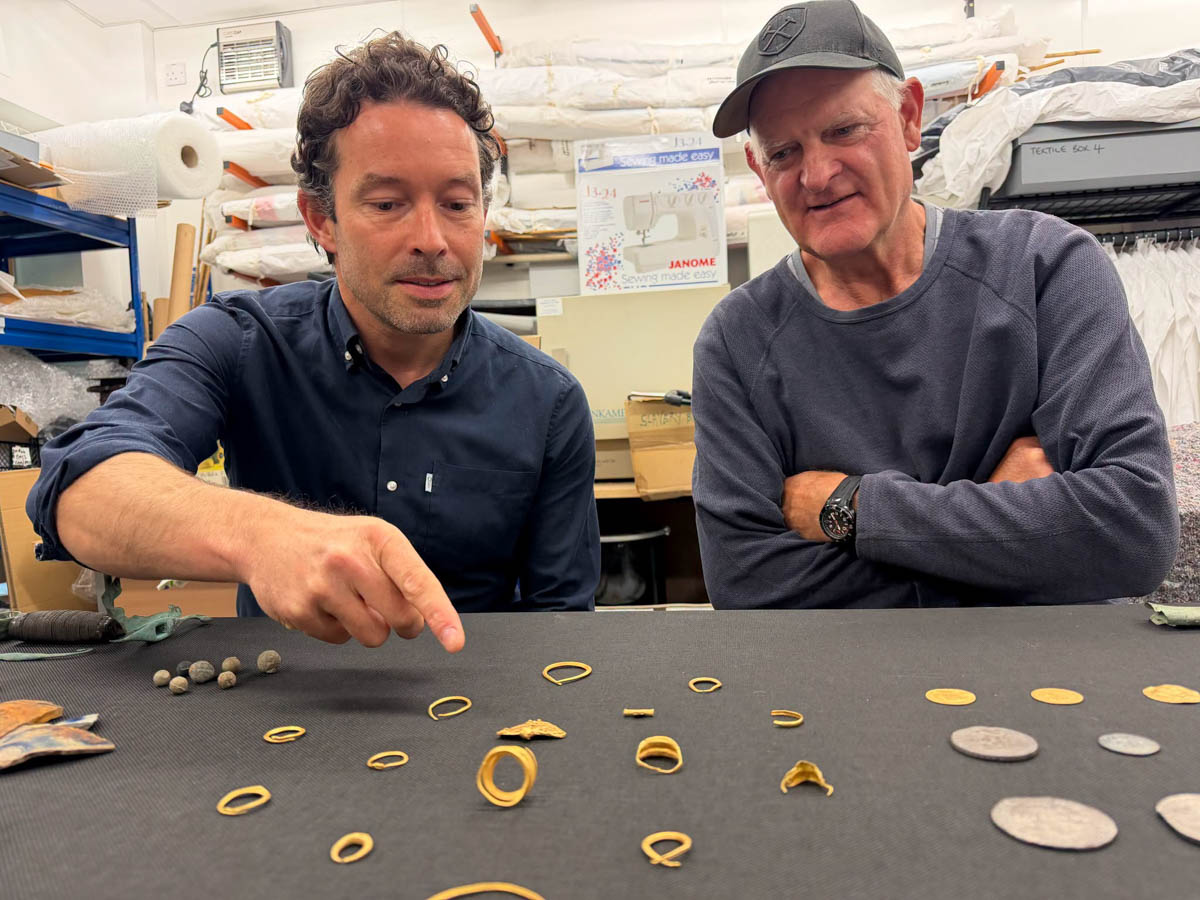

A collection of gold jewellery, silver coins and other artefacts recovered from a long-lost East India Company shipwreck will soon go on display at the Isles of Scilly Museum after being donated by the diver who helped solve the vessel’s centuries-old mystery.
The artefacts originate from the wreck of the Phoenix, an East Indiaman that sank off the Isles of Scilly in January 1680 while returning from China. More than three centuries later, maritime researcher, diver and author Todd Stevens identified the wreck site, helping to shed new light on one of the region’s historic maritime losses.
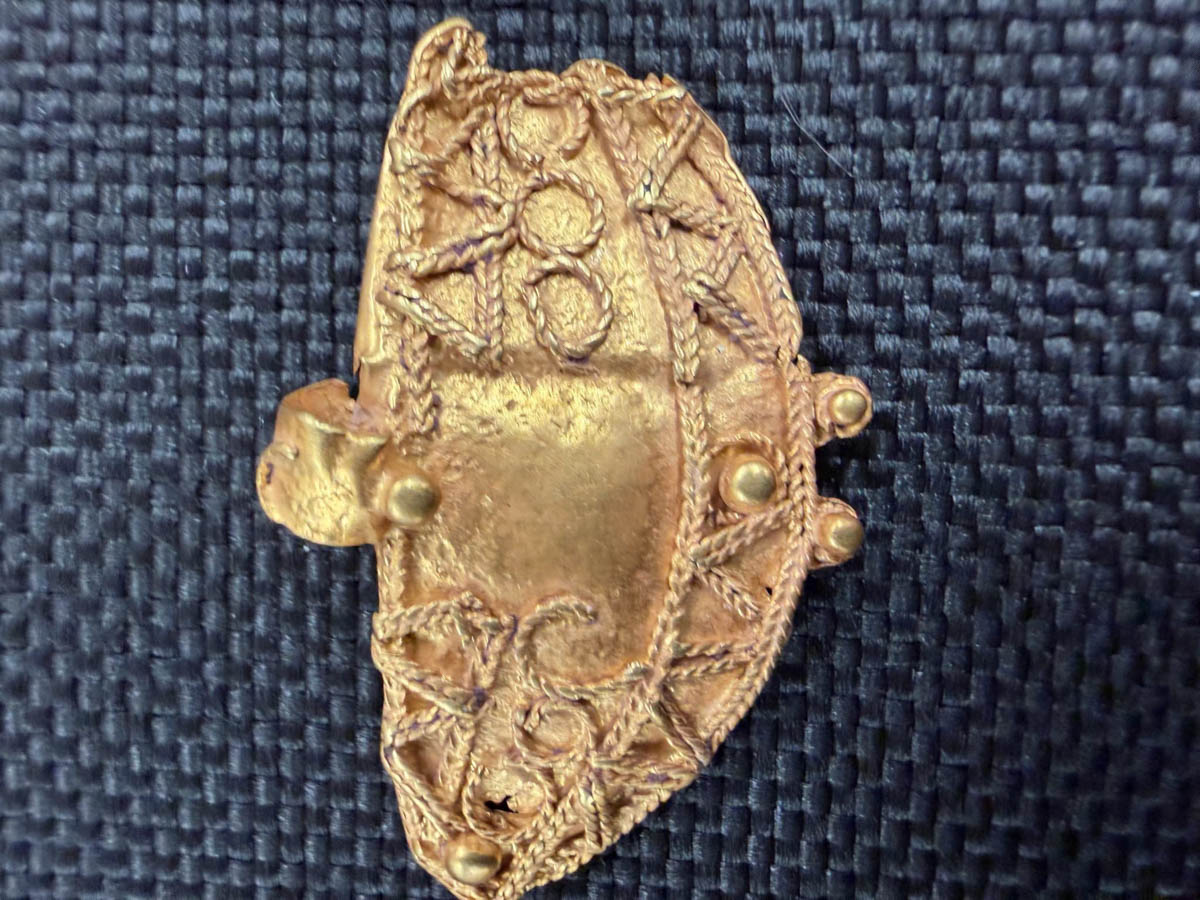
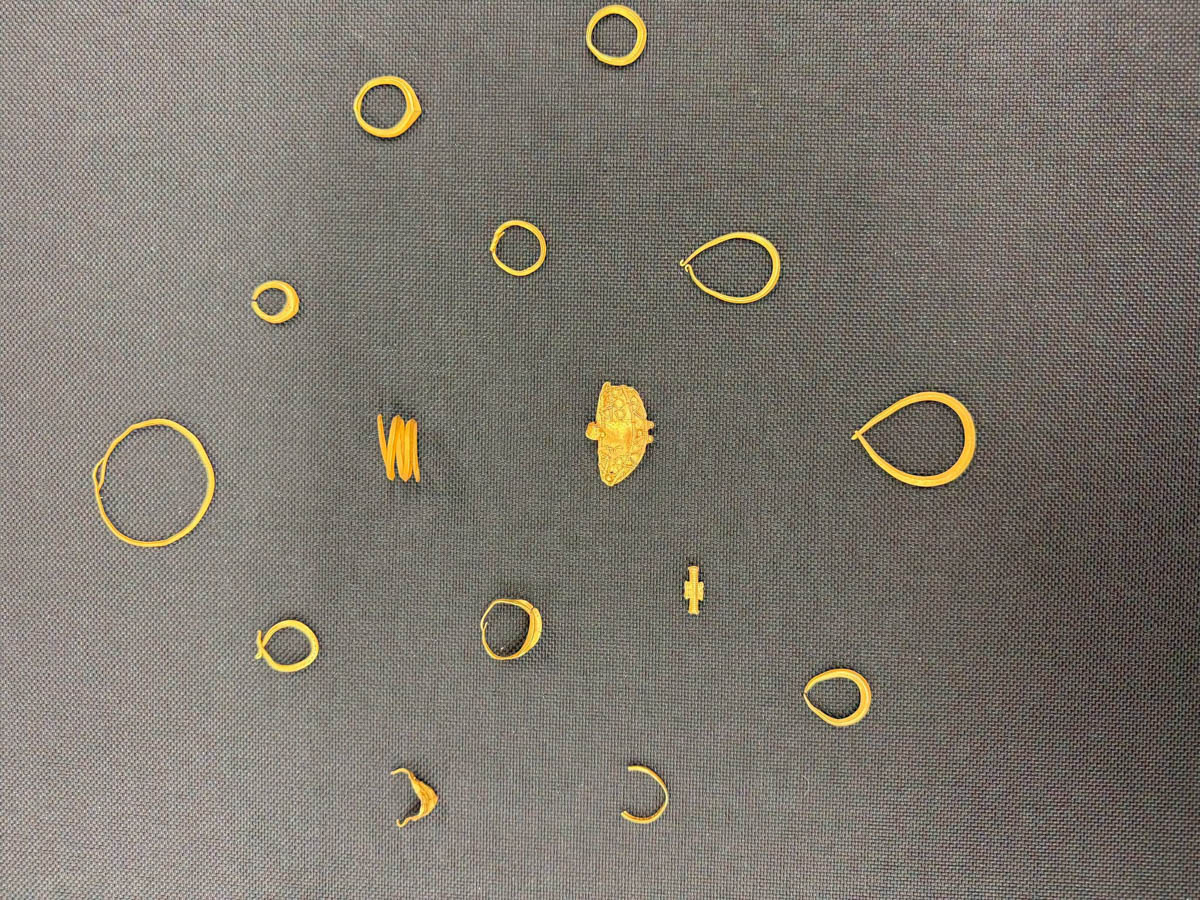
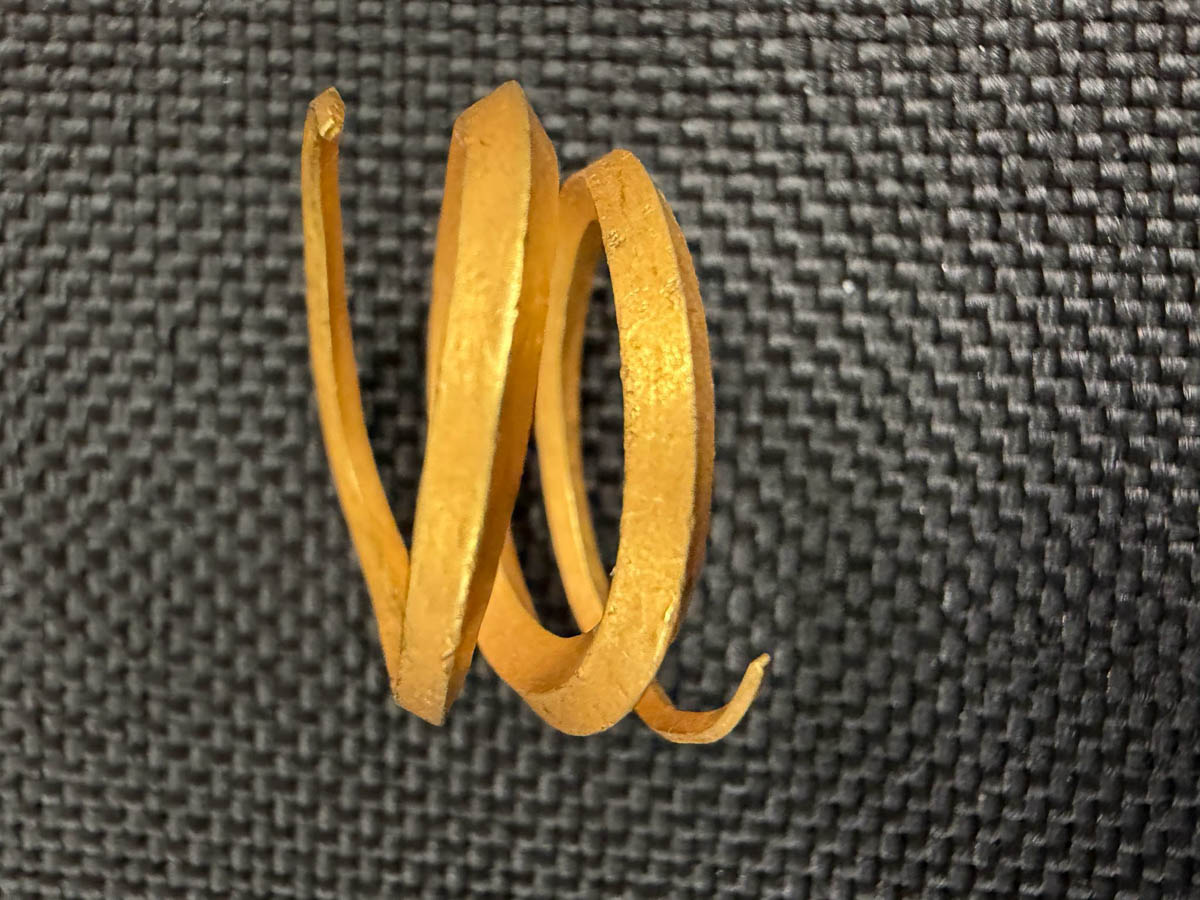
The donation includes a remarkable collection of artefacts recovered from the site, including gold jewellery and silver coins that survived more than 340 years beneath the sea. The collection has now been handed to the Isles of Scilly Museum, where it will become part of a new public display celebrating the islands’ rich maritime heritage.
For divers, the story highlights the important role that recreational divers and independent researchers can play in maritime archaeology. While many historic shipwrecks remain unidentified, careful archival research combined with underwater exploration can help connect archaeological sites with the vessels lost there centuries ago.
The Phoenix was one of the many ships operated by the English East India Company during the Age of Sail. Historical records indicate that the vessel was returning from a trading voyage to China when it was lost on the notoriously hazardous rocks surrounding the Isles of Scilly.
The waters around the islands have claimed hundreds of ships over the centuries and remain one of Britain’s most significant maritime archaeological regions. Storms, hidden reefs and powerful tides created a deadly combination for sailing vessels navigating the approaches to the English Channel.
According to the Isles of Scilly Museum, the newly donated artefacts will form part of displays in its new museum and cultural centre, allowing visitors to view objects that have remained hidden beneath the sea for generations.
The donation represents more than a collection of valuable artefacts. It is the culmination of years of historical research and underwater investigation that helped identify a lost ship and return a portion of its story to the public.
For the diving community, it serves as a reminder that shipwrecks are more than dive sites. They are time capsules that continue to reveal new chapters of maritime history, even centuries after they disappeared beneath the waves.
