


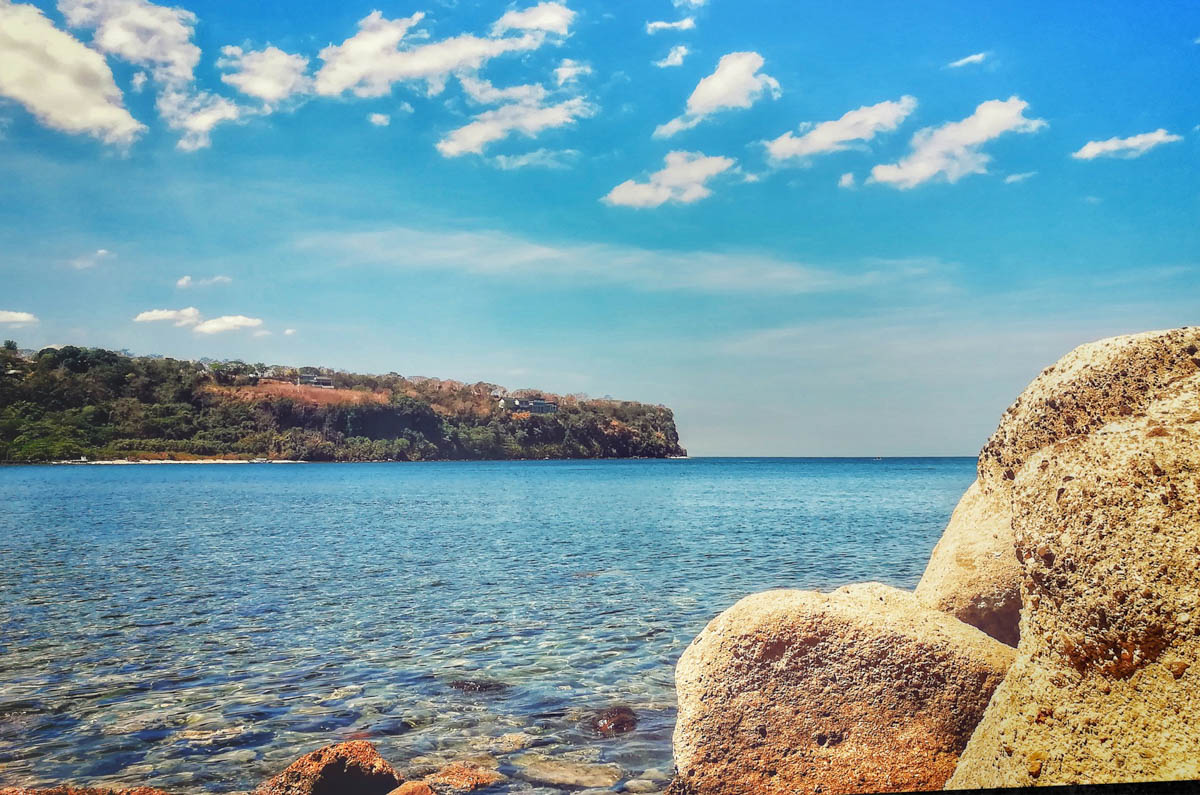
The Philippines is a tropical paradise made up of over 7,000 islands, each offering its own unique charm and natural beauty. From crystal-clear waters and vibrant coral reefs to hidden lagoons and pristine white-sand beaches, this Southeast Asian archipelago is a dream destination for adventure seekers and beach lovers alike. Whether you’re a first-time visitor or a seasoned traveler, exploring multiple islands in one trip will give you an unforgettable experience that showcases the best of what this incredible country has to offer.
Choosing Your Island Hopping Destinations
The first step in planning your adventure is deciding which islands to visit. Popular starting points include Palawan, known for its dramatic limestone cliffs and underground rivers, and Cebu, which serves as a convenient hub for reaching nearby islands. The Visayas region, particularly around Bohol and Negros, offers excellent diving opportunities and the famous Chocolate Hills.
For those seeking less crowded destinations, consider Siargao for its world-class surfing and laid-back vibe, or Camiguin, a volcanic island with natural hot springs and waterfalls. Each region has its own character, so research what activities and landscapes appeal to you most before committing to an itinerary.
Don’t try to pack too many islands into one trip. It’s better to thoroughly explore three or four islands than to rush through seven or eight, spending most of your time in transit rather than enjoying the destinations.
Best Time to Visit
Timing your trip correctly can make or break your experience. The dry season, from November to May, is generally the best time for island hopping Philippines adventures, with calm seas and sunny skies making boat transfers safe and enjoyable. March, April, and May offer the warmest weather but can be quite hot and humid.
The wet season, from June to October, brings typhoons and heavy rainfall, particularly from August to October. While you might find better deals during this period, rough seas can cancel boat trips and limit your ability to move between islands. Some resorts and tour operators even close during these months.
December to February offers a sweet spot with pleasant temperatures and lower humidity, though it’s also peak tourist season. Book accommodations and tours well in advance if you’re traveling during these months.
Getting Around Between Islands
Domestic flights are the fastest way to cover long distances between major islands. Budget carriers like Cebu Pacific and AirAsia offer affordable connections between popular destinations. However, flights can be delayed or cancelled, so build flexibility into your schedule.
Ferry services connect most inhabited islands and are significantly cheaper than flying. Options range from large passenger ferries with air-conditioned cabins to smaller bangka boats for shorter journeys. Always check weather conditions before boarding, and don’t hesitate to postpone travel if seas look rough.
For shorter distances and day trips, hiring a private boat gives you the most flexibility. Many resorts and tour operators offer island hopping packages that include boat rental, guide services, and sometimes lunch. This is often the most convenient option for exploring nearby islands and hidden beaches.
Essential Packing Tips
Pack light, as you’ll be moving between islands frequently. A good-quality backpack or soft duffel bag is easier to manage than a hard-shell suitcase, especially when boarding small boats. Bring reef-safe sunscreen to protect both your skin and the delicate marine ecosystems you’ll be exploring.
Water shoes or aqua socks are invaluable for rocky beaches and coral areas. A waterproof phone case or dry bag will protect your electronics during boat rides and beach activities. Don’t forget a reusable water bottle to stay hydrated while reducing plastic waste.
Basic medications, including motion sickness pills, should be in your kit. Many smaller islands have limited medical facilities and pharmacies, so bring anything you might need from home.
Respecting Local Communities and Environment
The Philippines’ natural beauty is fragile and requires conscious effort to preserve. Never touch or stand on coral reefs, and avoid tours that feed or harass wildlife. Take all trash with you when leaving beaches and snorkeling sites.
Support local communities by staying in locally-owned accommodations, eating at family-run restaurants, and hiring local guides. This ensures your tourism dollars benefit the people who call these islands home. Learn a few basic Tagalog phrases to show respect and connect with locals.
Be mindful of water usage, especially on smaller islands where fresh water is scarce. Many islands rely on rainwater collection or expensive desalination, so take quick showers and reuse towels when possible.
Making the Most of Your Adventure
The Philippines offers an island hopping experience unlike any other in the world. With proper planning, respect for local culture and environment, and a spirit of adventure, you’ll create memories that last a lifetime. Start researching your destinations today, and prepare for the tropical journey of a lifetime across these magnificent islands.
Comments