



What would you tell someone living a thousand years from now about the underwater world you experienced today?
A new international initiative from Rubelis is inviting scuba divers to contribute their personal observations of the ocean to a historical record intended to survive for the next millennium.
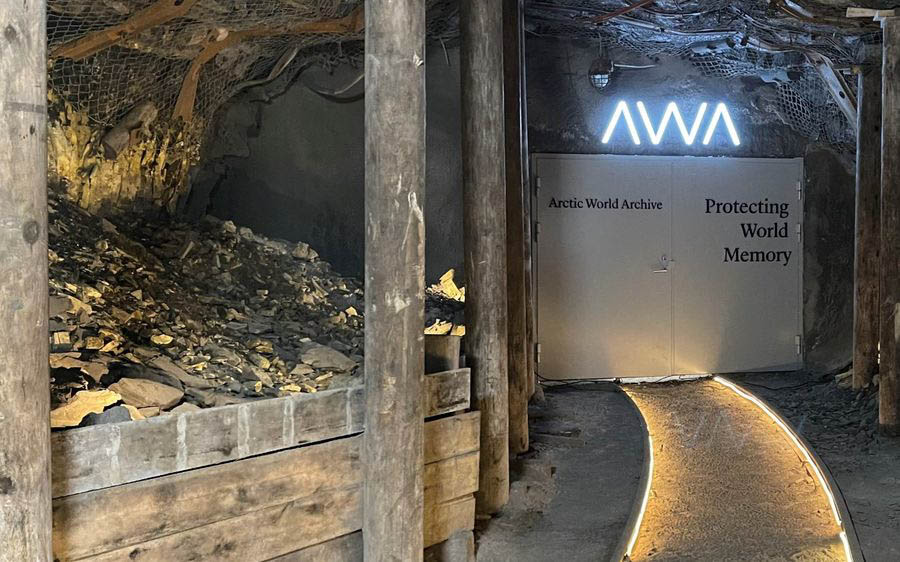
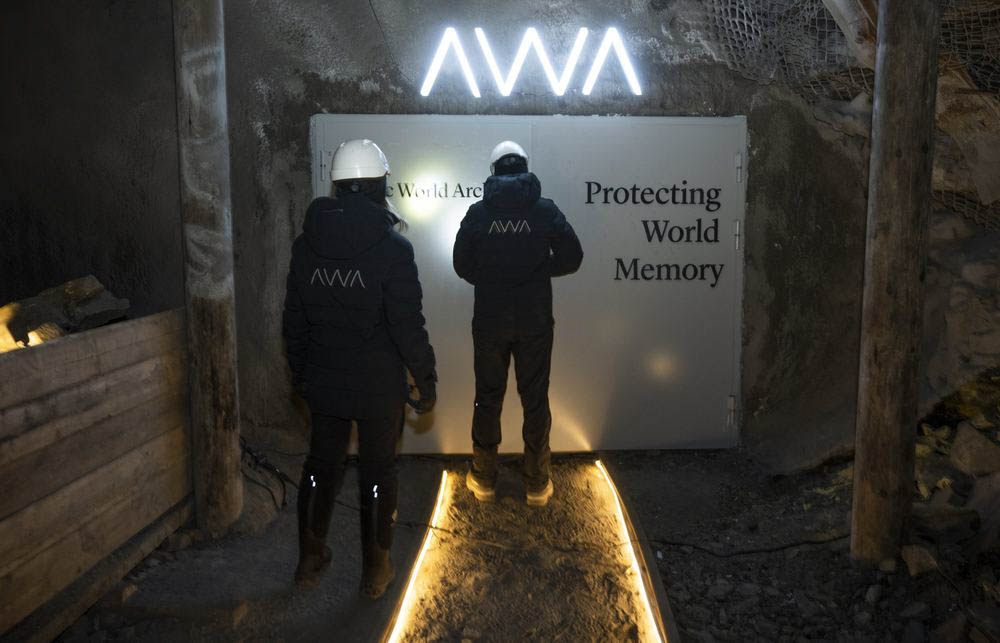
The project, called One Sentence to 3027, aims to preserve the firsthand experiences of divers in the Arctic World Archive, a long-term data preservation facility located inside a former coal mine in Svalbard, Norway.
Rather than collecting photographs or videos, the initiative asks divers to describe something they noticed underwater in a single sentence of no more than 280 characters.
Preserving the Underwater World Through the Eyes of Divers
From encounters with marine life to changes in coral reefs, seagrass meadows, water temperatures and marine pollution, divers regularly witness aspects of the underwater environment that many people never experience.
While underwater photography provides an important visual record, Rubelis believes written observations can capture something different: what individual divers noticed and considered significant during their time beneath the surface.
“A photograph shows what the camera saw. A sentence shows what the diver noticed,” said Taylan Kırali, founder of Rubelis and a PADI IDC Staff Instructor based in Istanbul.
“We are not asking for poetry or for science. We are asking divers to be honest about one moment. Put together, those moments become a record of what our seas were like, written by the people who were there.”
Participation is free, and contributors can optionally include information about their dive location, date, maximum depth, water temperature and visibility.
Submissions will be reviewed before acceptance, with approved contributions published online under each participant’s chosen alias and country.
From a Dive Log to an Arctic Mountain Vault
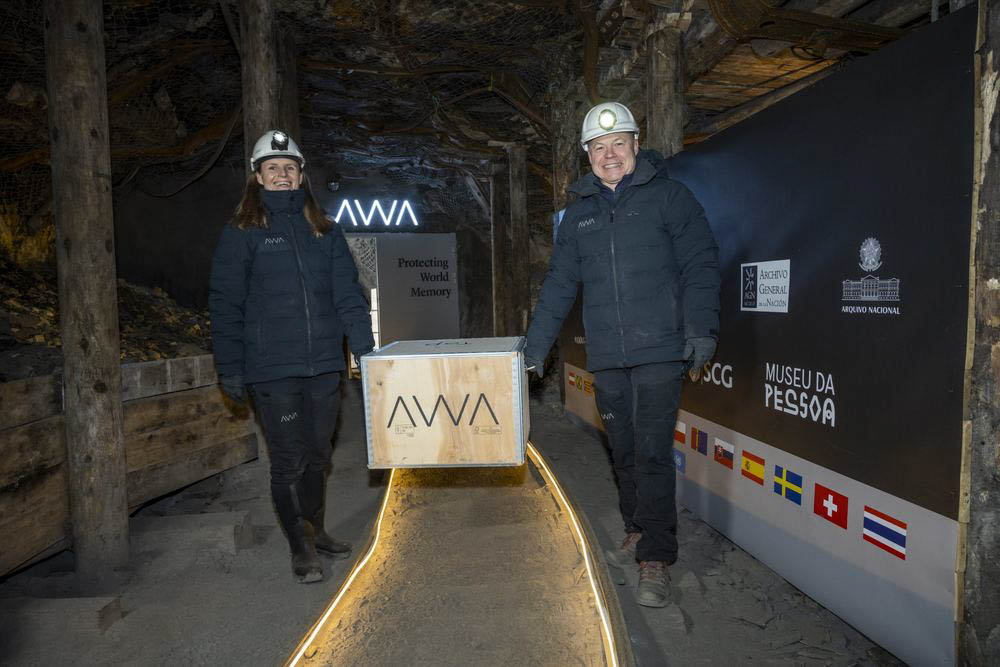
The collection period will run until 31 December 2027, with Rubelis planning to compile the approved contributions into a single archival volume for deposit in early 2028.
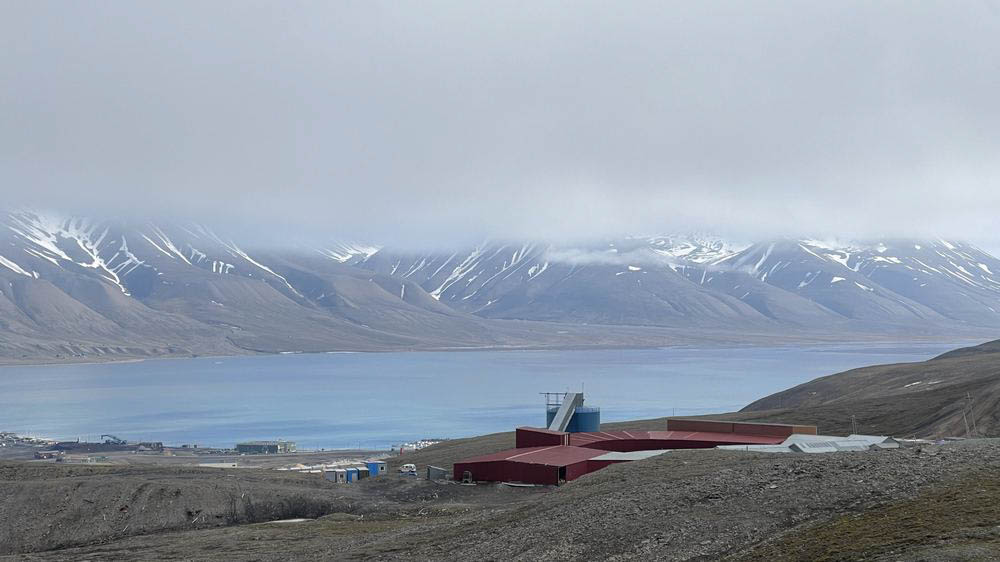
The intended destination is the Arctic World Archive, located inside a decommissioned coal mine near Longyearbyen in the Norwegian archipelago of Svalbard.
Established in 2017, the archive was developed to protect important cultural, historical and digital records for future generations.
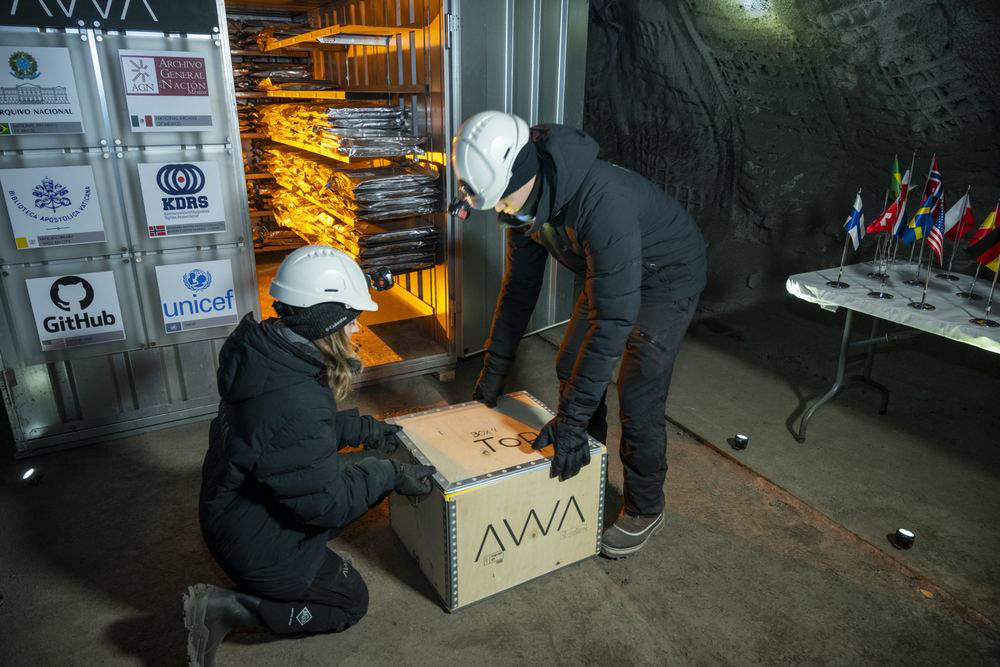
Its collections include material from internationally recognised institutions, national archives and organisations, ranging from cultural heritage collections to open-source software.
Rubelis plans to preserve the divers’ contributions using piqlFilm, a specialised archival medium designed for long-term, offline data preservation. Under the conditions within the archive, the technology is intended to preserve information for at least 1,000 years.
The resulting collection could provide future generations with a personal account of the underwater environment as experienced by divers in the early 21st century.
Connecting Personal Observations With Citizen Science
One Sentence to 3027 forms part of a broader effort by Rubelis to encourage more deliberate observation of the marine environment.
The company recently received approval for its Rubelis Presence Diver programme as a PADI Distinctive Specialty and is also developing its Presence Survey Network, a citizen-science initiative incorporating standardised underwater observations into diver training.
The network began pilot activities at three locations in Istanbul in November 2026, with plans to involve partner dive centres in other regions from 2027.
Rubelis also intends to include openly available data from the network in future archival deposits, creating a record that combines personal observations with structured environmental data.
Further information about the survey methodology is available through the Presence Survey Network documentation.
A Worldwide Camera-Free Dive Day in 2027
The initiative will also connect with Camera-Free Dive Day, a worldwide event planned for 4 September 2027.
Divers will be encouraged to leave their cameras behind for one dive and focus their attention entirely on the underwater environment.
Observations recorded following these dives will also be eligible for inclusion in the archive, subject to the contributor’s consent.
“Future researchers will have satellite images and sensor data from our time,” said Kırali. “What they will not have, unless we write it down now, is what it was like to be in the water and look. That is what divers can give them.”
How Divers Can Take Part
Participation in One Sentence to 3027 is open to divers worldwide and is free of charge.
Contributors can submit their observations directly through the Rubelis website, with no requirement to purchase training or participate in a paid programme.
Submissions will remain open until 31 December 2027, and contributors can withdraw their observations up to that date.
Whether it is an encounter with a remarkable marine animal, an observation about the changing health of a familiar reef or simply a moment that captures the experience of being underwater, the project offers divers an opportunity to leave something behind for generations they will never meet.
To contribute your own underwater observation, visit One Sentence to 3027.
