


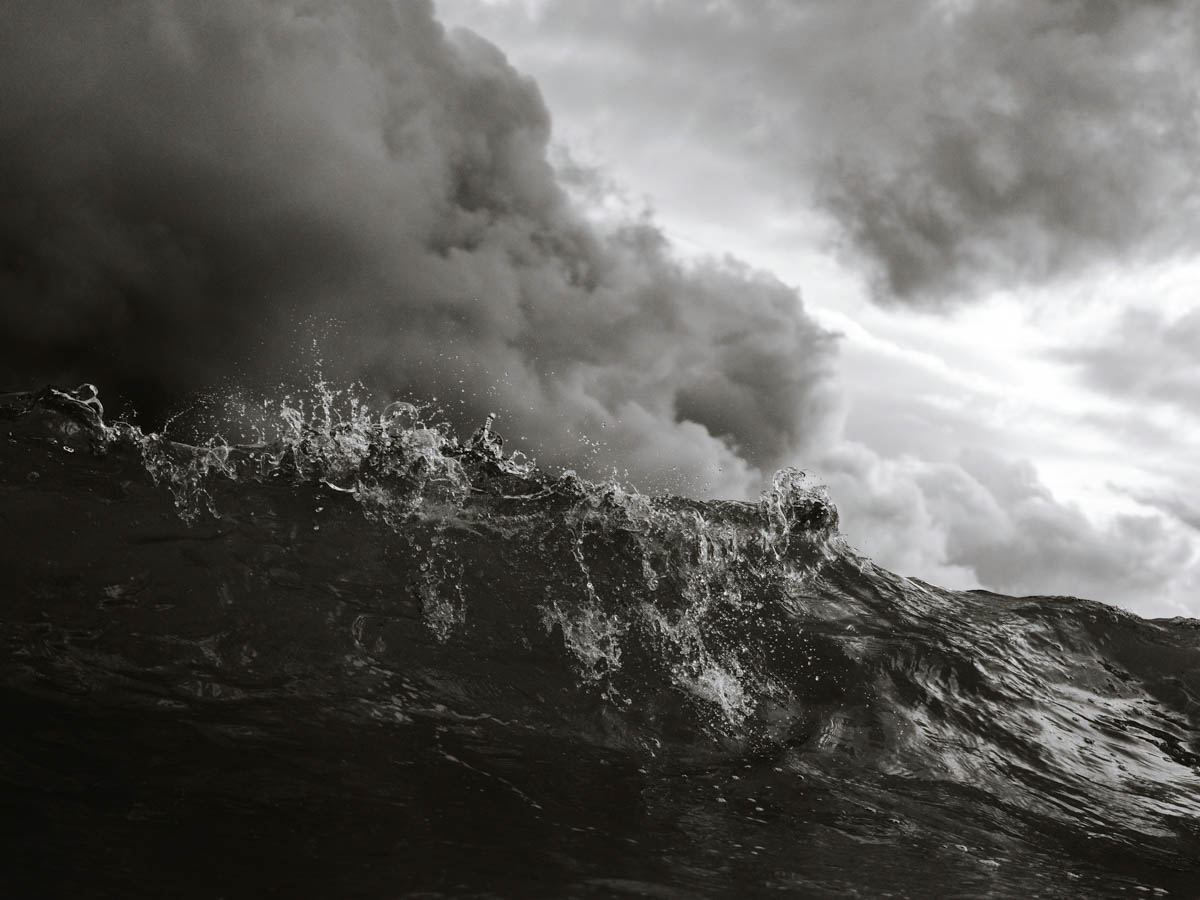

Striking Prince Edward Island and the Gulf of St. Lawrence on the evening of October 3, 1851, a violent two-day storm known as the Yankee Gale stands as the most devastating maritime calamity in the island’s recorded history. The tempest proved particularly deadly because it caught a large portion of the New England fishing fleet off guard while they were harvesting local waters—an association that inspired the disaster’s name. By the time the weather cleared, the storm had claimed at least 150 lives and shattered more than 74 vessels.
Eyewitness reports, including a comprehensive narrative by James D. Lawson in the Prince Edward Island Magazine, noted that the disaster began under deceivingly pleasant conditions, with calm breezes and clear skies. However, warning signs soon emerged on the afternoon of October 3 as a strange, brassy tint tinted the northwestern horizon. Rolling ocean swells and rising winds began gathering from the southeast before veering northeast later that night, quickly escalating into a severe gale.
Atmospheric pressure dropped sharply across the region, a Nova Scotia barometer recorded a plunge of roughly 31 hPa (nearly an inch of mercury) over a 23-hour span. Ship captains’ logs confirm that the furious winds battered the Gulf of St. Lawrence for almost 48 hours. Remarkably, this destruction struck less than half a year after the Minot’s Light Storm, another catastrophic gale that had ravaged the Gulf and destroyed the Cohasset lighthouse off Massachusetts.
While the cyclone left mainland areas largely untouched, it wreaked havoc on open water. Captains at sea recognized the incoming danger and attempted to escape around Prince Edward Island’s eastern shore, but powerful northeasterly gales cut off their path. Vessels trying to hold their ground had their sails shredded by the gale-force winds, leaving them helpless as they drifted toward the coast. Vessels anchored in harbor fared no better; many foundered where they sat or capsized after colliding with loose ships drifting through the storm.
The American fishing fleet bore the brunt of the devastation, losing a minimum of 74 vessels and 150 sailors. Today, the graves of those who perished in the disaster remain preserved in a cemetery near the Cape Tryon lighthouse.
Beneath those waves lie the submerged remnants of vessels that were denied a safe return.
This was the calamity of the 1851 Yankee Gale: a catastrophe that united two nations in grief and permanently etched its legacy into the coastlines of Prince Edward Island. It remains an enduring testament to the realities of the North Atlantic: an ocean that grants livelihoods, yet offers no guarantee of mercy.