




In a move that reflects a broader shift in how the diving industry is perceived, PADI has been named one of the most influential sustainability companies of 2026 by TIME, earning a place on the publication’s inaugural TIME100 Companies Industry Leaders list.
The recognition places the world’s largest diver training organisation alongside major global players in sustainability, signalling that diving is no longer viewed purely as a recreational activity, but as a meaningful contributor to environmental change.
A Shift From Training Agency to Global Movement
For decades, PADI has been synonymous with entry-level scuba certifications. That alone would not have earned it a place on a list built around impact and innovation. What has changed, and what TIME has clearly recognised, is the organisation’s evolution into something far more influential.
With more than 31 million certifications issued since 1966 and a network responsible for training the majority of the world’s divers, PADI now sits at a unique intersection of travel, education, and conservation. That scale gives it something few organisations have, direct access to millions of people entering the ocean every year.
Rather than simply enabling those experiences, PADI has increasingly positioned itself as a gateway to ocean stewardship.
Turning Divers Into Data and Influence
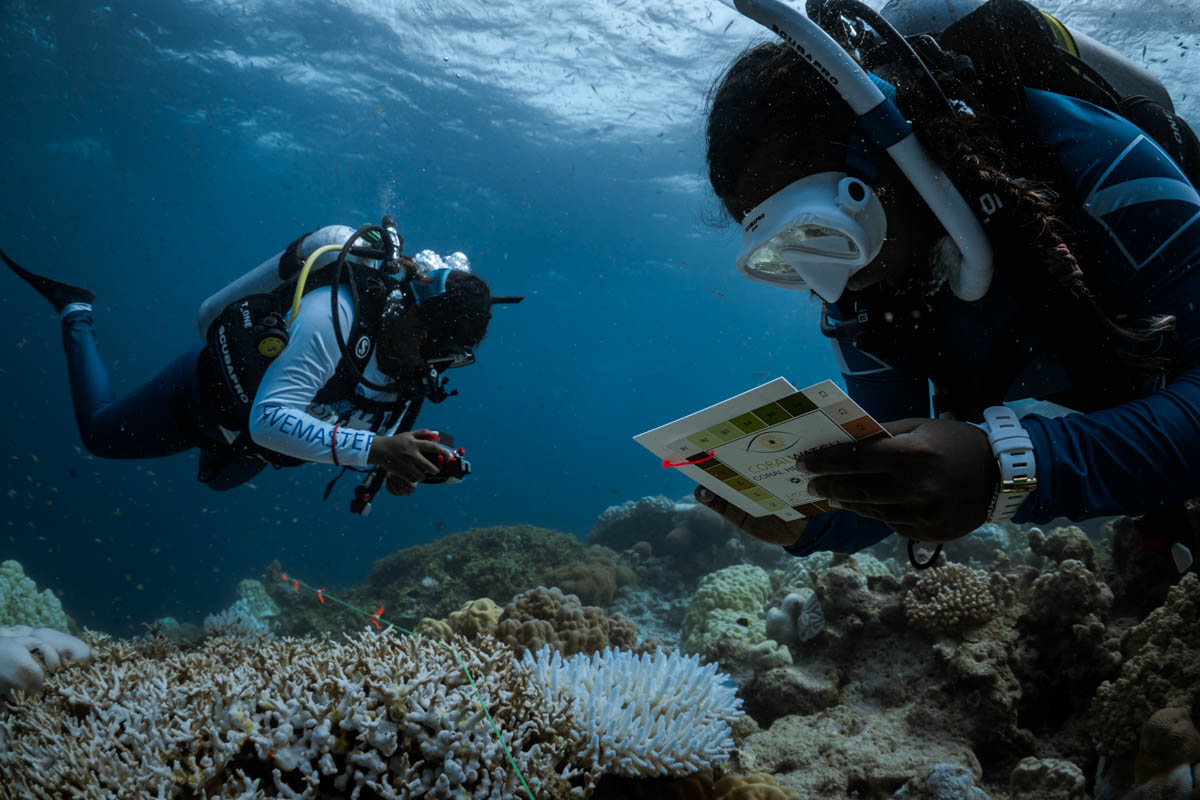
A key factor behind the recognition is PADI’s growing role in citizen science and environmental monitoring. Through its Conservation Action Portal, divers are no longer just visitors to marine environments, they are contributors.
Real-world observations collected by divers are being used to support datasets that can inform conservation decisions, policy discussions, and long-term environmental planning. This is a subtle but important shift. It reframes diving from passive observation to active participation in protecting the ocean.
It also aligns with a wider industry trend, where travel experiences are increasingly expected to have purpose beyond the experience itself.
Redefining Dive Tourism
TIME’s acknowledgement highlights another area where PADI is exerting influence, the direction of dive tourism.
The traditional model of dive travel has long been built around access, destinations, and marine life encounters. What is now emerging, and what PADI has leaned into, is a model where conservation and sustainability are embedded into the experience itself.
This includes advising on how dive destinations are developed, encouraging responsible practices among operators, and aligning diver expectations with environmental responsibility.
For an industry that relies entirely on healthy oceans, this is less about branding and more about long-term survival.
Why This Recognition Matters
Awards and lists come and go, but this one carries weight for a simple reason. TIME’s selection process focuses on measurable impact, innovation, ambition, and real-world success.
Being included alongside companies shaping global sustainability conversations suggests that diving, as an industry, is being taken more seriously at a global level.
It also reinforces something many in the sector have been working towards for years, positioning divers not just as consumers of ocean experiences, but as part of the solution.
A Strategic Moment for PADI
The timing is not accidental. The recognition comes as PADI marks its 60th anniversary, a milestone that naturally invites reflection on where the organisation has come from and where it is heading.
Under the leadership of Drew Richardson, the focus has increasingly shifted toward scaling impact through its global community. The long-stated ambition of creating a billion ocean advocates, or “Torchbearers,” is ambitious, but recognition like this suggests the strategy is gaining traction.
The Bigger Picture for the Diving Industry
This is not just a PADI story. It is a signal to the wider diving industry.
Recognition at this level reinforces that sustainability is no longer a secondary narrative or a marketing add-on. It is becoming central to how the industry is evaluated, both by global institutions and increasingly by divers themselves.
For operators, liveaboards, and destinations, the direction of travel is clear. Environmental responsibility is not just expected, it is becoming a defining factor in long-term relevance.
And for divers, it reinforces a simple idea. Every dive has the potential to be more than just a moment underwater.
Comments