





The Shark Trust and the British Sub-Aqua Club have announced a new partnership aimed at unlocking one of the ocean’s lesser-known mysteries, where sharks and skates lay their eggs.

Revealed following discussions at the Go Diving Show, the collaboration brings together one of the UK’s leading marine conservation charities with its largest diving club network. The goal is clear, to harness the unique access divers have to the underwater world and turn it into meaningful conservation data.
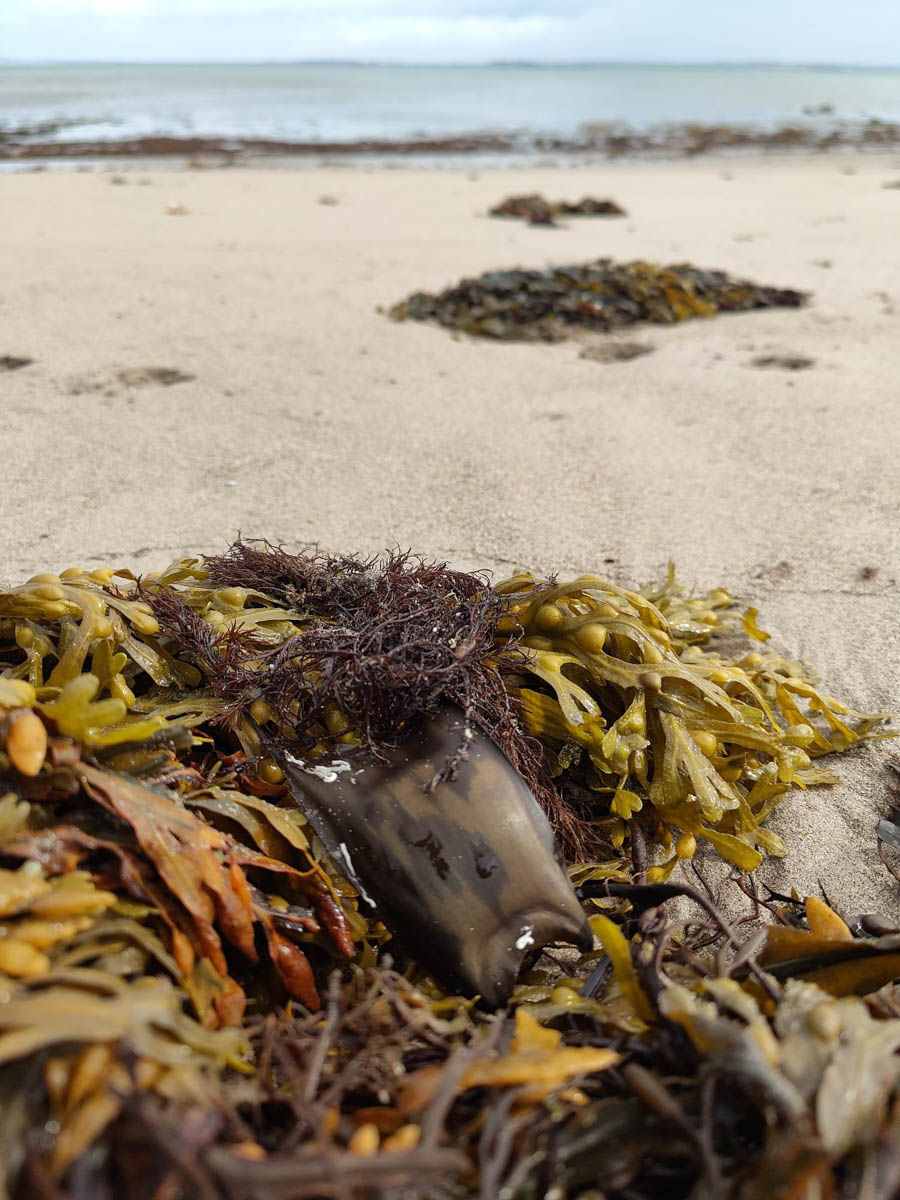
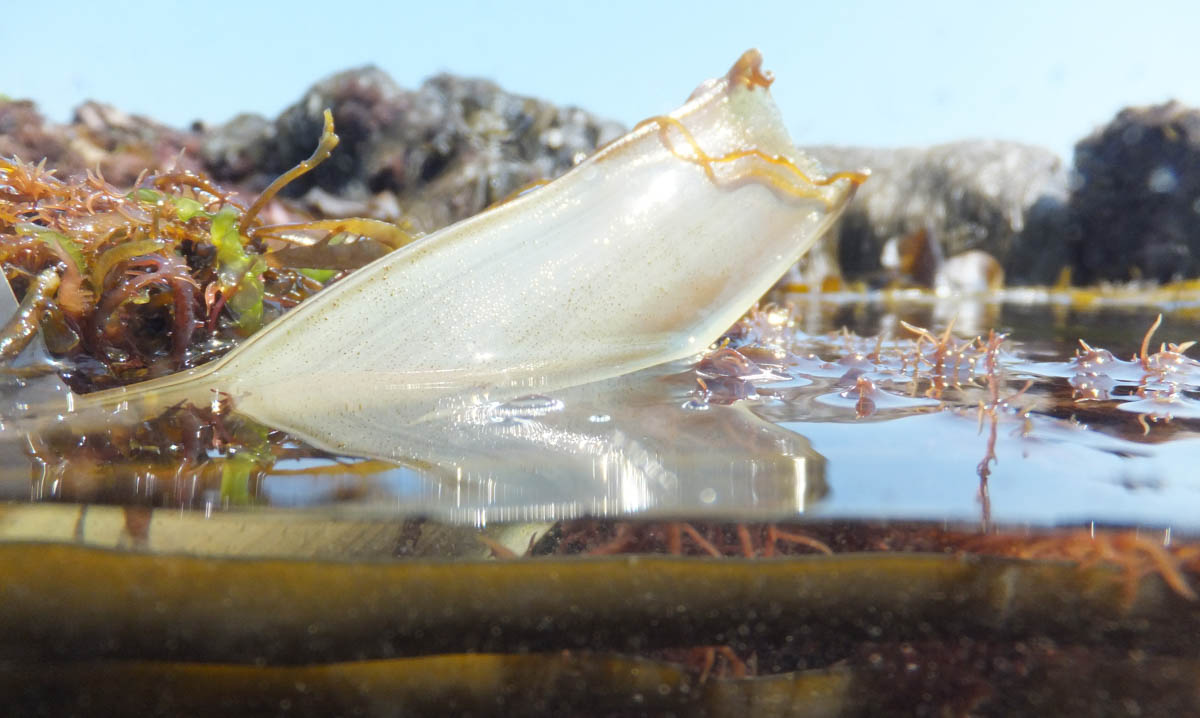
At the heart of the initiative is the Shark Trust’s long-running Great Eggcase Hunt, a citizen science project that invites people to search for so-called mermaid’s purses, the eggcases of sharks and skates, along coastlines. Over the past two decades, more than 600,000 eggcases have been recorded. Yet, despite this success, a critical gap remains.
According to the Shark Trust, just 0.7 percent of those records come from underwater observations, where eggcases are still developing and attached to habitats such as seaweed or the seabed. This is where divers and snorkellers can play a vital role.
Senior Conservation Officer Cat Gordon highlighted the importance of these sightings, explaining that underwater eggcases provide the missing link between what washes ashore and the habitats essential for early life stages. By identifying where egg-laying actually occurs, conservationists can better understand and protect these vulnerable species and the environments they depend on.
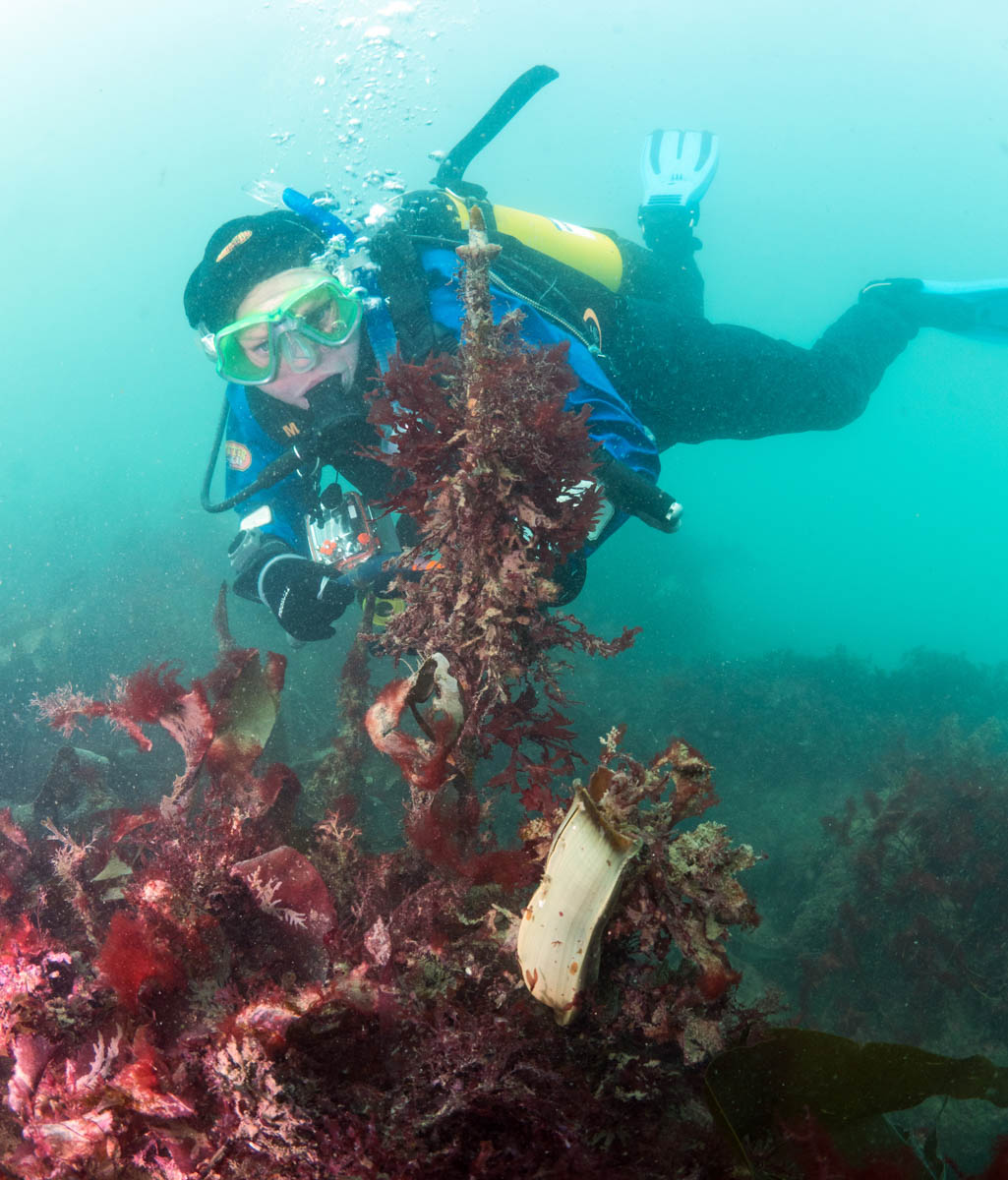
For BSAC clubs, participation is expected to fit naturally alongside existing activities. Many already organise beach cleans and environmental initiatives through their Marine Champions network, making eggcase hunts a simple extension of ongoing efforts. However, the real opportunity lies beneath the surface.
Divers are being encouraged to record eggcases seen in situ, particularly those attached to natural substrates. These observations can then be submitted through the Shark Trust’s online Recording Hub, contributing to a growing global dataset.
The partnership also extends beyond eggcases. BSAC will actively promote the Great Shark Snapshot, scheduled for 18 to 26 July 2026, which encourages divers worldwide to log sightings of sharks, skates and rays during a dedicated week of data collection. The initiative aims to build a clearer picture of species distribution while encouraging year-round reporting through the Shark Log Sightings Database.
Katherine Knight, Chair of BSAC’s Environment Committee, described the collaboration as an opportunity to fill a crucial data gap. She noted that divers bring a unique perspective, allowing them to observe marine life and habitats that are otherwise difficult to monitor. The data collected, she added, has the potential to drive real change in how these species are protected.
Early engagement suggests strong momentum. The Shark Trust has already joined BSAC Marine Champion meetings, receiving an enthusiastic response from clubs eager to get involved. Both organisations now hope to see a steady flow of data not only from UK waters but from divers operating globally.
For the wider diving community, the message is straightforward. Every dive has the potential to contribute to conservation. Whether spotting a developing eggcase or logging a shark encounter, small observations can build into a powerful dataset that helps shape the future of marine protection.
As citizen science continues to grow in importance, this partnership highlights how divers are no longer just observers of the underwater world, but active participants in its preservation.
Comments