




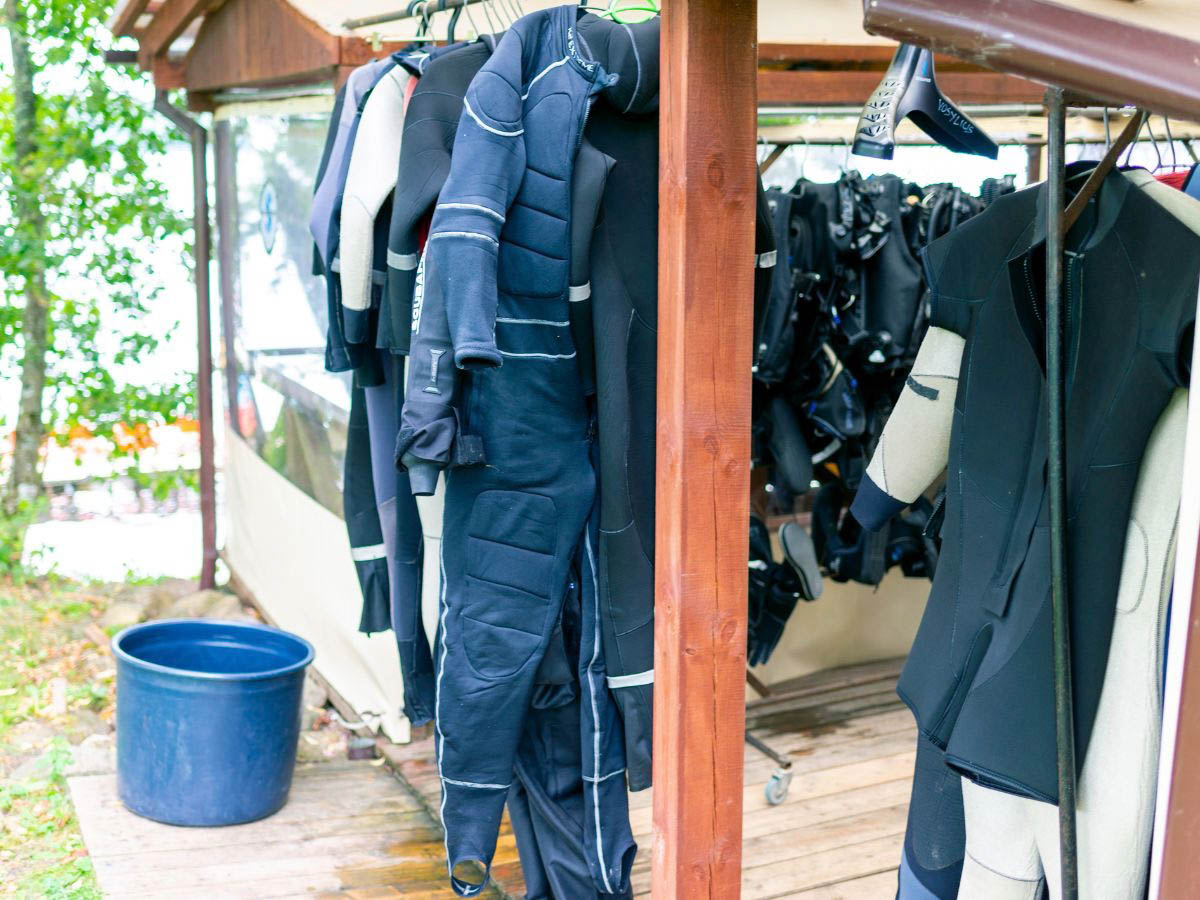

For scuba divers, comfort and thermal protection can make the difference between an enjoyable dive and one that ends early because of cold or restricted movement. A wetsuit helps maintain body temperature while also protecting skin from abrasions, marine life, and environmental exposure. Because dive environments vary widely, choosing a wetsuit for scuba diving requires divers to consider several practical factors rather than simply selecting a suit that looks comfortable.

1. Consider the Water Temperature
Water temperature is the primary factor that determines which wetsuit a diver should wear. Different thicknesses of neoprene provide varying levels of insulation, helping divers stay warm throughout the dive.
Selecting the correct thickness helps divers maintain comfort and reduces heat loss during longer dives. Divers typically use the following general guidelines when selecting wetsuit thickness:

- 1–3 mm wetsuits: Work best in warm tropical waters (around 75°F / 24°C and above)
- 5 mm wetsuits: Perform well in moderate temperatures between 65–75°F (18–24°C)
- 7 mm wetsuits: Provide insulation for colder waters where divers need additional thermal protection
2. Focus on Proper Fit
Fit plays a major role in how effectively a wetsuit performs underwater. A properly fitted wetsuit should feel snug against the body without limiting movement or breathing. Divers should look for several indicators of a good fit when trying on a wetsuit:
- The suit sits close to the body without loose gaps
- Arms and shoulders move freely for swimming and gear adjustments
- The neck and wrist seals feel secure without causing discomfort
When a wetsuit fits properly, a thin layer of water remains between the suit and the diver’s body. The diver’s body heat warms this water layer, improving insulation and overall dive comfort.
3. Pay Attention to Material and Construction
Manufacturers typically use neoprene to produce wetsuits because it offers strong insulation and flexibility. However, construction quality can vary between different suits and brands. Divers should evaluate several construction features that influence durability and performance:
- Reinforced knee or seat panels that resist wear
- Sealed or glued seams that reduce water entry
- Flexible neoprene panels that improve mobility
Some suits also target specific water activities. For example, the NRS 3mm Grizzly Wetsuit uses 3 mm neoprene insulation and reinforced construction features that handle demanding water environments while maintaining flexibility.
4. Choose the Right Style
Manufacturers produce wetsuits in several styles to accommodate different diving conditions and personal preferences. Understanding these styles helps divers select equipment that matches the type of diving they do most often. Divers commonly encounter the following wetsuit styles:
- Full suits: Cover the entire body and remain the most common option for scuba diving
- Shorties: Cover the torso and upper legs while leaving the arms and lower legs exposed
- Farmer John/Jane suits: Sleeveless suits that divers often layer with jackets for additional warmth
Most scuba divers prefer full suits because they provide stronger thermal protection and better coverage during reef or cold-water dives.
5. Think About Your Diving Environment
A diver’s typical dive environment also influences wetsuit selection. Coral reefs, rocky shore entries, and extended dive times may require additional protection or durability. Divers often prioritize the following features when selecting wetsuits for specific environments:
- Reinforced panels that resist abrasion
- Flexible materials that support extended swimming or technical dives
- Easy-entry zippers or closures that simplify gear changes
These features help divers stay comfortable and extend the lifespan of their wetsuit, especially during frequent dives.
Making the Right Choice
Ultimately, choosing a wetsuit for scuba diving involves balancing insulation, fit, durability, and comfort. When divers evaluate water temperature, suit construction, style, and diving environment, they can select a wetsuit that supports safe and enjoyable underwater exploration. A well-chosen wetsuit keeps divers warm, protects their skin, and allows them to focus fully on exploring the underwater world.
Comments