




Spending a few minutes in cold water is uncomfortable. Spending hours can be dangerous. Spending 36 hours underwater in cold conditions pushes the limits of what the human body is capable of enduring.
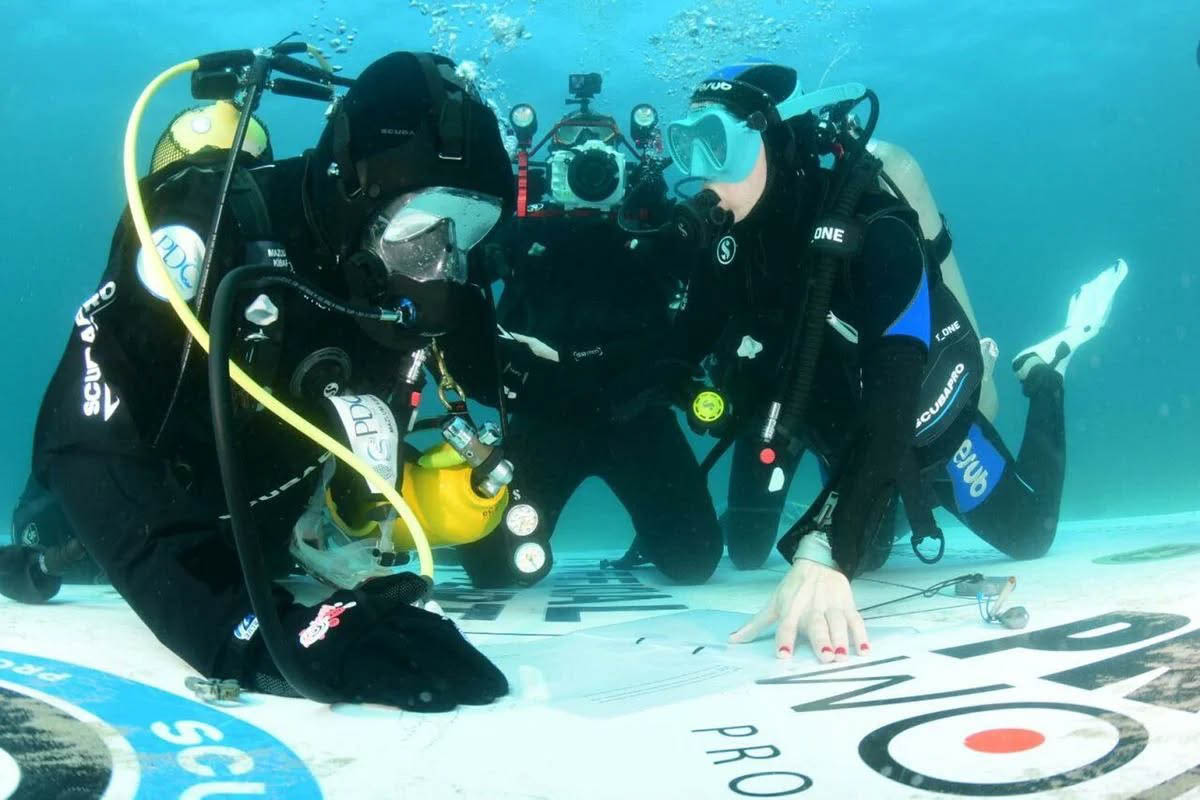
That is exactly what Turkish diver Mazlum Kibar has just done.
According to reporting from Türkiye Today, Kibar completed a 36-hour, 9-minute dive in waters of around 12°C off Gallipoli, in an attempt officially monitored for a world record. Coverage from Hürriyet Daily News confirms the dive took place at a depth of approximately seven metres and was tied to a national commemoration event.
This was not a typical dive. It was a controlled endurance operation.
A Dive That Became a Test of Survival
Remaining underwater for that length of time is not simply about breathing gas and staying submerged. It is about managing temperature, fatigue, hydration, and mental resilience over an extended period.
Cold water is the defining factor.
Even in relatively mild conditions, prolonged exposure can lead to progressive heat loss, reduced dexterity, and cognitive decline. Over time, these effects compound, increasing risk even in controlled environments.
In Kibar’s case, the dive was carefully managed. Medical support teams monitored him throughout, and communication was maintained while submerged. The dive remained shallow to reduce decompression complexity, but the physical strain of remaining in cold water for such a duration remained extreme.
The Cold Water Factor
For most divers, 12°C water is already firmly in drysuit territory. Extending exposure from minutes to hours, let alone more than a full day, changes the equation completely.
Thermal protection becomes critical. Even with high-quality exposure suits, the body continuously loses heat. Over time, that loss must be managed through planning, monitoring, and support.
This is where most recreational diving comparisons stop.
Because this kind of dive is not just longer. It is fundamentally different.
Endurance, Not Exploration
What makes this story compelling is not just the number, 36 hours, but what it represents.
This was not exploration. It was endurance.
The diver was not navigating reefs or wrecks. He was managing his body, his breathing, and his environment for an extended period under constant observation. Every hour added stress. Every hour required continued control.
And unlike many endurance challenges on land, the underwater environment removes margin for error.
Why This Story Matters
At first glance, this might seem like an extreme outlier. Something far removed from everyday diving.
But stories like this highlight something deeper.
They show how quickly conditions can become serious when time, exposure, and environment combine. They reinforce how important preparation, monitoring, and equipment are, even on a much smaller scale.
Because while most divers will never attempt anything close to this, the same principles apply:
- manage exposure
- understand limits
- prepare for changes
The difference is only one of scale.
For divers planning colder water dives, proper exposure protection is not optional. Equipment such as thermal undergarments and reliable drysuit systems, available through specialist retailers like Scuba.com, are designed to slow heat loss and extend safe dive time in challenging conditions, while a wide range of cold-water accessories and layering options can also be found on platforms like Amazon.
Comments