



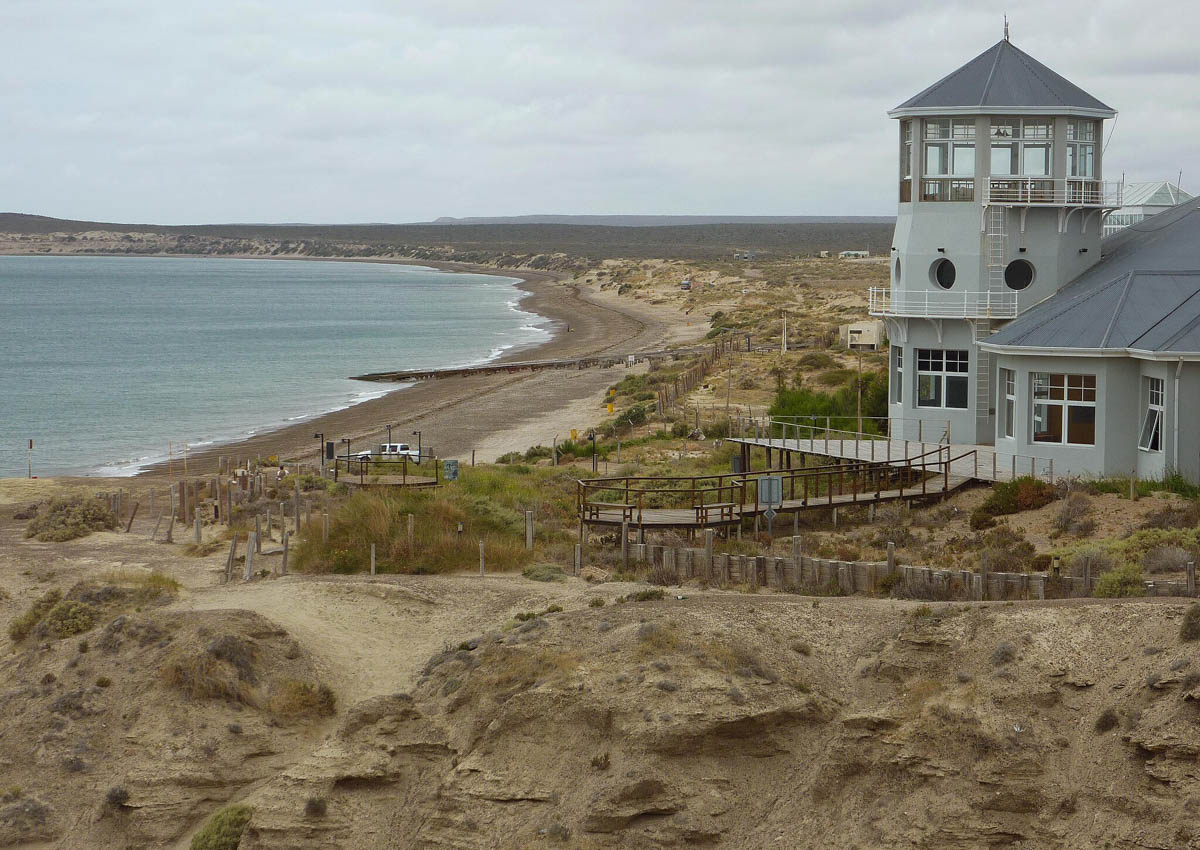

A routine student training dive in Argentina’s Golfo Nuevo has ended in tragedy, prompting renewed discussion across the diving community about supervision standards, environmental conditions, and risk awareness when training near wreck sites.
Authorities confirmed that 23-year-old diver Sofía Devries died after failing to resurface during a certification dive near Puerto Madryn, an area widely known for its cold-water marine life and artificial reef structures. Argentine news outlet Infobae reported that the incident triggered an extensive search coordinated by the Argentine Naval Prefecture, with multiple rescue teams deployed over several days before her body was recovered.
A Training Dive at an Artificial Reef
According to investigators, the dive took place near the wreck of the Hu Shun Yu 809, a vessel intentionally sunk to create an artificial reef and attract divers to the region. The site sits within Golfo Nuevo, an area celebrated for clear water and abundant wildlife, but also known for cold temperatures and changing conditions that can challenge inexperienced divers.

Coverage from La Nación indicates that Devries was participating in a training activity when she became separated from the group during descent. Witness accounts and early reports suggest the dive reached depths of roughly 20 to 25 metres, a range that remains within recreational limits but still demands strict buoyancy control, clear communication, and careful instructor oversight.
The location itself has drawn attention within Argentina’s diving circles because artificial reef wrecks can present additional complexity for students. Even when intentionally prepared for divers, such structures introduce visual distractions, potential entanglement points, and shifting currents that can overwhelm beginners focused on new skills.

Autopsy Findings and Ongoing Investigation
While early reports left the cause of death unconfirmed, subsequent forensic updates have begun to clarify what happened. Argentine broadcaster TN reported that the autopsy concluded Devries died from asphyxia due to submersion, consistent with drowning, and investigators have not identified evidence of third-party violence.
Prosecutors are now examining the circumstances of the dive itself, including supervision procedures, training protocols, and whether environmental factors contributed to the incident. Reporting from Argentine fact-checking outlet Chequeado notes that authorities are analysing statements from instructors and other divers present on the day, although officials have not publicly assigned blame or announced charges.
For the diving industry, the distinction is significant. Fatalities during training dives remain rare globally, but when they occur, they often trigger wider debate about ratios, student readiness, and site selection, particularly when wreck environments are involved.
The Wider Safety Conversation
Puerto Madryn has long marketed itself as one of South America’s most accessible cold-water dive destinations, offering encounters with sea lions, kelp forests, and seasonal whale activity. Artificial reefs like the Hu Shun Yu 809 have helped diversify dive tourism, providing structured sites for both exploration and education.
However, training in environments that combine depth, structure, and cold conditions raises questions that resonate far beyond Argentina. Instructors must balance giving students memorable experiences with maintaining conservative safety margins, especially during early certification levels where task loading can become overwhelming.
Experienced instructors often point out that artificial reef wrecks, even when designated as training sites, can change rapidly due to currents, visibility shifts, or diver traffic. For new divers, these variables can compound stress and increase the risk of separation or buoyancy issues if communication breaks down underwater.
A Reminder for the Global Diving Community
As the investigation continues, the tragedy serves as a sobering reminder of the responsibilities shared across the diving ecosystem, from training agencies and dive centres to individual instructors and students themselves. Artificial reef projects bring undeniable benefits to marine conservation and tourism, yet they also demand rigorous planning when used as learning environments.
For many in the global dive community, incidents like this are not only moments of grief but also catalysts for reflection. Training dives are designed to build confidence and competence, but they rely heavily on conservative decision-making, clear supervision, and careful matching of student experience to site complexity.
While authorities in Argentina work to establish a full timeline of events, the loss of a young diver has already sparked conversation about how training practices evolve in an industry that continues to grow, innovate, and explore new underwater landscapes.
Comments






1 Comment
I am an Old, Retired from diving, Retired PADI instructor and Cold water diver from California USA. This is a poorly reported story lacking any useful information. Like photos of dive site (above and below water), sea conditions, how many diver were in the group. Was there a dive buddy?