




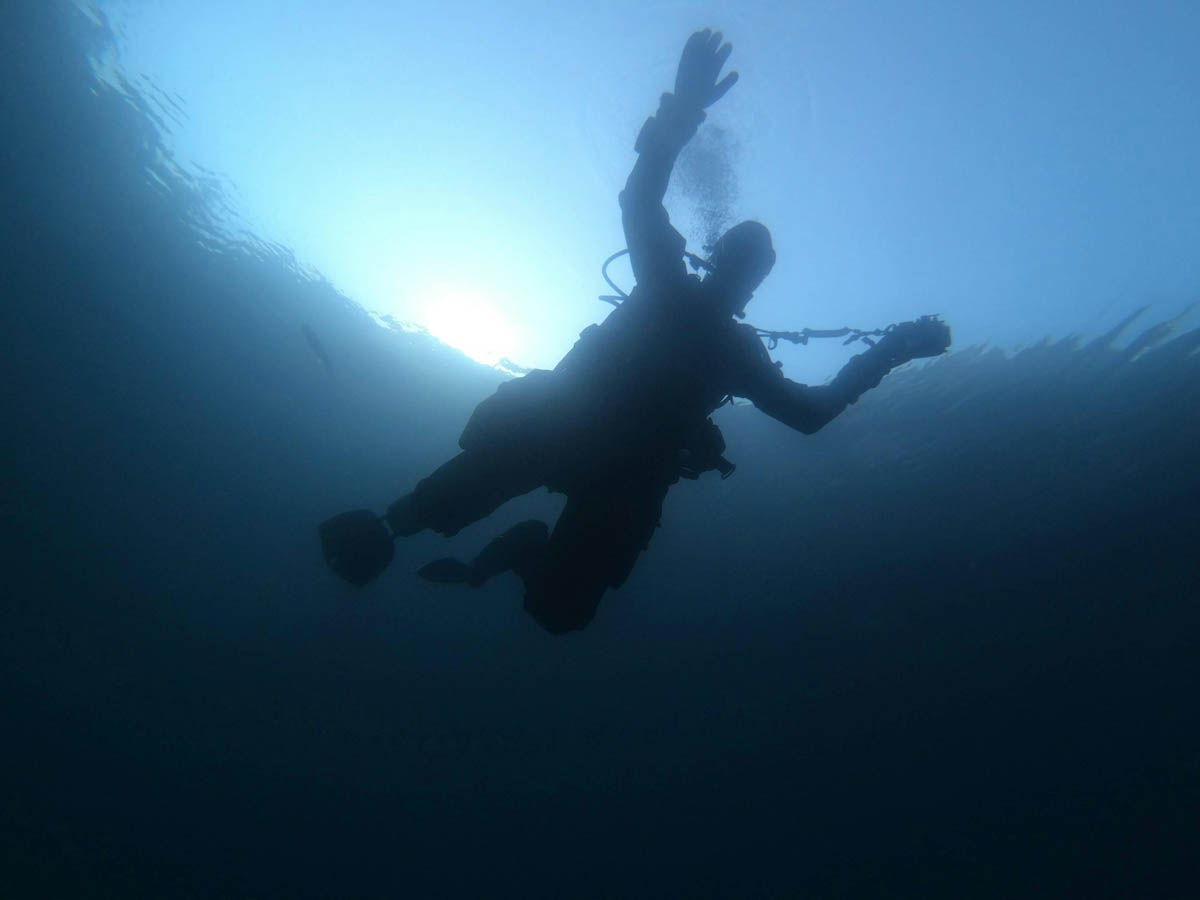

For as long as humans have lived near the sea, we have sensed that it does something to us. Not just refreshment or escape, but a deeper recalibration. Divers talk about surfacing calmer than they entered, swimmers describe sleep that comes easily after a day in salt water, and coastal communities have long treated the shoreline as a place to recover rather than to perform. Modern science is finally catching up with what the body seems to know instinctively, that the ocean can be therapeutic in ways that are measurable, repeatable, and deeply relevant to modern life.
Why “blue space” works on the brain
In recent years, researchers have begun using the term “blue space” to describe environments dominated by water, including oceans, seas, lakes, and even large rivers. Studies examining time spent in these environments show consistent links to reduced stress, improved mood, and better overall mental wellbeing. According to research highlighted by the National Institutes of Health, exposure to natural environments lowers rumination and supports healthier patterns of brain activity associated with emotional regulation, with water-based settings showing particularly strong effects in stress reduction outcomes.
One influential paper published in Frontiers in Psychology found that people living closer to the coast or spending regular time near the sea reported better mental health and lower psychological distress, even when controlling for income, employment, and physical activity. The presence of water itself appeared to be a significant independent factor, suggesting that the ocean is not just a pleasant backdrop but an active contributor to mental restoration.

Salt water and the nervous system
Immersion in the sea introduces the body to a unique combination of sensory inputs, temperature, buoyancy, pressure, sound, and mineral content. Together, these stimulate the parasympathetic nervous system, the branch responsible for rest, digestion, and recovery. The gentle pressure exerted by water on the body can slow breathing and heart rate, promoting a state similar to deep relaxation or meditation.
Research discussed by the Divers Alert Network notes that slow, controlled breathing underwater enhances vagal tone, a key marker of resilience to stress. This is one reason many divers report feeling mentally reset after a dive, even when the dive itself required focus and task loading. The ocean demands attention, but not the fragmented, anxiety-driven attention of modern digital life. It pulls awareness into the present moment.
The chemistry of the sea air
Beyond immersion, simply being near the ocean appears to have physiological effects. Sea air contains higher concentrations of negatively charged ions, generated by the movement of waves and surf. These ions have been associated with improved mood and reduced symptoms of depression in several controlled studies. A comprehensive review published in the International Journal of Environmental Research and Public Health examined the health benefits of marine environments and found evidence linking coastal exposure to reduced stress, improved respiratory function, and enhanced psychological wellbeing, particularly in individuals experiencing chronic stress or fatigue.
Salt water itself also has mild antiseptic and anti-inflammatory properties. For people with certain skin conditions, minor wounds, or muscle soreness, time in the sea can support natural healing processes, although it should never replace medical care where that is needed.
Cold water, caution, and clarity
Cold water immersion has become fashionable, often associated with resilience training and mental toughness. The ocean has been delivering this stimulus for millennia, but the science urges nuance rather than hype. A review in The BMJ points out that while cold water exposure may improve mood and alertness in some individuals, it also carries risks, particularly for those with cardiovascular conditions or limited acclimatisation. In the context of ocean therapy, the benefit is not bravado or shock, but controlled exposure paired with calm breathing and awareness.
Divers, snorkellers, and swimmers tend to experience these benefits more safely because immersion is gradual and purposeful, rather than abrupt. The ocean rewards respect and attentiveness, not force.
Why divers often feel “reset”
Many divers struggle to articulate what changes after a day underwater. It is not just the visuals or the silence, although both matter. It is the enforced slowing down. Depth limits breathing rate. Buoyancy removes the constant micro-tension of standing and walking. Sound is muted and distorted. Time stretches.
This combination mirrors many principles used in therapeutic settings, including sensory regulation, breath control, and mindfulness. The difference is that the ocean delivers all of this without instruction. You cannot rush a dive without consequences. You cannot multitask effectively underwater. The environment itself teaches regulation.
Ocean therapy in a modern world
As rates of anxiety, burnout, and depression continue to rise, the idea that healing might involve returning to water is gaining traction. Some coastal health initiatives now incorporate guided sea swimming or marine-based rehabilitation as complementary wellbeing practices, not as replacements for clinical treatment but as supportive tools. The evidence suggests that the ocean offers a rare combination, mental quiet, physical engagement, and sensory balance, all in one place.
For divers, the implication is profound. The time spent underwater is not indulgence or escape. It is maintenance. It is a recalibration of systems that were never designed to operate under constant notification, noise, and artificial light.
The ocean does not promise cures. What it offers is something more subtle and arguably more valuable, a space where the body remembers how to regulate itself, the mind relearns how to focus without strain, and stress is processed rather than suppressed. Salt water, it turns out, is not just where we go to explore the world beneath the surface. It is where many of us quietly put ourselves back together.
Comments