


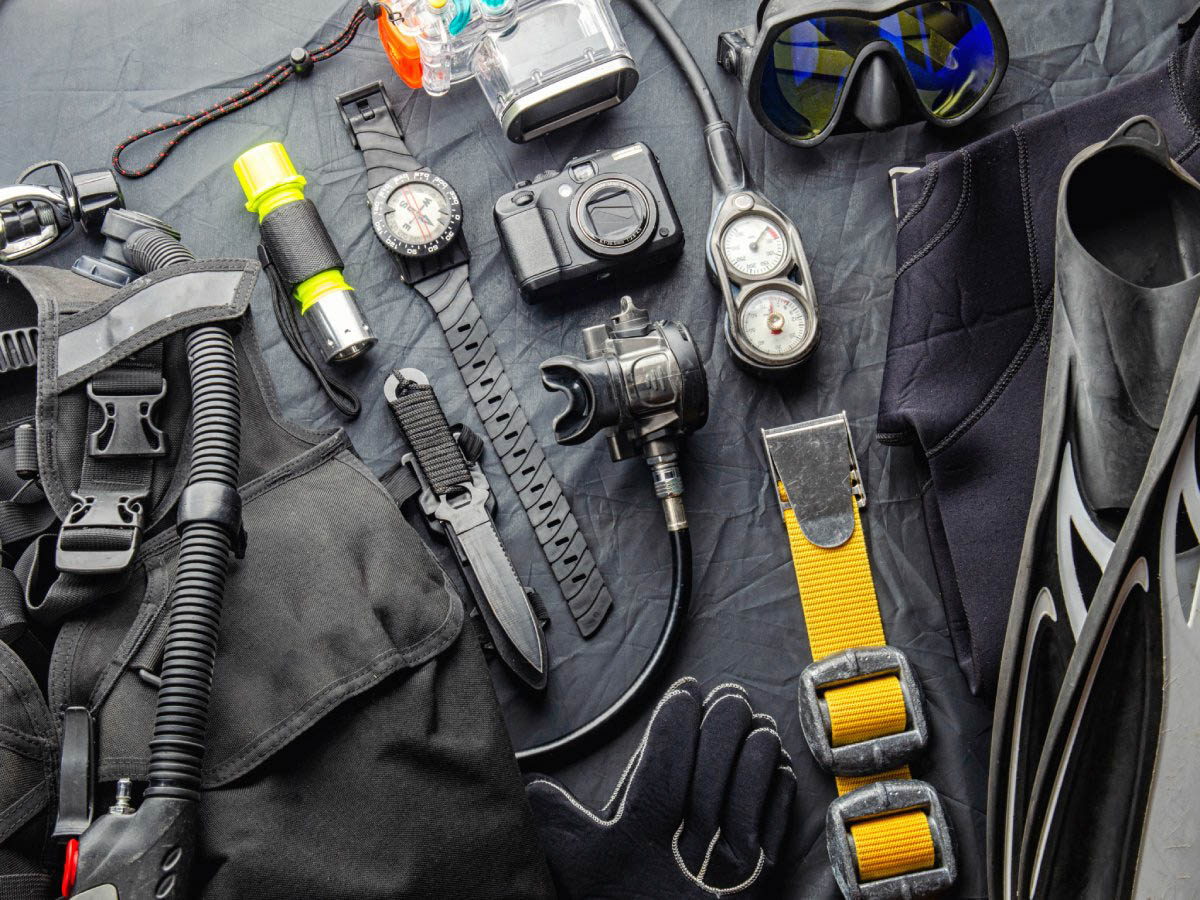
Have you ever wondered what makes your scuba gear so resilient and functional underwater? A lot of it comes down to the materials used in its construction. Each of them is chosen for their specific properties, ensuring your safety, comfort, and performance beneath the waves. From your wetsuit to your tank, this post will break down the common materials used in scuba gear and explain why they are so essential for your diving adventures.
Neoprene
Neoprene is a synthetic rubber that is a cornerstone material for exposure suits like wetsuits and drysuits. Its most important function is to provide thermal insulation, trapping a thin layer of water against your skin that your body then warms. This process helps you stay warm in cooler waters. Neoprene is also highly flexible, allowing for a full range of motion while swimming. Its resistance to water and pressure makes it the ideal material for keeping divers comfortable and protected in the underwater environment.
Rubber and Silicone
Rubber and silicone are vital for creating the seals and flexible parts of your gear. You’ll find these materials in masks, fins, and snorkels. Silicone is particularly popular for mask skirts and straps because it is soft, durable, and creates a comfortable, watertight seal against the face. It’s also resistant to sunlight and saltwater degradation. Rubber, being stiffer, is more often used for fin blades. Its rigidity provides excellent propulsion, helping you move through the water with greater efficiency.
Aluminum and Stainless Steel
The tanks that hold your breathing gas are typically made from aluminum or stainless steel. The types of alloys used in aluminum sheet composition help make tanks lighter and less expensive. This is what’s made them a popular choice for recreational divers, especially in saltwater, where their natural buoyancy shift is manageable. Stainless steel tanks are heavier and more durable, offering excellent corrosion and damage resistance. This strength allows them to hold gas at higher water pressures. You will also find stainless steel used in dive knives and clips due to its impressive anti-corrosive properties.
Polycarbonate and Tempered Glass
When it comes to your mask lenses and dive computer screens, clarity and safety are paramount. Tempered glass is the standard for high-quality mask lenses because it is highly scratch-resistant and will not shatter into sharp shards under pressure. Instead, if it does break, it’ll crumble into small, dull-edged pieces, reducing the risk of injury. Polycarbonate is another material used for its lightweight and shatter-resistant qualities, often found in the housings of dive computers and underwater cameras.
Nylon and Cordura
Durability and resistance to wear and tear are critical for equipment like Buoyancy Control Devices (BCDs) and dive bags. This is why materials such as nylon and Cordura are quite common in various pieces of scuba gear. Cordura, in particular, is a high-performance nylon fabric that’s exceptionally resistant to abrasions, tears, and scuffs. This toughness ensures that your BCD can withstand contact with rocks and boat decks without failing. Both materials are also lightweight and dry quickly, making them ideal for gear constantly exposed to water.
