


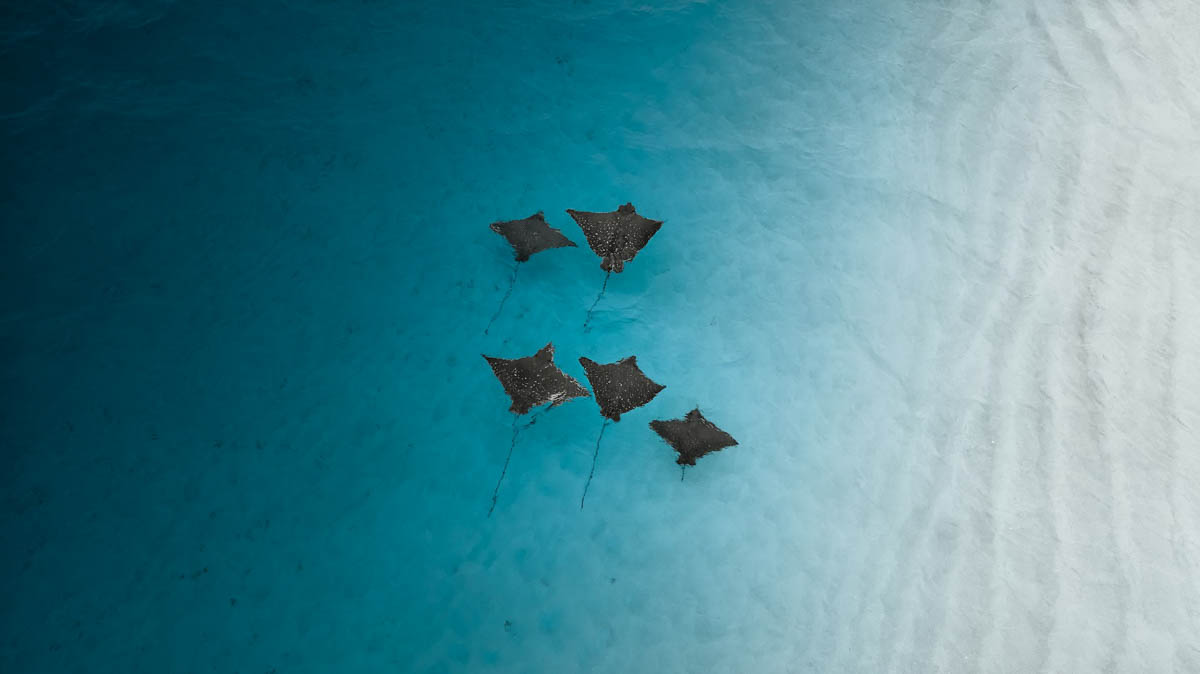
Sunlight filters through the cenote tunnels of the Yucatán. Currents sweep along coral walls alive with turtles and eagle rays. Offshore, pelagic giants cruise volcanic pinnacles. In Mexico, scuba diving isn’t one kind of experience but a vast, interconnected world of three oceans, underground rivers, and immense reefs shaped by both nature and history.
Whether you’re exploring cavern dives in the Yucatán Peninsula or chasing manta rays around remote islands, Mexico delivers unmatched variety and unforgettable marine encounters. It’s where Mayan myths meet modern conservation, and every dive tells a story.
Photo by The Travel Nook on Unsplash
Getting There and Getting Oriented
Your gateway depends on your diving goals. For the Yucatán Peninsula, most divers arrive via Cancún International Airport, which connects easily to Cozumel, Riviera Maya, and Tulum. The island of Cozumel is a short ferry ride from Playa del Carmen, while cenotes and jungle-hidden dive sites are just an hour inland.
If your ambitions stretch toward Baja California or the Sea of Cortez, fly into La Paz or Cabo San Lucas. These are the access points for Cabo Pulmo, the La Paz reefs, and liveaboards bound for Socorro Island in the Revillagigedo Archipelago.
Travel within Mexico is simple: short domestic flights cover long distances, and reliable ferries link the islands. Dive infrastructure is well-developed, multilingual, and welcoming to international visitors.

Mexico offers year-round diving, though certain regions have seasonal highlights – whale sharks around Isla Mujeres from June to September, humpbacks near Baja in winter, and mantas at Socorro between November and May. Most reef dives require Open Water certification, while cavern and cave diving often demand additional training.

Photo by Francisco Jesús Navarro Hernández on Unsplash
Dive Destinations That Define Mexico
Yucatán, Riviera Maya, and Cozumel
The Caribbean side of Mexico offers some of the most accessible and diverse diving in the world.
Cozumel’s coral walls, part of the Cozumel Reefs National Park, are legendary for drift diving. Sites like Palancar Reef, Santa Rosa Wall, and Punta Sur provide clear water, dramatic topography, and abundant sea life. The island’s famous “Devil’s Throat” tunnel system attracts experienced divers looking for a thrill beneath layers of sponge-covered limestone.
Inland, the cenotes of the Yucatán form a maze of freshwater sinkholes and caverns with near-perfect visibility. Dives in Dos Ojos, The Pit, and Cenote Angelita are ethereal — shafts of sunlight cut through crystal-clear water, illuminating stalactites and haloclines that separate fresh from saltwater. PADI and Pluto Dive both describe the cenotes as a must-see even for seasoned divers.
Just offshore, the Cancún Underwater Museum (MUSA) combines art and ecology, featuring over 500 submerged sculptures that double as artificial reef structures.
Farther south near Mahahual, divers can reach Banco Chinchorro, part of the Mesoamerican Barrier Reef – the second-largest reef system on the planet. It’s less visited, teeming with marine life, and known for its historic shipwrecks.
Baja California and the Sea of Cortez
On the opposite coast, the Sea of Cortez has been called “the world’s aquarium” by Jacques Cousteau, and for good reason. The nutrient-rich waters attract everything from sea lions to whale sharks.
At Cabo Pulmo, a UNESCO World Heritage Site, reefs once devastated by overfishing have rebounded thanks to community-driven conservation. Divers encounter vast schools of jacks, bull sharks, and swirling sardine clouds – a living success story in marine recovery.
In La Paz, playful sea lions at Los Islotes are a highlight for underwater photographers, while wrecks and reef dives fill out multi-day itineraries.
For serious adventurers, the Revillagigedo Islands (Socorro, Roca Partida, and San Benedicto) offer one of the planet’s best pelagic experiences. Liveaboard divers can expect encounters with oceanic manta rays, hammerheads, silky sharks, and dolphins. These volcanic outposts are part of a biosphere reserve that limits visitor numbers, preserving a sense of wilderness rarely found elsewhere.
Pacific Coast and Beyond
Mexico’s Pacific coastline including Puerto Vallarta, Manzanillo, and Huatulco offers wreck dives, pinnacles, and macro sites for divers looking beyond the Caribbean and Baja hotspots. Marine reserves and coastal parks here provide healthy reef structures and occasional manta sightings.
What to Expect
Water temperatures vary by region: Caribbean sites range from 26–29 °C year-round, while the Pacific and Sea of Cortez can dip to 20 °C depending on the season. Visibility regularly exceeds 30 meters in cenotes and around Cozumel’s reefs, while open-ocean liveaboards offer bluewater clarity mixed with current-driven excitement.
Most dive shops maintain excellent safety standards and emergency access to recompression facilities in Cozumel, Playa del Carmen, and La Paz. Operators follow guidelines from agencies like PADI and SSI, and many offer refresher or specialty courses.
Above the surface, Mexico’s cultural treasures add even more depth to a dive holiday. You can explore Mayan ruins in Tulum, sample authentic cuisine, or relax on palm-lined beaches between dives. It’s a balance of adventure and indulgence few destinations can match.
Why Divers Should Choose Mexico
- Unmatched variety: reefs, walls, cenotes, wrecks, pelagics all within one country.
- Accessibility: frequent international flights, well-established dive infrastructure, and English-speaking operators.
- Sustainability focus: marine parks like Cozumel and Cabo Pulmo showcase successful conservation.
- Value for money: competitive dive packages and gear rental prices compared with other tropical destinations.
- Rich culture: world-class diving paired with ancient history, vibrant food, and warm hospitality.
Whether it’s your first open-water dive or your hundredth liveaboard expedition, Mexico invites you to explore its many underwater worlds, each more captivating than the last.
Find A Liveaboard Holiday in Mexico
The Scuba News Travel Team carefully select from hundreds of liveaboard travel operators and excursion providers around the world. If you find a good deal at The Scuba News and make a booking, we may receive a small commission. This, however does not affect the price you pay.Any prices listed are correct at time of publishing
Comments