




Why so many new scuba instructors struggle to find work after their IDC
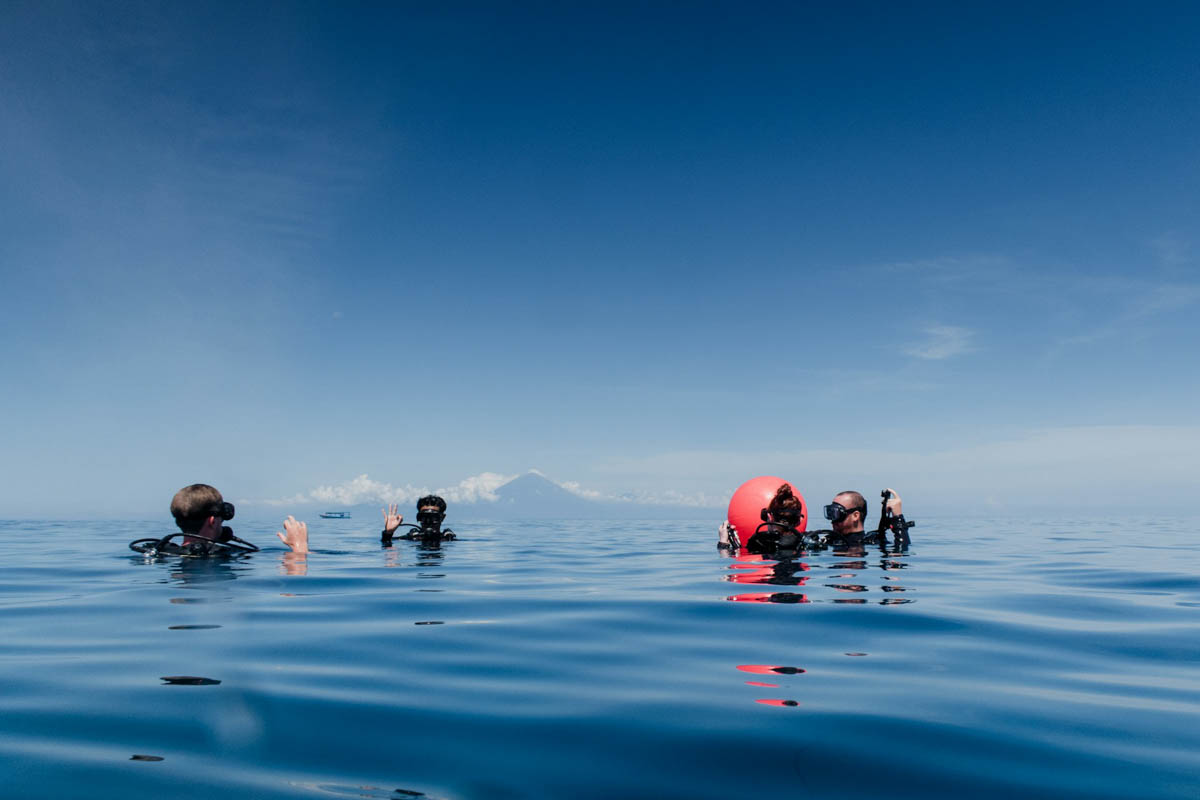
Every month, new PADI Instructors proudly leave their Instructor Development Course (IDC) and Instructor Exam (IE) believing they’ve entered a global career of adventure, travel, and underwater teaching. But few stop to ask the obvious question: how many instructors does the industry need?
The uncomfortable answer is—far fewer than the training machine keeps producing.
The Numbers Don’t Add Up
PADI publicly reports around 128,000 professional members and roughly 6,600 dive centers and resorts worldwide. That means, on average, there are about 19 PADI professionals per center.

Anyone who’s worked in the dive industry knows this ratio is unrealistic. A typical dive operation employs one or two full-time instructors, perhaps a third during high season, and a few part-time “weekend instructors.” Larger resorts with 10–20 full-time staff are the exception, not the rule.
If half of all dive centers employ two full-time instructors, that’s about 13 000 full-time jobs worldwide. Even doubling that for seasonal and freelance instructors gives only 26 000 working pros—barely one in five of the total membership. The rest are inactive, part-time, or have moved on entirely.
IDC Supply vs. Industry Demand
Each PADI 5-Star IDC or Career Development Center (CDC) conducts multiple IDCs per year, often graduating 10–20 new instructors per course for the larger operations and around 10 for smaller centers. Multiply that by even half of PADI’s 6 600 facilities and you’re looking at tens of thousands of new instructors annually entering a market that can absorb only a small fraction of them.
This imbalance—far more instructors than available positions—creates a permanent oversupply. That’s why so many new instructors, especially those trained at large commercial centers, discover that the same facility that took their IDC fees has no job openings once they pass the IE. Those jobs go first to the center’s own graduates who have already proven themselves during training.
Why Wages Stay Depressed
Basic economics applies here: when supply overwhelms demand, wages fall. Dive operators know there’s a constant stream of newly qualified instructors eager to work anywhere, often for little more than accommodation, air fills, and “beer money.”
The myth of the full-time dive-instructor lifestyle exists—but it’s often sustained by seasonal contracts, long hours, and secondary income. Passion alone doesn’t pay the rent.
The Push Toward Multi-Agency and Specialty Training
Modern dive operators need flexibility. An instructor qualified through multiple agencies (PADI, SSI, ISC, SDI/TDI, etc.) and certified to teach several specialties—Nitrox, Deep, Wreck, DPV, Rescue, Photography—gives a dive center more course options to sell.
Many centers quietly teach more than one training brand. From a business perspective, that’s smart: it diversifies income and customer choice.
This is also why some large agencies push “brand exclusivity” policies, encouraging centers to teach only their materials. Yet ISO 24801/24802 standards define diver and instructor competencies, and most reputable agencies meet these same international requirements. The difference is not in the student’s qualification—it’s in the marketing logo on the card.
The Real Cost-to-Return Question
Here’s where future instructors should pause and think hard.
If the average dive center hires one or two instructors and thousands of new instructors are certified each year, the chance of securing a full-time, well-paid position is slim. So why pay premium prices for a “big-brand” IDC that costs thousands more—when the actual job market and income potential are the same (or worse) as with a smaller ISO-certified agency?
When you factor in course fees, membership dues, materials, insurance, and equipment costs, a PADI IDC/IE can easily reach US $4000–$6000 or more. Most new instructors earning local resort wages will take years to recover that investment—if they ever do.
In contrast, other ISO-compliant training agencies offer the same professional recognition level for significantly lower training fees. For aspiring instructors who genuinely want to teach, not just buy a logo, these alternatives often provide better value, less debt, and a faster return on investment.
The myth that doing a “big-brand” IDC guarantees better employment is exactly that—a myth. The numbers speak for themselves. There’s little chance of sustainable full-time work, especially if you’ll inevitably need a second income to support yourself. Spending less on a smaller-agency IDC/IE (like DiveISC.com) often makes better business sense and gets you teaching sooner without financial strain.
Reality Check for Aspiring Instructors
- The IDC/IE is a starting point, not a job guarantee.
- Choose your training facility and agency based on career goals, not brand size.
- Stack additional skills and specialties that increase hire ability.
- Consider multi-agency pathways—legitimate, standards-compliant, and often far more affordable.
- Think like a professional: calculate your ROI before committing.
Final Thoughts
The dive industry IDC/IE runs on enthusiasm but is sustained by realism. Instructor training is a profitable business for dive centers—and that’s fine, provided you understand it before signing up. The truth is simple: there are too many instructors for too few full-time jobs, and paying top-tier prices to join an oversupplied market makes little financial sense.
If your goal is to teach, travel, or live the diving lifestyle, choose wisely. The best instructors aren’t defined by the logo on their certification—they’re defined by skill, attitude, and an understanding of the business they work in.
Learn more with DiveISC.com
Comments