


Stretching along the tropical shores of the Indian Ocean, Kenya offers an intoxicating blend of marine biodiversity, coral beauty, and African wilderness that few destinations can match. Often celebrated for its safaris and savannahs, Kenya’s underwater world remains one of East Africa’s most compelling secrets. From drift dives along technicolour reefs to exploring historic wrecks and coral islands, it’s a destination where every dive reveals a new kind of magic.
The Indian Ocean’s Hidden Paradise
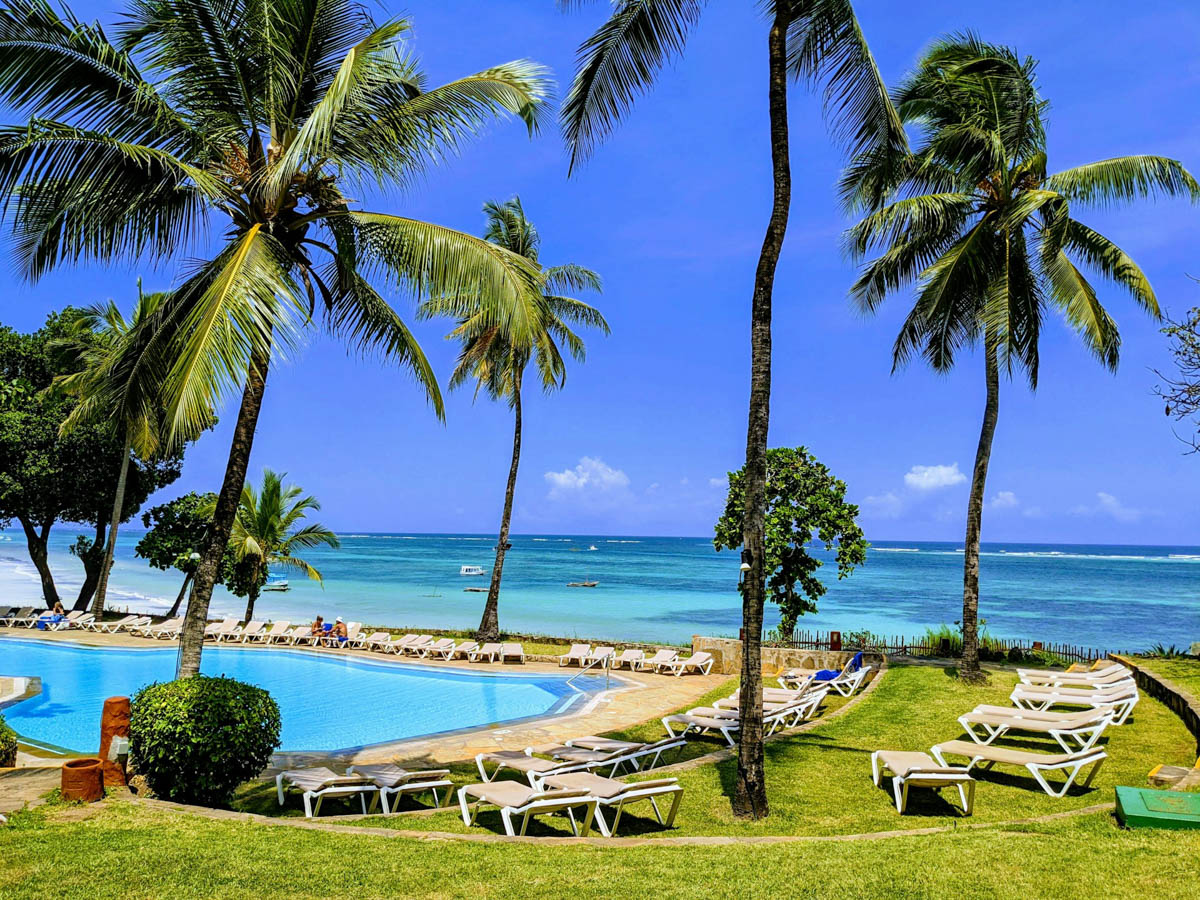
Kenya’s coastline runs for more than 500 kilometres, from Lamu in the north to Diani Beach in the south. This stretch forms part of the Western Indian Ocean Marine Ecoregion, known for its warm currents, clear visibility, and thriving coral systems. Protected areas such as Kisite-Mpunguti Marine National Park, Watamu Marine National Park, and Malindi Marine Park safeguard vast coral gardens and seagrass meadows that attract turtles, reef sharks, dolphins, and rays.
The reefs are nourished by nutrient-rich waters from the East African Coastal Current, which flows year-round, keeping temperatures between 24°C and 29°C. Visibility can exceed 25 metres in the dry months, creating superb conditions for both beginners and experienced divers.
Dive Sites from Diani to Watamu
South of Mombasa, Diani Beach is the country’s most established diving hub, home to operators such as Diving the Crab, whose instructors have explored every corner of this reef system for decades. The Kisite-Mpunguti Marine Park nearby is a highlight, with healthy coral gardens, reef walls, and a good chance of spotting bottlenose dolphins. Drift dives are common, offering encounters with turtles, trevallies, and occasional reef sharks.
Further north, Mombasa Marine Park offers easier access for those staying in the city, with wrecks like the MV Dania lying just offshore. Beyond that, Watamu and Malindi are renowned for their diversity. The area’s shallow coral platforms are ideal for underwater photographers chasing macro life, while whale sharks and humpback whales migrate through these waters between August and October, creating one of the most exciting large-animal spectacles in East Africa.
In Lamu, the northernmost dive destination, the diving is less developed but incredibly rewarding. Coral walls, bommies, and canyons attract pelagic visitors, while the lack of crowds gives a sense of uncharted exploration.
Getting There and Around
Most divers arrive via Jomo Kenyatta International Airport in Nairobi, then transfer to the coast through domestic flights to Ukunda (Diani), Malindi, or Mombasa. These regional hubs are served by local carriers such as Safarilink and Jambojet. Once at the coast, dive centres provide transport between hotels, marinas, and marine parks.
Travel logistics are straightforward, though it’s advisable to plan your diving days around the monsoon seasons. The best time to dive is typically October to March, when seas are calm and visibility is at its best. The southwest monsoon, from May to September, brings rougher seas but also nutrient upwelling that supports marine life density.
For those combining diving with a safari, many visitors join a wildlife experience in Tsavo National Park or Amboseli, accessible within a few hours’ drive. The contrast between coral reefs and big game plains is what makes Kenya so unique.
Marine Life and Conditions
Kenya’s underwater biodiversity rivals that of any Indian Ocean destination. According to PADI’s East Africa overview, more than 200 coral species and 250 fish species have been identified along the coast. Expect sightings of angelfish, butterflyfish, groupers, lionfish, and moray eels, while lucky divers might encounter manta rays, dolphins, and even sailfish.
The Bluewater Dive Travel guide describes Kenya’s waters as a meeting point between tropical coral ecosystems and open-ocean pelagic zones. Visibility is typically between 15 and 30 metres, with gentle currents that make conditions accessible for most certification levels.
Sea temperatures remain warm year-round, requiring no more than a 3mm wetsuit. For underwater photographers, the clear light and colourful soft corals provide ideal conditions for both macro and wide-angle shots.
Conservation and Marine Parks
Kenya has been a pioneer in marine conservation since the 1960s, when it established Watamu Marine National Park, one of the first of its kind in Africa. These parks are now managed by the Kenya Wildlife Service, ensuring that reef systems remain healthy and protected from overfishing and pollution. Divers visiting these areas pay small entry fees that directly fund conservation efforts and local community projects.
Community involvement has been key to sustaining Kenya’s marine heritage. Local initiatives such as the Local Ocean Conservation project in Watamu have played an essential role in turtle rehabilitation and reef monitoring.
Why Divers Should Choose Kenya
Kenya offers something few destinations can match: the chance to experience world-class diving in the morning and go on safari by afternoon. The cultural vibrancy of Swahili coastal towns, the rhythm of the Indian Ocean, and the genuine warmth of Kenyan hospitality make it a destination that feels both adventurous and welcoming.
For those seeking more than a typical tropical dive trip, Kenya delivers a sense of discovery. It remains authentic, uncommercialised, and rich in both underwater and topside experiences. Whether exploring coral gardens off Diani, photographing whale sharks in Watamu, or diving remote reefs off Lamu, Kenya offers the kind of dive adventure that stays with you long after you surface.
Find latest scuba news and offers from Kenya
Ready to Explore?
All products featured here are independently selected by our editors and writers. If you buy something through links on our site, The Scuba News may earn a small commission, but this does not affect the price you pay. Any prices included are correct at time of publication.
Comments