



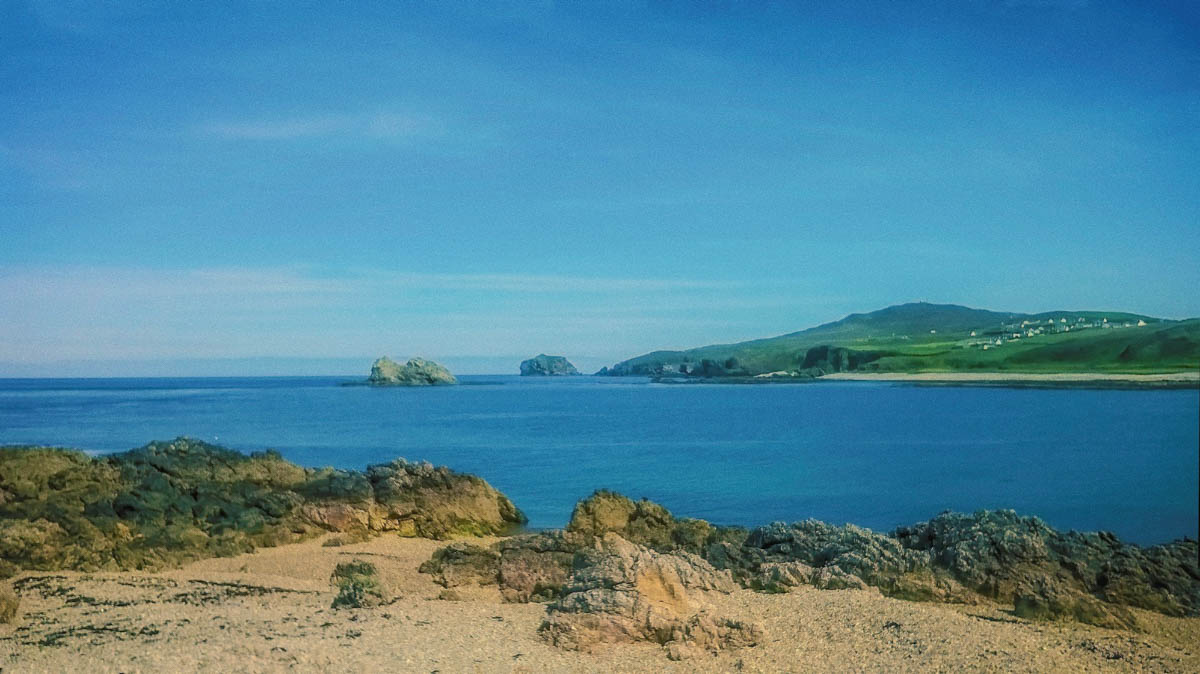

Ireland may not be the first destination that comes to mind for a dive holiday, but beneath its cool Atlantic waters lies a world of rugged beauty and incredible diversity. From dramatic seascapes and ancient shipwrecks to caves, reefs, and playful seals, Ireland’s coastline offers one of Europe’s most rewarding and unspoiled underwater experiences. This is cold-water diving at its most captivating, combining raw natural power with a sense of adventure that few other destinations can match.
A Different Kind of Allure
Ireland’s reputation for unpredictable weather and chilly waters has kept it off many divers’ radars, yet these very elements shape a marine world unlike anywhere else. The Atlantic’s nutrient-rich currents support a thriving ecosystem of anemones, sponges, crustaceans, nudibranchs, and kelp forests. Grey seals and dolphins are frequent companions underwater, while basking sharks pass along the west coast in summer.
The country is also known for its geological complexity, which has produced striking cave systems such as the Pollatoomary Cave System in County Mayo, one of the deepest explored freshwater caves in Europe. With its combination of marine biodiversity, historical wrecks, and varied underwater terrain, Ireland offers diving that is both adventurous and authentic.

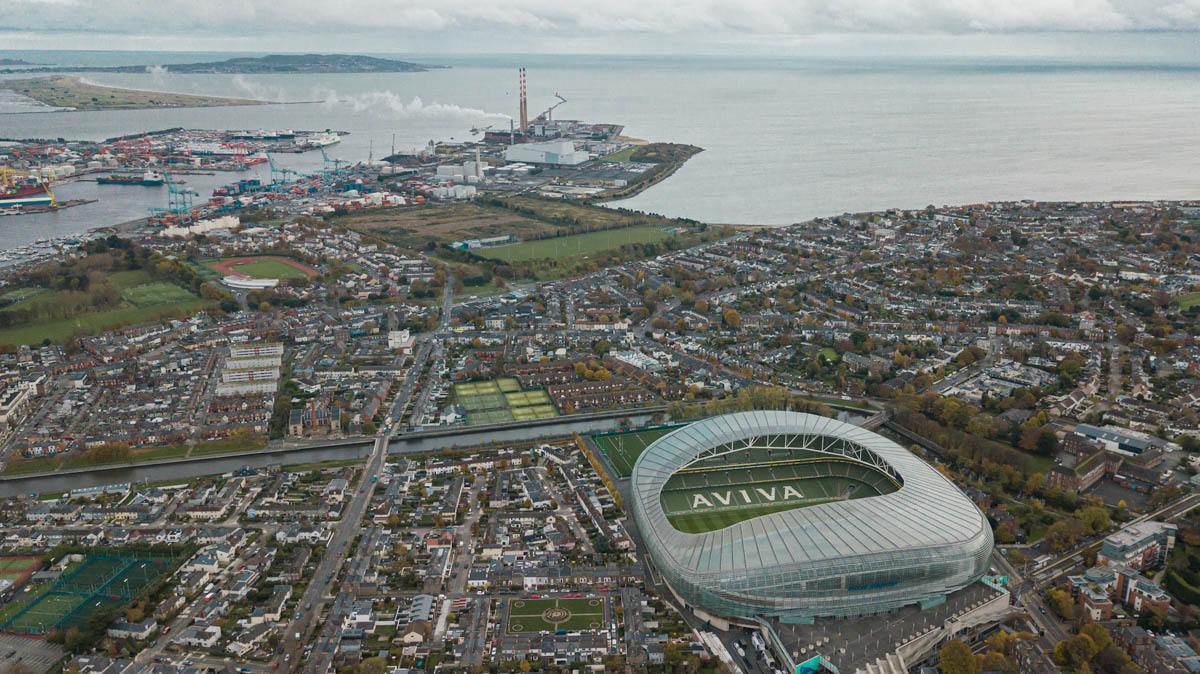
Photo by Gabriel Ramos on Unsplash
Getting There and Around
Most international visitors arrive in Dublin or Cork, with regular flights from major European and global hubs. Once on the island, a car is essential for reaching remote coastal areas and small harbours.
Many dive centres and subaqua clubs operate year-round, particularly in Galway, Clare, Kerry, and Donegal. These local operators are often affiliated with Comhairle Fo-Thuinn, the Irish Underwater Council, which promotes safe diving and environmental stewardship. In Dublin Bay, clubs such as Oceandivers provide gear hire, drysuit training, and regular boat trips.

The main dive season runs from May to September when sea temperatures reach 12–16°C and visibility improves. Even in summer, conditions can change quickly, so divers should remain flexible and plan dives around tides and local weather.
What to Expect Underwater
Cold-water diving in Ireland demands preparation but rewards it richly. A 7 mm wetsuit, or preferably a drysuit, is essential, along with hoods, gloves, and sturdy boots for rocky shore entries. Visibility varies from just a few metres in sheltered bays to over 20 m in open-ocean sites.
Most dives range between 10 and 30 m, though deeper wrecks and cave systems offer technical challenges for trained divers. The underwater landscape combines reefs, walls, and pinnacles, often within a single site. Torchlight reveals vibrant colours that rival tropical reefs, from jewel anemones and starfish to sea fans and soft corals.
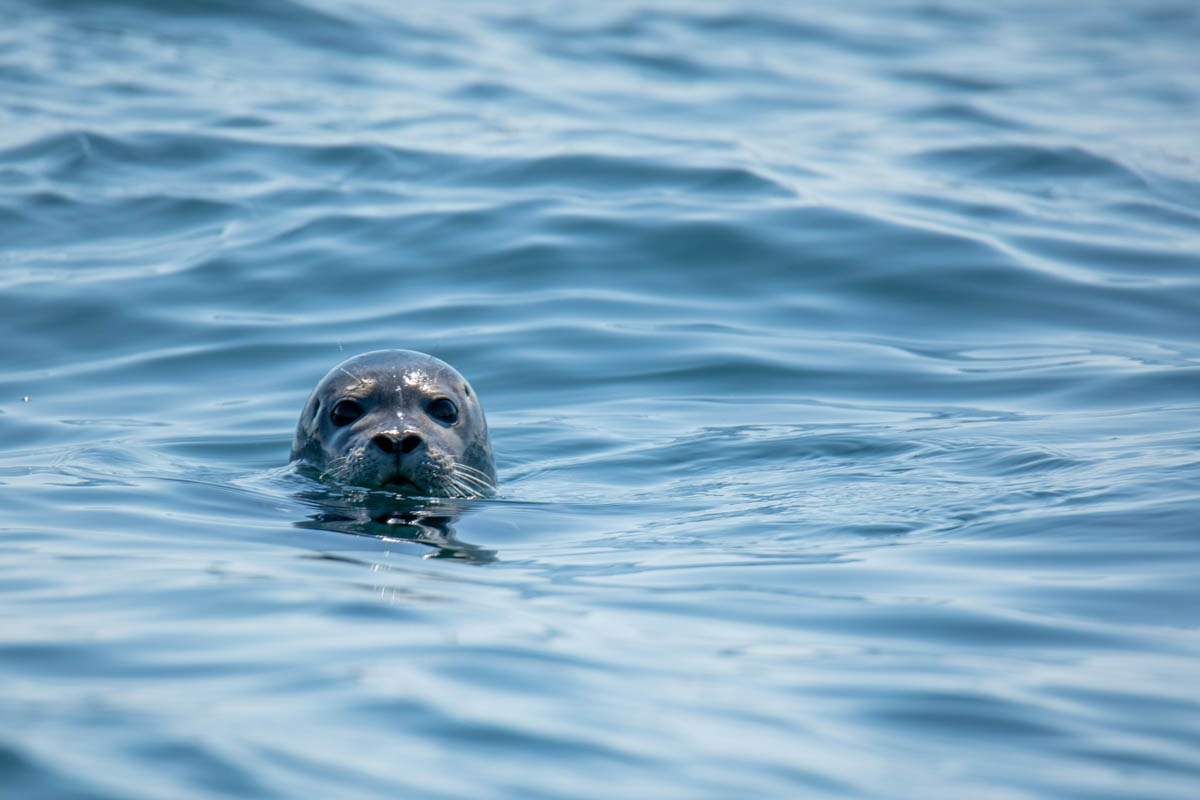
The marine life is rich and often curious. Grey seals approach divers playfully, while pollack, wrasse, conger eels, and lobsters patrol the reefs. In summer, basking sharks migrate through the southwest waters, and sunfish occasionally appear offshore.
Dive Sites That Tell Stories
The Aran Islands and the Wormhole
Off the coast of Galway, the Aran Islands offer clear water, dramatic walls, and a network of caves. One of the highlights is Poll na bPéist, known as “The Wormhole,” a natural rock fissure that opens into an underwater labyrinth filled with life. Nearby sites such as Puffing Holes and Gregory’s Sound feature sponges, wrasse, and spectacular topography.
Southern Wrecks of Cork
Cork’s southern coastline is famous for wrecks, reefs, and drift dives. The MV Kowloon Bridge, a massive iron-ore freighter that sank in 1986, lies at around 36 m and is now covered in anemones and soft corals. The area also offers accessible shore dives and sheltered coves that are ideal for photography.
County Clare and the Wild West
Sites such as Diamond Rocks near Kilkee shimmer with quartz veins, while Fanore offers caverns, reefs, and occasional dolphin encounters. The region’s vertical cliffs create stunning underwater walls and dramatic light effects when the sun breaks through.
See page for author, Public domain, via Wikimedia Commons
Malin Head and Donegal
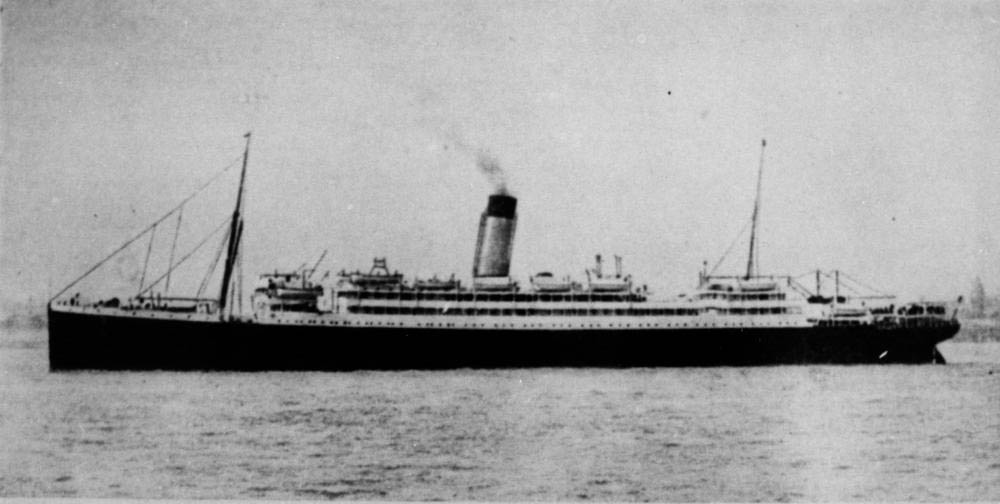
Ireland’s northernmost coast is a wreck diver’s dream. Malin Head is home to the WWI wrecks Justicia and Laurentic, resting in deep, clear water surrounded by abundant marine life. The Donegal coastline also features pinnacles and drop-offs that attract advanced divers from across Europe.
Killary Fjord
On the Connemara coast, Killary Harbour offers one of Ireland’s few fjord dives. The sheltered site features steep underwater walls and the wreck of the Julia T, lying upright at about 27 m. It’s an excellent choice when Atlantic conditions turn rough.
Why Divers Choose Ireland
Ireland combines unspoiled natural beauty with a genuine sense of exploration. The coastline offers a mix of reefs, wrecks, caves, and marine life in a compact area, making it ideal for adventurous travellers who prefer variety over luxury. The dive community is warm, welcoming, and passionate about conservation, creating an atmosphere that is both friendly and professional.
For divers seeking experiences beyond the usual tropical routes, Ireland delivers something truly different. Here, every dive tells a story, every tide brings change, and every encounter connects you to a wild, living coastline that still feels undiscovered.
Planning Essentials
- Contact local dive centres or clubs in advance to arrange charters and fills.
- Check tidal charts and weather forecasts before every dive.
- Advanced certification is required for wreck and overhead environments.
- Carry redundant equipment, including torches, reels, and surface markers.
- Respect marine life and avoid disturbing slow-growing cold-water species.
- Keep plans flexible in case sea conditions change unexpectedly.
Final Thoughts
Ireland is not a resort destination. It is a frontier for divers who appreciate challenge, discovery, and natural beauty. Beneath its rugged coastline lies a marine landscape shaped by time and tide, where shipwrecks rest in silence and seals glide through kelp forests. For those willing to brave the chill, the reward is an unforgettable glimpse into one of Europe’s most remarkable underwater worlds.
Comments





_(cropped).jpg)