




India is often celebrated for its cultural heritage, vibrant festivals, and diverse landscapes, but beneath its coastal waters lies an entirely different world waiting to be explored. From the pristine reefs of the Andaman Islands to the volcanic pinnacles of the Lakshadweep archipelago, India offers some of the most exciting scuba diving opportunities in Asia.
The Underwater World of India
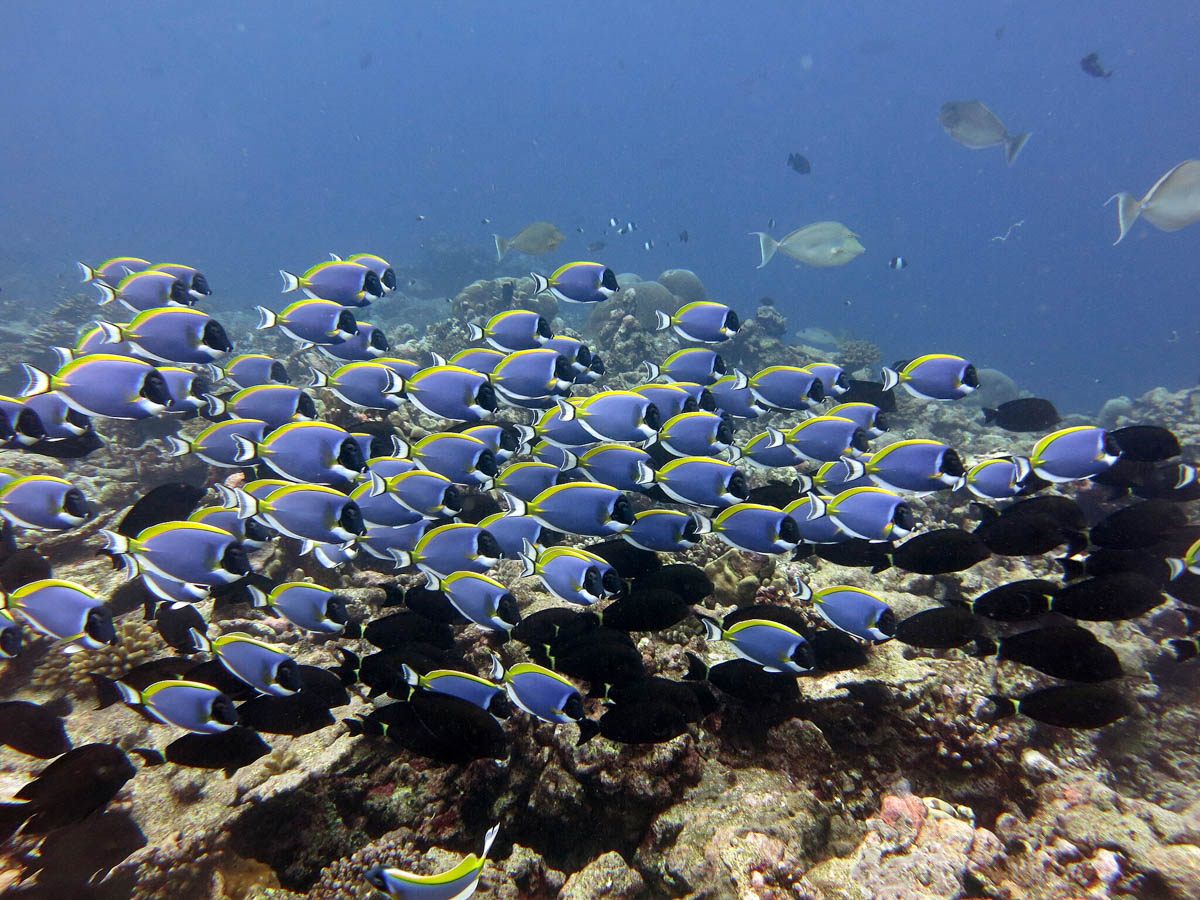
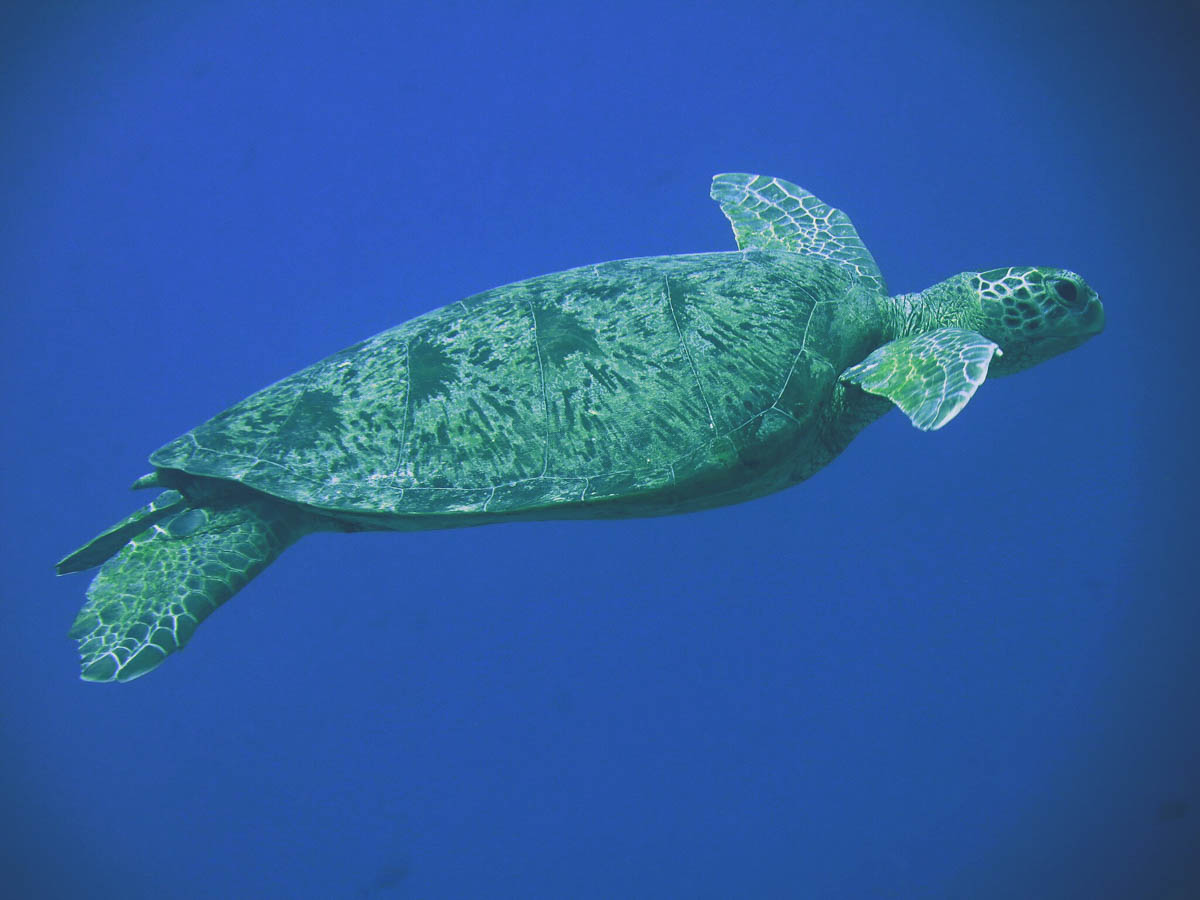
The Indian subcontinent is bordered by the Arabian Sea, the Bay of Bengal, and the vast Indian Ocean, creating an environment rich in biodiversity. Coral gardens, pelagic encounters, and dramatic underwater topography are all part of the diving experience. According to PADI, divers can expect encounters with manta rays, reef sharks, barracudas, turtles, and an astonishing variety of reef fish.
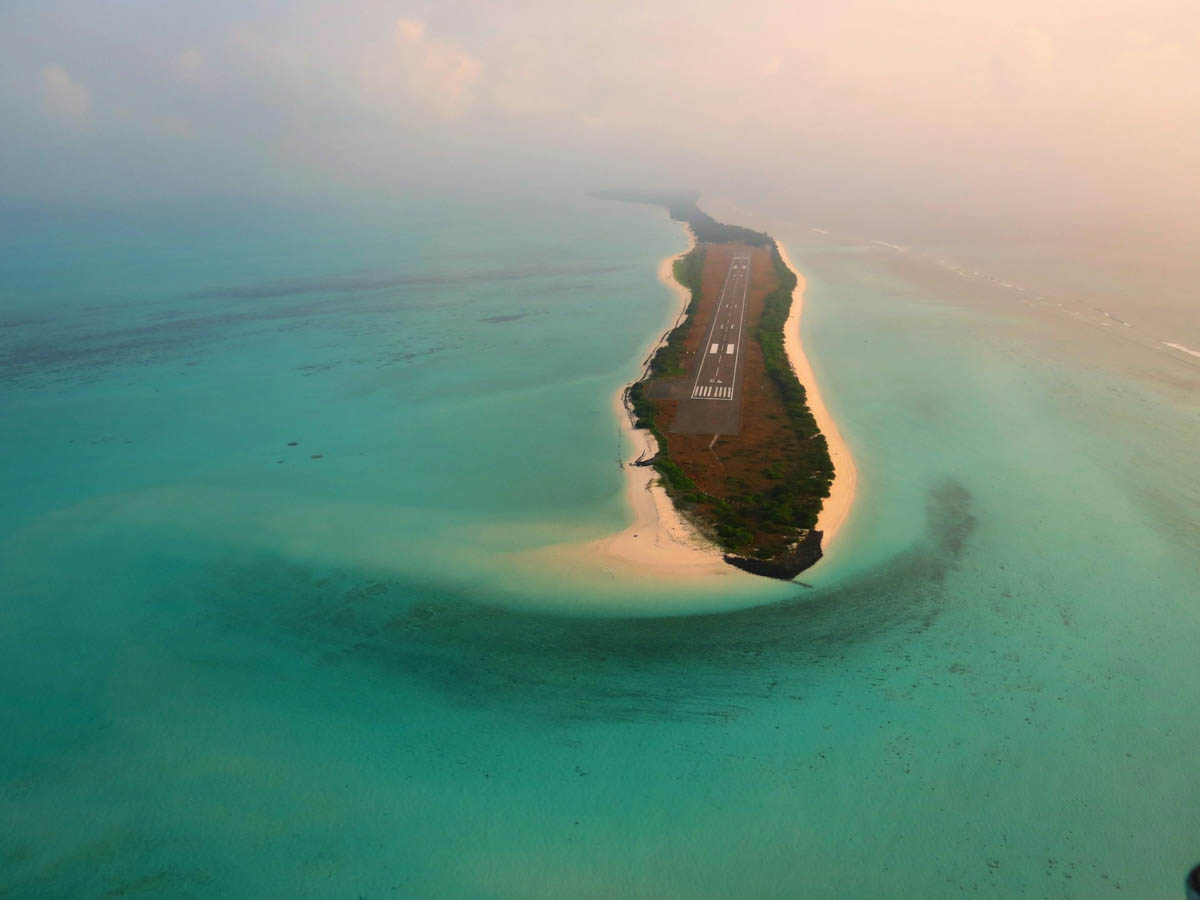
The Andaman and Nicobar Islands, located in the Bay of Bengal, are among India’s most famous diving destinations. Here, sites such as Havelock’s Elephant Beach and Dixon’s Pinnacle reveal thriving coral ecosystems and impressive schools of fish. Meanwhile, the Lakshadweep Islands in the Arabian Sea offer volcanic atolls and clear lagoons, often compared to the Maldives for their beauty and remoteness.
Closer to the mainland, Goa and Netrani Island provide excellent options for divers seeking accessible adventures without long domestic flights. Though visibility can vary, these sites offer a mix of wrecks, reefs, and marine life encounters, making them popular among both beginners and experienced divers.
Getting There
International travelers generally arrive through gateways like Mumbai, Delhi, or Chennai before connecting to coastal hubs or island destinations. For the Andaman Islands, flights from mainland cities to Port Blair are the most efficient route. Lakshadweep requires special permits and flights to Agatti Island, while Goa and Karnataka (for Netrani) are easily accessible by both air and road.
What to Expect Underwater
Diving in India is as diverse as the country itself. Conditions vary between destinations, with water temperatures typically ranging from 26°C to 30°C. Visibility can reach up to 30 meters in remote island locations, though it is often lower near the mainland coast. The marine life ranges from tiny macro subjects like nudibranchs to large pelagic species, offering something for photographers, naturalists, and thrill-seekers alike.
Many dive centers in India are affiliated with internationally recognized organizations such as SSI and PADI, ensuring professional standards of training and safety. Beginners can take entry-level courses in calm lagoons, while advanced divers can explore deeper pinnacles, wrecks, and drift dives.
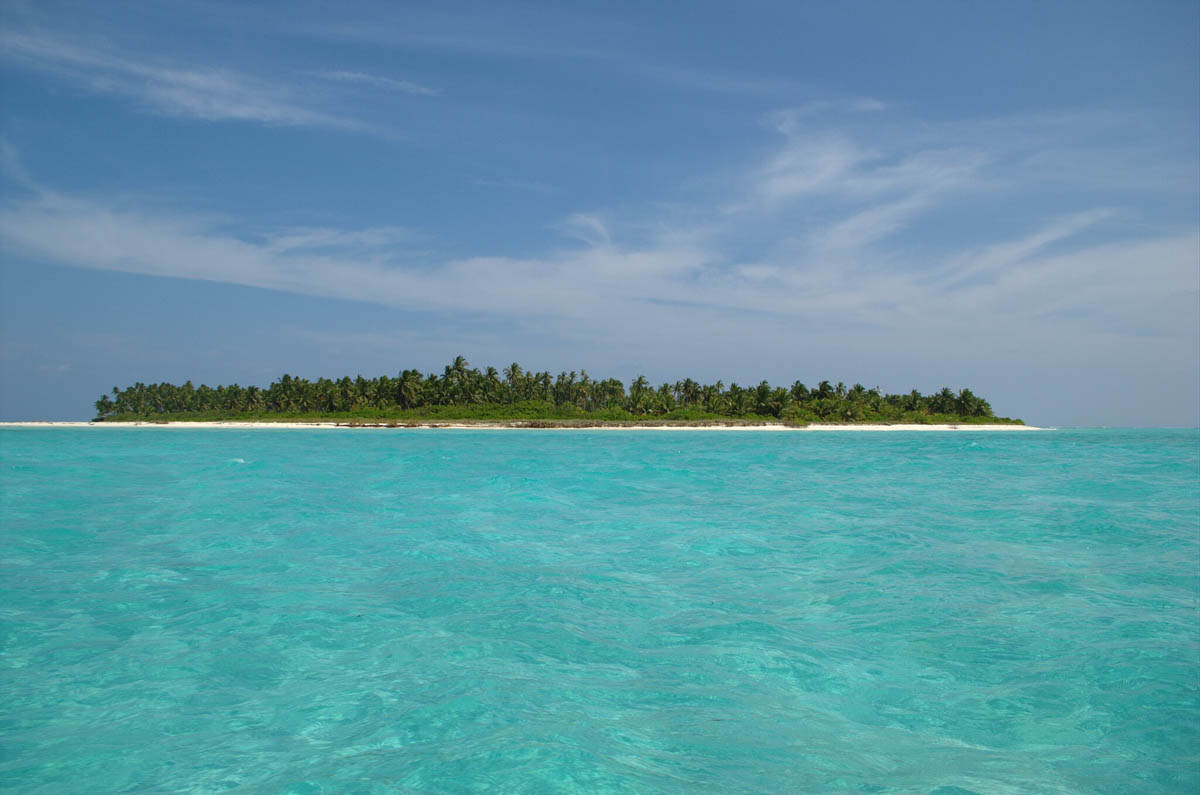
Lenish Namath, CC BY-SA 3.0, via Wikimedia Commons
Why Divers Should Choose India
Scuba diving in India offers more than just underwater adventure. Divers can combine their trips with cultural exploration, whether it’s relaxing on tropical beaches, exploring ancient temples, or enjoying vibrant local cuisine. Compared to more commercialized destinations, India’s dive spots retain an element of discovery, making each dive feel like an expedition into the unknown.
For those seeking variety, India is unmatched. Few destinations allow divers to experience atolls reminiscent of the Maldives, historic wrecks, and thriving coral reefs all within one country. This blend of culture, nature, and adventure makes India a diving destination worth adding to any bucket list.
Comments