




No place on Earth feels quite like the Galápagos. It’s raw, remote, rugged above the waves – and under the surface, it’s like entering a living, breathing museum of marine evolution. For decades, divers have whispered about the schools of hammerheads, the rare marine iguanas grazing underwater, the great pelagics that drift in from the horizon. Here’s a comprehensive guide to turning those whispers into your next dive trip.
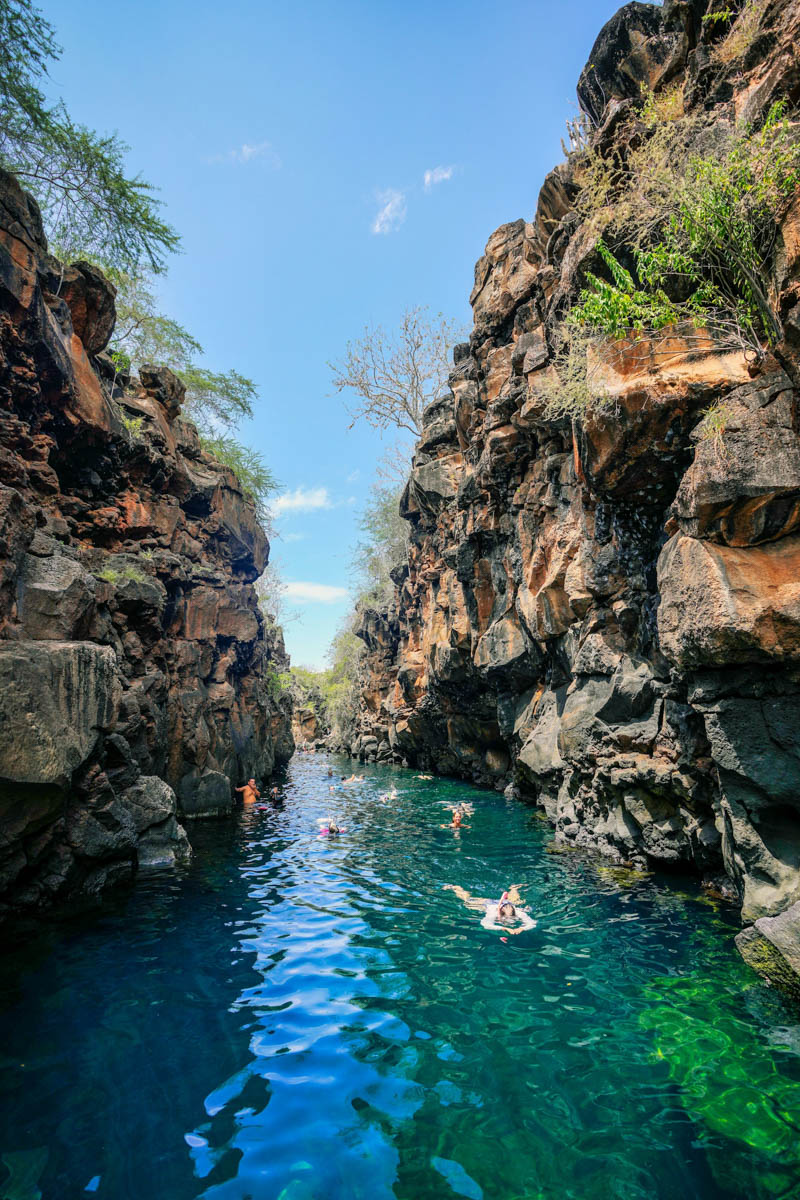
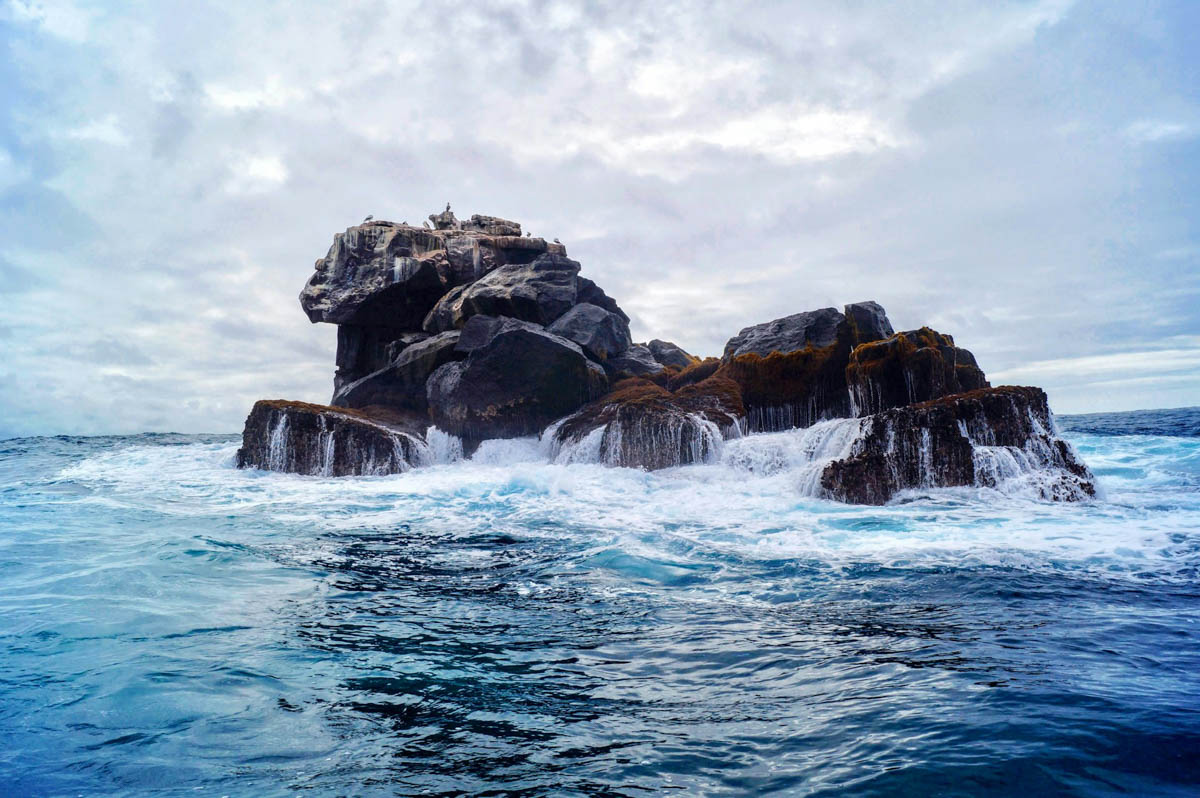
Photo by Andres Medina on Unsplash
The Allure: Why Divers Flock to the Galápagos
Biodiversity & Unique Wildlife
Due to its volcanic origin, its position near several converging ocean currents, and its isolation, the Galápagos is a hotspot of marine life, much of it endemic. Reef sharks, silky sharks, blacktips, Galápagos sharks, mola mola, rays, turtles, sea lions, whales, whale sharks (in season), and of course, the iconic marine iguanas — all play a role in the archipelago’s underwater drama.
Big Animal Encounters & Pelagic Heaven
This is one of the few places you can reliably dive among vast schools of hammerheads, swim alongside whale sharks, and watch sea lions perform acrobatics in the shallows. It’s these encounters that make the Galápagos such a holy grail for divers worldwide.
Dramatic Landscapes & Underwater Geology
Volcanic rock formations, walls, steep drop-offs, and underwater arches create not just stunning scenery but also attract an astonishing variety of marine life. Even after the famous Darwin’s Arch collapsed in 2021, the site remains one of the most spectacular underwater stages on the planet.
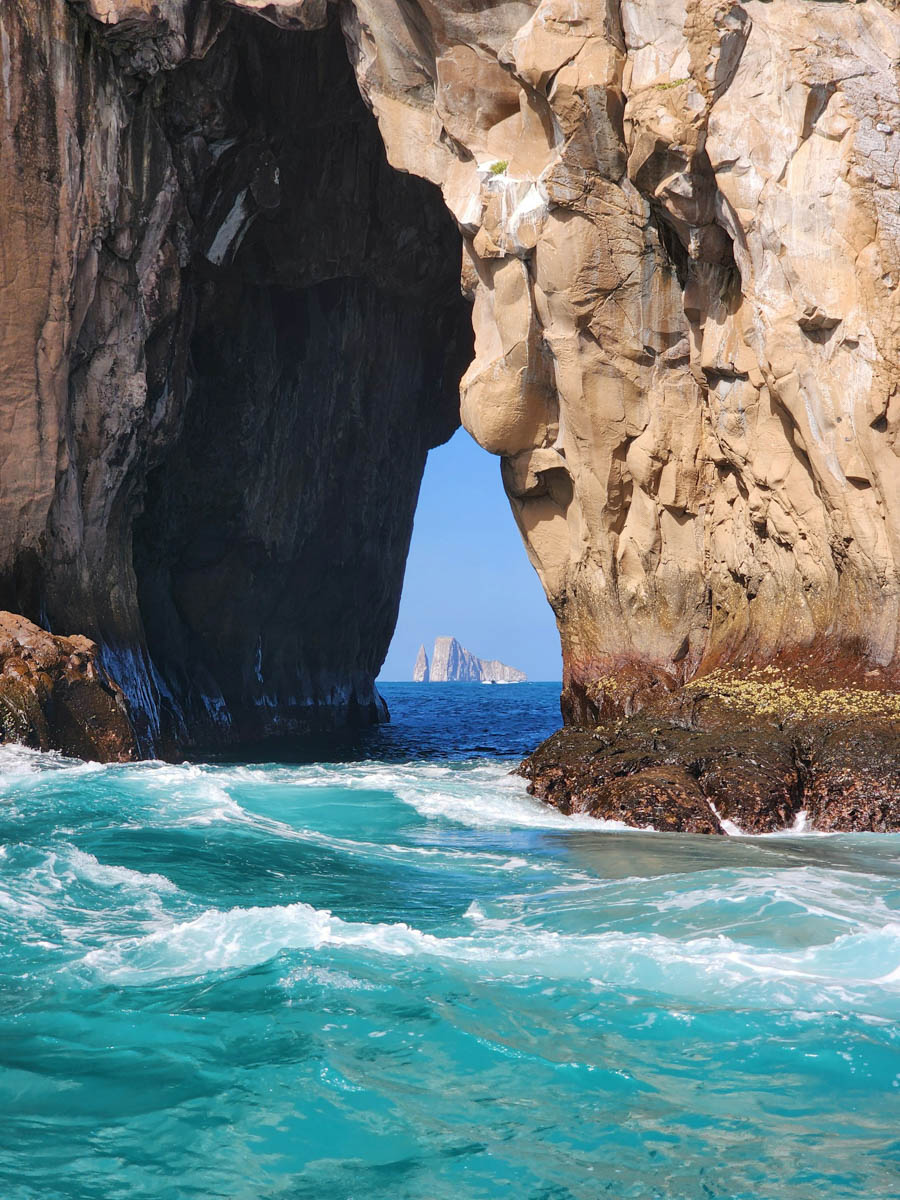
Photo by Nicolas Martin on Unsplash
What to Expect: Conditions, Challenges & Practicalities
The Galápagos is not a destination for the unprepared. Conditions can change dramatically between the warm season (December to May), when water temperatures reach 21–30°C and seas are calmer, and the cool season (June to November), when temperatures drop to 16–19°C and currents become more powerful – but so too does the marine action, with whale sharks arriving in force.
Diving here requires confidence. Strong currents, blue-water drift dives, and cooler waters are the norm. Most liveaboards require at least Advanced Open Water certification and a solid logbook. A 5–7 mm wetsuit, hood, and gloves are recommended for the cooler months, while your own well-fitting mask, dive computer, and fins can make the difference between a challenging dive and an enjoyable one.
Getting there involves an international flight into Ecuador (Quito or Guayaquil), followed by a domestic hop to Baltra or San Cristóbal. From there, divers can join land-based operators or more commonly liveaboards, which are the only way to access the remote northern islands of Darwin and Wolf.
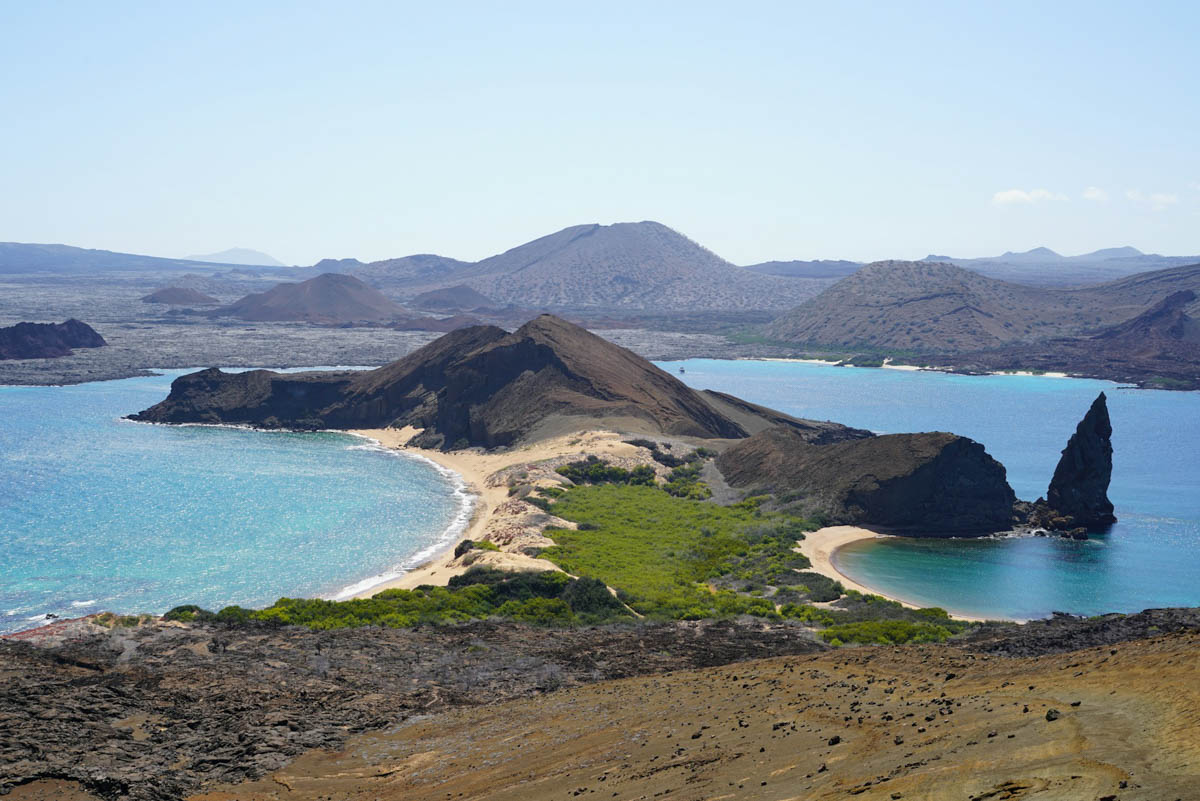
Photo by Heidi Bruce on Unsplash
Exploring the Dive Sites
The northern islands of Darwin and Wolf are the crown jewels of Galápagos diving. Isolated and exposed, they offer exhilarating encounters with vast schools of hammerheads, silky sharks, Galápagos sharks, and, during June to November, the awe-inspiring whale shark. The currents here can be fierce, the dives demanding, but the rewards are unparalleled.
Closer to the main islands, Gordon Rocks near Santa Cruz has earned a reputation as a training ground for strong current diving. Known locally as the “washing machine,” it offers swirling action, surge, and the promise of hammerheads cruising past its rocky slopes. For divers with experience, it’s a thrilling introduction to Galápagos’ underwater pulse.
Off San Cristóbal, the volcanic tuff cone of Kicker Rock (Leon Dormido) juts dramatically out of the ocean. Below the surface, a narrow channel between its cliffs creates a natural funnel where rays, reef sharks, and even marine iguanas are often spotted. It’s one of the most photogenic sites and a favorite among both divers and snorkelers.
For those seeking variety, Punta Vicente Roca on Isabela Island offers sheer walls and hidden caves, where mola mola (sunfish) occasionally glide by. The nutrient-rich waters here bring an abundance of life, from frogfish and seahorses to penguins darting past in search of anchovies.
The southern islands offer a different rhythm. At Floreana, sites like Devil’s Crown and Champion Islet are gentler yet equally rewarding, with colorful reef fish, sea turtles, eagle rays, and playful sea lions that swoop and spin around divers. It’s a reminder that not all Galápagos diving is about battling currents – sometimes it’s about slowing down and watching the reef breathe.
Other favorites include Santa Fe, Española, and Cousin’s Rock, where conditions are more forgiving, and encounters range from schools of barracuda to curious sea lions and reef sharks resting in sandy patches.
Photo by Andres Medina on Unsplash
Why Galápagos Is Different
Many destinations can offer sharks, rays, or warm-water reefs, but nowhere else fuses it all with endemic species, volcanic landscapes, and strict conservation protections. Here, you might start your day with hammerheads sweeping through the blue, then finish a dive face to face with a marine iguana nibbling algae off the rocks. It’s this fusion of big animal spectacle and evolutionary uniqueness that makes Galápagos one of the most extraordinary dive experiences on Earth.
Final Thoughts
The Galápagos isn’t a casual dive holiday, it’s an expedition. It demands preparation, respect for the environment, and a willingness to embrace challenging conditions. But for those who do, it offers something few other destinations can: the chance to witness the ocean at its most untamed, in a place where evolution still plays out before your eyes.
If it’s on your bucket list, don’t wait too long. The Galápagos is more than a destination – it’s a reminder of the ocean’s power, fragility, and wonder.

Comments