

Divers who ignore proper tank care can turn an exciting day underwater into a hazardous and costly experience. Every dive requires careful preparation, and preparation begins with gas safety practices that protect health and equipment.
Scuba tanks hold high-pressure air or gas mixtures, and even minor maintenance mistakes can result in serious safety hazards or costly replacements. A safe dive starts with the choices you make before leaving shore, so treat tank preparation as a precise process with these four tips.
Inspect Tanks Regularly for Damage
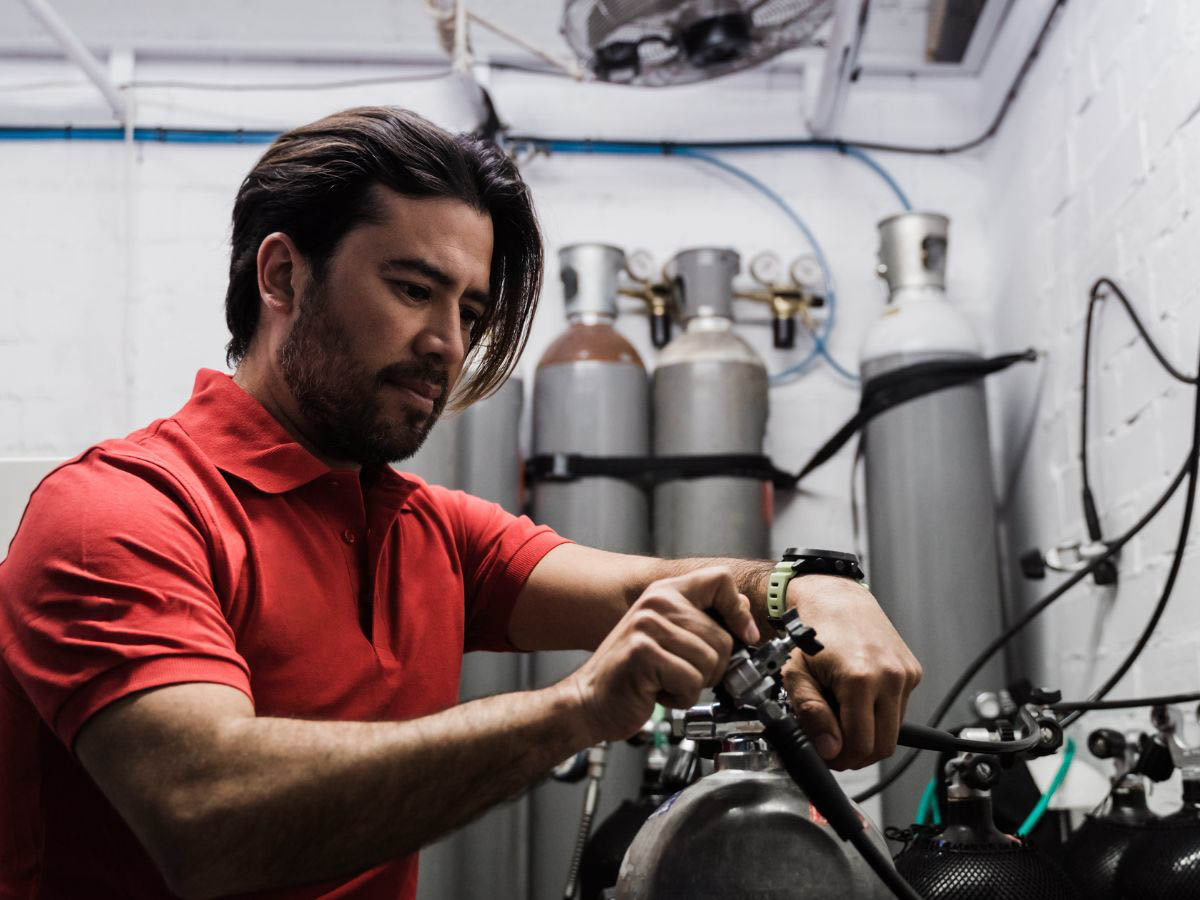
You should examine each scuba tank for visible flaws before every dive, paying close attention to dents, corrosion, or cracks that could compromise structural integrity. A detailed inspection also includes checking valve threads for wear and ensuring O-rings remain intact, as damaged fittings can cause dangerous air leaks under pressure. One of the best gas safety tips for maintaining scuba tanks is to recognize early signs of surface or valve damage and address them before the tank experiences stress at depth.
Careful divers should transition from the visual inspection to a functional check, confirming that the valve operates smoothly and without resistance. An unexpected hiss or uneven airflow indicates a problem that requires immediate attention from a qualified technician.
Clean and Store Tanks Properly
Saltwater residue corrodes metal surfaces and damages internal components, so you must rinse tanks with fresh water immediately after each dive. During cleaning, you should avoid spraying high-pressure water directly into the valve to prevent moisture from entering the interior. Another actionable gas safety tip for maintaining scuba tanks is to combine thorough cleaning with careful placement in a cool, dry space that protects them from direct sunlight and physical damage.
Long-term storage practices play an equally important role in tank safety. Always keep tanks upright with a small amount of internal pressure to guard against internal condensation.
Schedule Professional Servicing
Reusable and recyclable gas cylinders offer numerous benefits for safe gas storage throughout repeated cycles. However, they are not invulnerable and are not suitable for unlimited cycles.
Hydrostatic testing evaluates a tank’s ability to withstand high pressure and should take place according to local regulations, which typically require testing every three to five years. Certified technicians utilize specialized equipment to identify structural weaknesses that are invisible to the naked eye, and their findings directly impact your safety at depth.
Maintaining a detailed service log allows you to track testing dates, part replacements, and technician notes, creating a reliable maintenance history. Maintenance records help you anticipate future servicing needs and avoid missing critical deadlines.
Monitor and Maintain Air Quality
Before filling your tank, you should test for contaminants such as carbon monoxide or excess moisture, both of which can cause serious health complications. Poor-quality air not only affects your physical well-being but also increases the likelihood of internal tank damage from corrosion or chemical reactions.
You should choose reputable fill stations with certified compressors to reduce the risk of harmful substances entering your breathing gas. After confirming the fill quality, shift your focus to personal safety and learn the signs of early symptoms of bad air underwater, such as dizziness or unusual shortness of breath. You want to be able to respond quickly and safely to faulty tanks.
Always report any suspected contamination immediately and have the tank inspected by a qualified technician afterwards. Safe diving always starts with a disciplined approach to equipment care, and your scuba tanks demand particular attention.
