




GoPro has moved to reassure customers that it intends to keep developing cameras following its proposed merger with Starman Optical. For divers who have built their underwater photography setups around the brand, the reassurance is welcome. The more important question is what the deal will mean for future cameras, accessories and the wider underwater imaging market.

The announcement on 1 September initially raised questions because much of the proposed transaction focused on opportunities beyond consumer cameras. GoPro and Starman outlined plans to expand into AI infrastructure, government, defence, robotics and aerospace, while promising continued support for existing consumer products and services.
Two days later, founder and CEO Nick Woodman addressed the concern directly. In an open letter to GoPro customers, he said the company plans to deliver more innovative cameras, smarter accessories and improved software and services.

That is a clearer commitment to future camera development than the original merger announcement. It is not, however, a confirmed roadmap for new products.
What is actually happening to GoPro?
Under the definitive merger agreement announced on 1 September, GoPro shareholders are expected to receive an aggregate cash payment of $285 million, subject to adjustment, and retain approximately 10% of the combined company. Approximately $92 million of GoPro debt is also expected to be repaid at closing.
The transaction is intended to strengthen GoPro’s finances and bring Starman’s optical-photonics business into the company. GoPro is expected to remain publicly listed, with the merger scheduled to close by the end of 2026, subject to shareholder and regulatory approvals and other closing conditions.
The deal has not yet completed.
The financial background helps explain why GoPro is pursuing a broader business. Reuters reported that the company has faced declining revenue, rising costs and increasingly strong competition from rival action-camera manufacturers. The proposed merger offers a route to new markets while retaining the GoPro brand and its consumer business.
Why divers should care
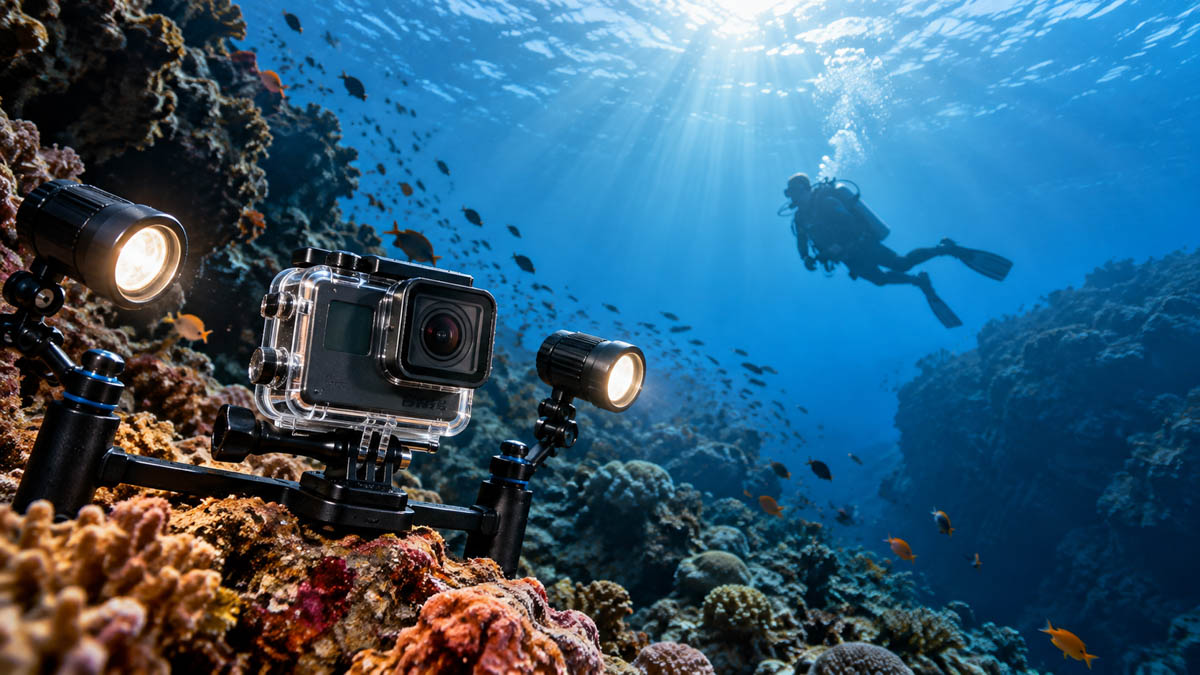
For many divers, a GoPro is more than a camera purchased in isolation. It is part of a system that may include underwater housings, mounting hardware, filters, lights, batteries and an established editing workflow.
That makes continuity important. A diver considering an upgrade wants to know whether the camera system they have invested in will continue to develop, whether future models will offer meaningful improvements and whether the accessories they rely on will remain useful.
There is currently no evidence that GoPro intends to discontinue its existing consumer cameras or withdraw support for them. In fact, a communication to customers, partners and suppliers filed with the SEC states that the current product lineup will remain in production and available for purchase, with products, services and support continuing as usual.
That is an important distinction. Divers do not need to treat the merger as a reason to abandon their existing equipment or rush into a replacement purchase.
The promise is encouraging, but the details matter
Woodman’s letter goes further than simply promising to maintain the current range. He says the merger should put GoPro in a stronger financial position to innovate and develop new cameras, accessories and software.
For underwater photographers and videographers, that creates the possibility of continued improvements in areas such as image quality, low-light performance, battery life, stabilisation and ease of use. These are areas where future development could make a meaningful difference underwater, but GoPro has not announced specific post-merger improvements in any of them.
Nor has the company confirmed a new diving-focused camera, underwater housing, release date or development budget as part of the merger announcement.
The distinction matters because a commitment to continue making cameras is not the same as a commitment to a particular product or feature. The next meaningful test will be what GoPro actually brings to market after the transaction, and how much attention its consumer camera business receives alongside its new commercial and industrial ambitions.
A changing action-camera market
GoPro’s position in underwater imaging also has to be considered against a more competitive market. Divers now have a wider choice of compact action cameras and underwater imaging systems than they did when GoPro became the default name associated with the category.
Competition is useful for consumers when it encourages manufacturers to improve image quality, usability, accessories and value. A financially stronger GoPro that continues to invest in its consumer products could therefore be good news for the wider market, not just existing GoPro owners.
Equally, the company’s expansion into other sectors raises a reasonable question about priorities. GoPro says diversification will strengthen its ability to develop cameras. Whether that translates into sustained investment in products for consumers and professionals remains to be seen.
What happens next?
The proposed merger is expected to close by the end of 2026, although that timetable remains subject to the necessary approvals and conditions. GoPro has said it plans to provide further information about the transaction after closing.
For divers, the practical position is straightforward. Existing products and services are expected to continue, and the company has explicitly stated its intention to keep developing cameras. There is no confirmed reason to change an equipment purchase or upgrade plan solely because of the merger.
The longer-term question is whether GoPro can use its stronger financial position to deliver the next generation of cameras and accessories that underwater users want.
The Scuba News will be seeking further comment from GoPro on its plans for underwater imaging, including the future of its camera ecosystem and the role divers will play in the company’s consumer product strategy.
Comments