



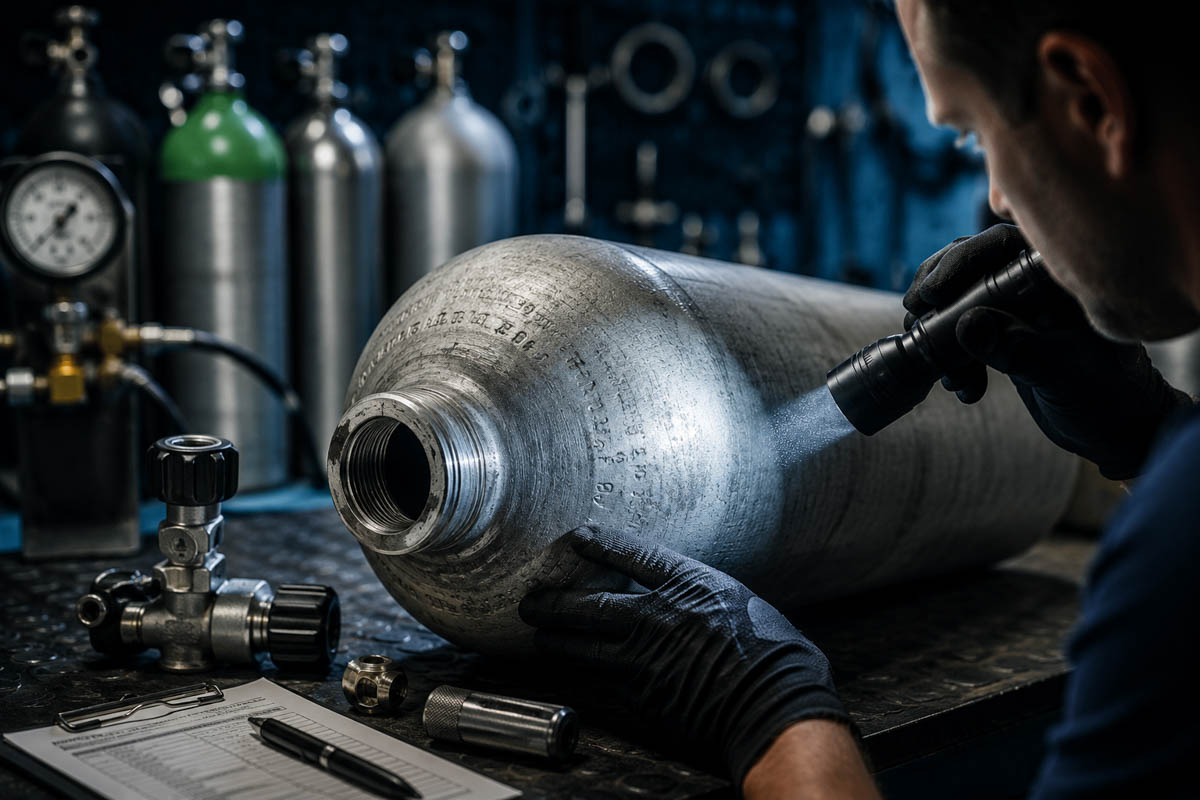

The modern scuba cylinder traces back to 1839, when James Elliot and Alexander McAvity of Saint John, New Brunswick, developed an early version. Today, these tanks are most often charged with compressed air, but they can also be filled with specialized gas blends—such as Nitrox, Heliair, or Hydrox—to tailor performance. Using alternative mixtures can help divers reach greater depths, reduce the duration of decompression stops, and lower the likelihood of decompression-related injuries.Engineered to endure the demanding conditions of diving, scuba cylinders are remarkably durable pieces of equipment. However, ensuring their long-term safety and reliability requires consistent care and strict maintenance routines. The most critical component of this upkeep is a comprehensive visual inspection, an essential safety evaluation that every active dive tank must successfully pass at least once a year.
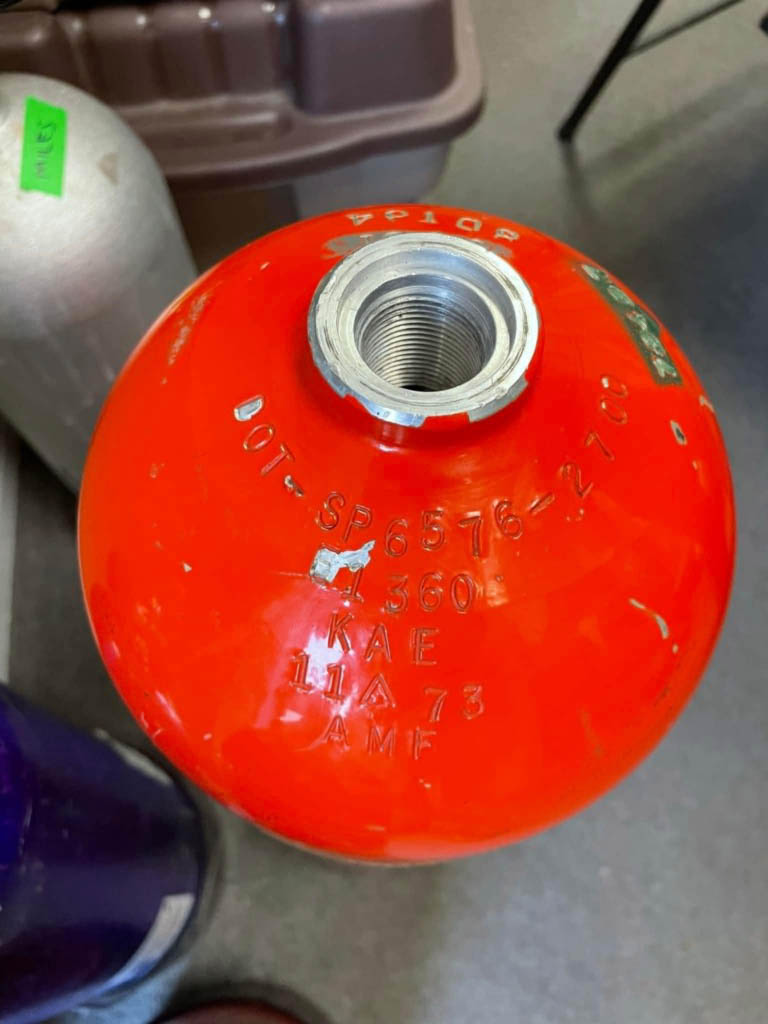
Back in 2017
Two separate incidents involving the rupture of 6351-T6 alloy scuba tanks have highlighted the critical importance of proper equipment maintenance. Investigations indicate that both catastrophic failures resulted from sustained load cracking, a specific metallurgical defect known to plague older aluminum cylinders. While bystanders in one of the explosions luckily walked away with only minor injuries, the other blast inflicted devastating trauma. Notably, both of these catastrophic failures took place in nations lacking stringent safety standards and oversight for high-pressure gas cylinders.

A closer look at the circumstances reveals a dangerous pattern of negligence that directly contributed to these accidents. Both of the compromised tanks had recently been cleared for use through hydrostatic testing, but the procedures were performed by entirely unqualified technicians. Furthermore, neither cylinder had undergone a proper evaluation by a certified visual inspector. Most critically, both tanks completely bypassed eddy-current testing—an advanced electromagnetic screening required by United States Department of Transportation (USDOT) regulations specifically to detect hidden microscopic cracks before a disaster occurs.

An explosion of a dive cylinder is catastrophic, releasing the equivalent force of dynamite. It is the exact reason modern visual inspections and testing protocols are so strict. Under continuous, high-pressure stress (like a tank sitting fully filled in storage), the metal undergoes a phenomenon called Sustained Load Cracking (SLC).
How the Failure Happens:
- The Origin: Microscopic cracks spontaneously form deep inside the neck and screw threads of the tank.
- The Invisible Growth: Driven by the intense internal pressure, these cracks slowly grow outward through the thickest part of the neck and shoulder.
- No Warning (No “Leak Before Burst”): Unlike steel, which often develops a small leak that hisses and vents pressure safely, 6351-T6 lacks this “Leak Before Burst” behavior. The crack grows until the remaining metal can no longer hold the pressure.
- Catastrophic Rupture: The neck completely shears off, or the shoulder splits open, instantly releasing thousands of pounds of pressure. The tank effectively turns into a bomb or a rocket, tearing through walls, fill stations, and causing severe, sometimes fatal injuries.
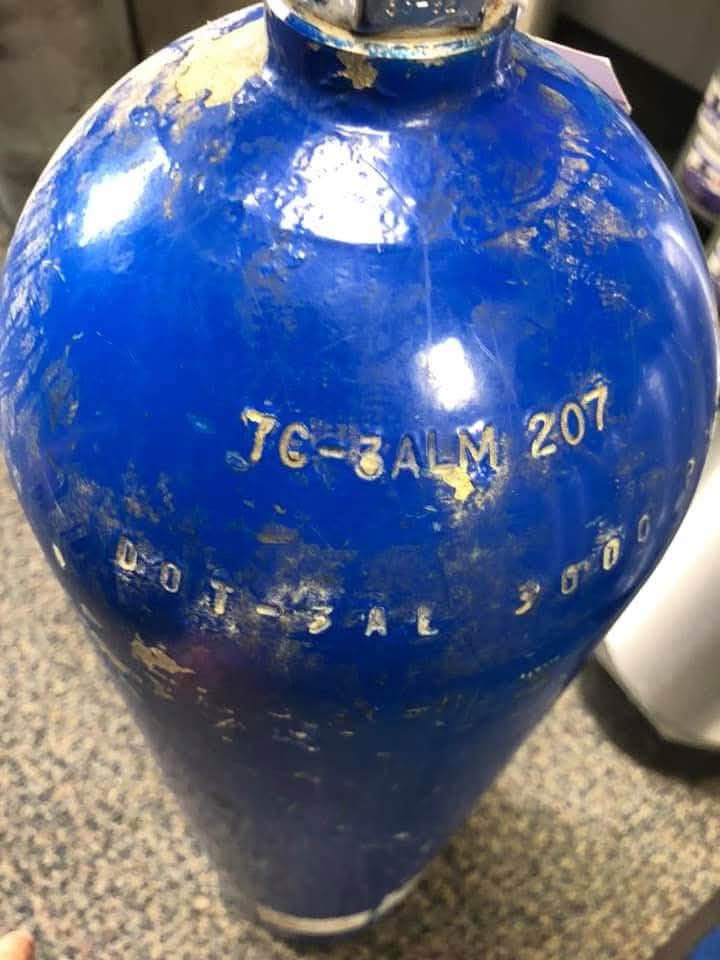
By the middle of 1988, scuba cylinder manufacturers completely phased out the problematic 6351 alloy in favor of a much safer metal blend known as 6061-T6 aluminum. This metallurgical shift proved to be highly effective, as there has not been a single documented instance of sustained load cracking failure in cylinders made from the 6061-T6 alloy in the decades since its adoption. Thanks to this engineering correction, contemporary aluminum dive tanks provide a remarkably high level of safety for divers and fill station operators alike.

Even though fewer than 40 major ruptures have been documented worldwide out of millions of 6351-T6 cylinders produced, the diving community responded with an absolute, uncompromising stance due to the lethal nature of these failures. This zero-tolerance approach led to a widespread ban on air fills, with nearly all modern dive shops flatly refusing to service any aluminum cylinder manufactured in 1988 or earlier to protect their staff from unnecessary risk. Furthermore, strict safety regulations now mandate that filling stations utilize heavy-duty steel water tubs or reinforced blast shields, ensuring operators are protected in the event that a compromised vintage cylinder inadvertently makes its way to the compressor. Ultimately, the tragic history of these accidents serves as a stark warning that these legacy tanks pose a severe hazard and should never be filled with pressurized gas.
Conducting a proper scuba cylinder inspection involves far more than simply unscrewing the valve to glance inside the cylinder. As divers, we typically undergo this routine evaluation every twelve months, often prompted by a dive shop employee who notices an expired inspection sticker when we bring the tank in for an air fill. While this annual requirement is easy to overlook, staying current on maintenance is a foundational element of safe diving practices. To better understand this critical safety barrier, it helps to examine the actual steps of the inspection process, alongside the three distinct categories of visual inspection certifications and the hidden risks that divers face when they cannot tell the difference between them.
Inseption of Dive Tanks
Preparation and Planning: Setting up the inspection area and gathering the necessary specialized tools, lights, and reference manuals.
Sampling: Selecting the specific cylinder for evaluation and ensuring it is completely depressurized before work begins.
Visual Inspection: Thoroughly examining both the internal and external surfaces of the tank for signs of corrosion, pitting, cracks, or structural damage.
Functional Testing: Checking the tank valve and its internal components to ensure they operate smoothly and seal correctly under pressure.
Measurement and Specification Verification: Utilizing specialized gauges to measure thread integrity, wall thickness, and depth of any detected pits against strict regulatory standards.
Packaging and Labeling Review: Inspecting the regulatory stamps, serial numbers, and existing decals on the tank to verify its manufacturing history and compliance.
Reporting and Feedback: Documenting the final results of the inspection, applying a new official compliance sticker if the tank passes, and providing the owner with a detailed safety report.
In Canada, many dive shops and cylinder service facilities employ technicians trained through Professional Cylinder Inspectors, Inc. (formerly Professional Scuba Inspectors). PSI-PCI training is recognized by cylinder manufacturers and references Transport Canada requirements.
For scuba cylinders in Canada, a visual inspection is generally expected every 12 months, while hydrostatic test intervals depend on the cylinder type and Transport Canada requirements.
Photos provided from Mitchell Wilson @ Rec and Tek
Comments