



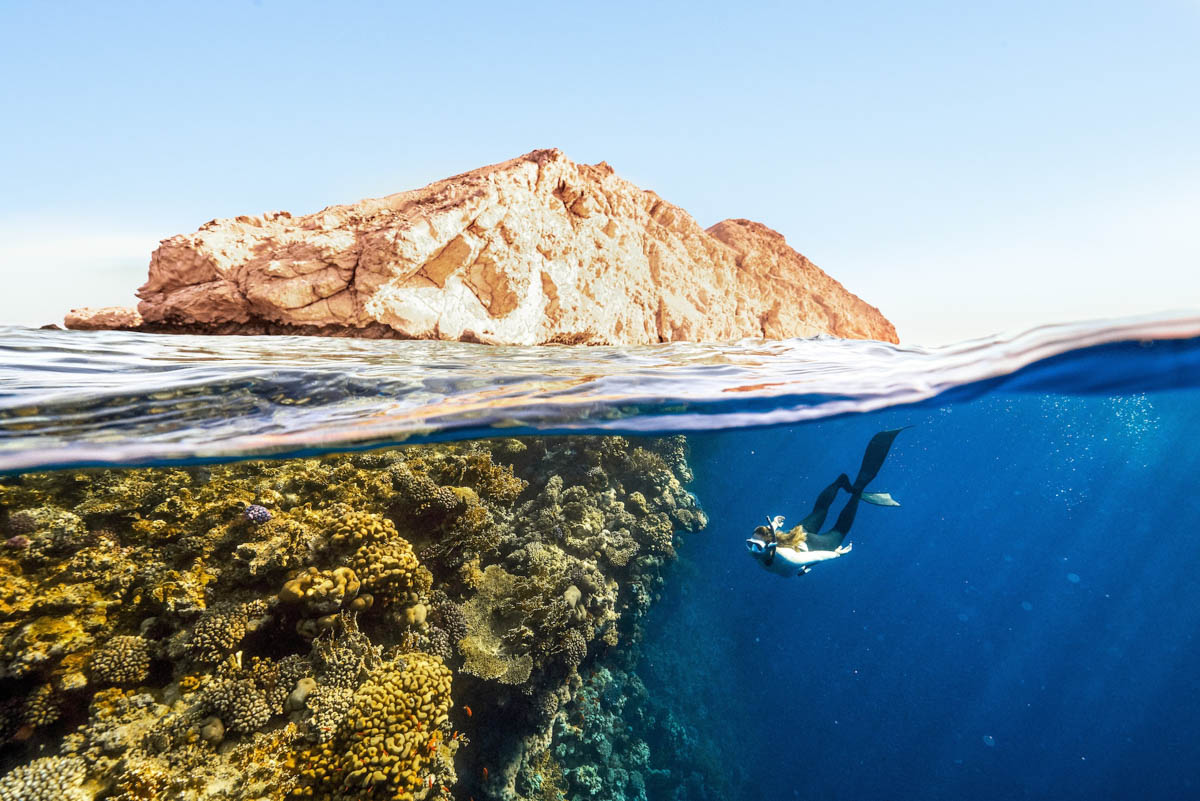

Saudi Arabia’s ambitious Red Sea tourism expansion is positioning itself as more than a luxury travel project. Developers now say the region could deliver measurable gains for marine ecosystems, a claim that is already attracting attention from conservationists and the global diving community.
According to a recent report in Arab News, Red Sea Global has unveiled a long-term regenerative tourism framework designed to achieve a 30 percent net-positive conservation benefit by 2040. The model focuses on restoring habitats, protecting biodiversity, and reshaping how tourism infrastructure interacts with fragile reef environments across the Saudi coastline.

For divers watching the rapid growth of Red Sea destinations, the announcement signals a shift in how large-scale projects are framing their environmental responsibilities. The region has long been known for pristine reefs, strong pelagic encounters, and relatively low historical pressure compared with other global hotspots. That reputation is now central to Saudi Arabia’s broader tourism vision.
A science-driven approach to marine protection
The framework outlines measures aimed at improving reef health and marine life abundance, including expanded no-take zones, enhanced fisheries management, and continuous environmental monitoring. Developers claim that these efforts will not only prevent damage but actively increase populations of reef fish, sharks, and marine mammals in areas such as the Al-Wajh Lagoon.
For the diving industry, these claims carry significant weight. Healthy ecosystems are the foundation of sustainable dive tourism, and any project promising measurable ecological gains inevitably raises both optimism and scrutiny. Conservation targets tied to measurable outcomes are becoming more common across the wider travel sector, yet few developments operate at the scale proposed along Saudi Arabia’s Red Sea coast.
What it could mean for future dive access
While the environmental messaging is ambitious, divers are likely to focus on how conservation rules translate into real-world access. Protected zones and stricter fisheries regulations often improve marine biodiversity over time, but they can also reshape where and how divers are allowed to explore.
The Saudi Red Sea has already attracted attention for its potential to rival established destinations in Egypt and elsewhere. If conservation measures succeed in boosting marine life populations, the area could become one of the most closely watched emerging dive regions in the world. At the same time, balancing ecological protection with visitor access will be critical to maintaining credibility within the diving community.
A broader trend toward regenerative tourism
The concept of “regenerative tourism” has become increasingly prominent in recent years, moving beyond sustainability to focus on leaving ecosystems healthier than before development began. Red Sea Global’s framework reflects this wider shift, aligning large tourism projects with long-term environmental outcomes rather than short-term marketing claims.
For industry observers, the real test will come not from announcements but from transparent reporting and measurable results over time. Divers have seen sustainability promises before, and many are increasingly cautious about bold environmental messaging from large developers. Consistent data, independent monitoring, and clear communication with the diving community will likely determine whether these ambitions are seen as transformative or simply aspirational.
Why divers should pay attention now
Regardless of where the debate ultimately lands, the scale of investment along Saudi Arabia’s Red Sea coast means the project will influence regional diving for decades. New marine policies, conservation zones, and tourism infrastructure have the potential to reshape migration patterns, reef protection strategies, and future liveaboard routes across the northern Red Sea.
For The Scuba News audience, the key takeaway is not just the promise of new luxury resorts or untouched reefs. It is the evolving relationship between large tourism developments and the health of the underwater world. If regenerative tourism models succeed here, they could set a precedent for how dive destinations are built and managed globally.
As the project moves forward, divers will be watching closely. The Red Sea has long been one of the planet’s most iconic underwater environments, and any effort to enhance its ecological resilience while expanding tourism will inevitably spark both excitement and debate within the industry.
Comments