


Sharks excite the imagination, and they provoke fear. For divers they also offer some of the most memorable encounters the ocean can deliver. This feature looks at why sharks mean so much to people, how modern shark diving works, what the science says about safety and behavioural change, and how divers can approach encounters with respect for both their own safety and the animals.
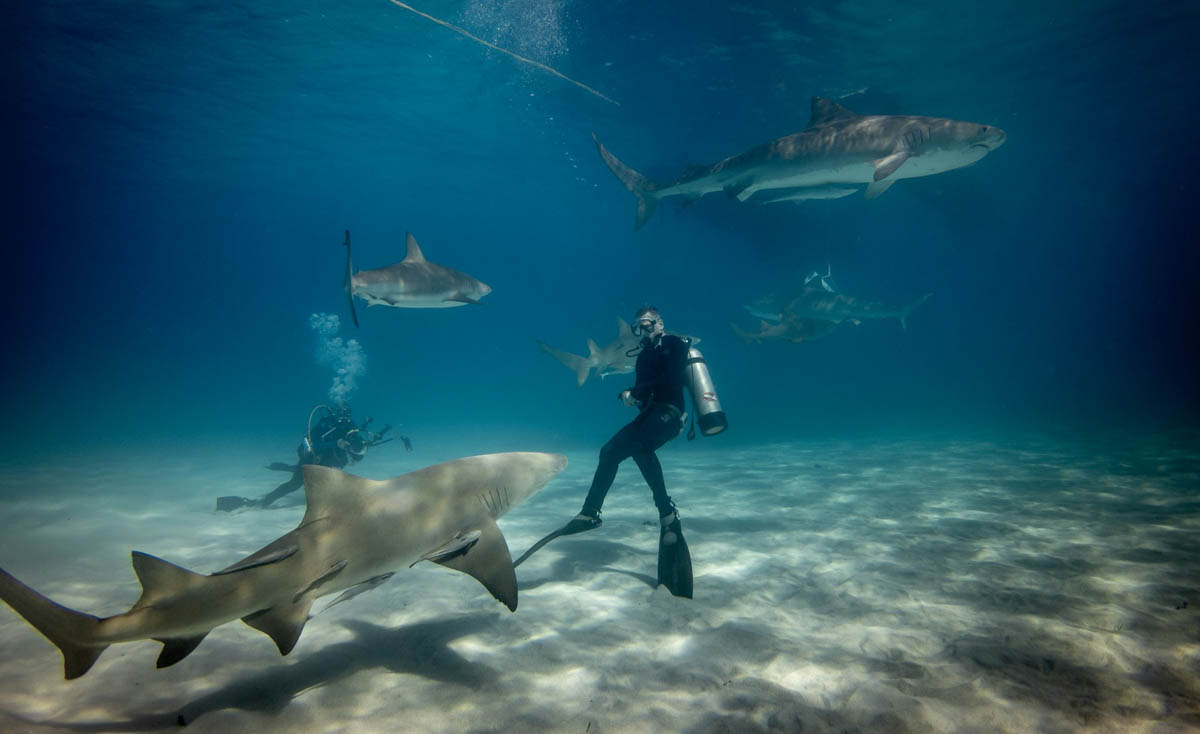
Photo by Gerald Schömbs on Unsplash
Why Sharks Stir Us
Sharks sit at the intersection of myth and biology. Hollywood created icons like the great white in the movie Jaws, and that image stuck. The story of a solitary, stalking killer is powerful, but it is a poor guide to reality. Most shark species pose little or no threat to people, and statistically unprovoked bites are rare. According to the International Shark Attack File, the number of confirmed incidents each year remains low, a reminder that the real risk is small compared with many everyday activities.
Yet the visceral effect of a large, toothy predator moving through blue water is immediate; it is a perfect recipe for both fear and fascination.
Sharks Up Close: The Biology That Matters
Not all sharks are the same. Reef species such as Caribbean reef sharks, grey reef sharks, and nurse sharks have different diets and behaviour from oceanic species such as tiger sharks, bull sharks, and great whites. Some are curious and tolerant of divers; others are more solitary, or more likely to show territorial or scavenging behaviours.
Understanding species-specific behaviour, seasonal movement, and local prey dynamics is essential to predict how an encounter will unfold. Divers who know even the basics of shark ecology feel calmer and more confident in the water.

Where to See Sharks, and What to Expect
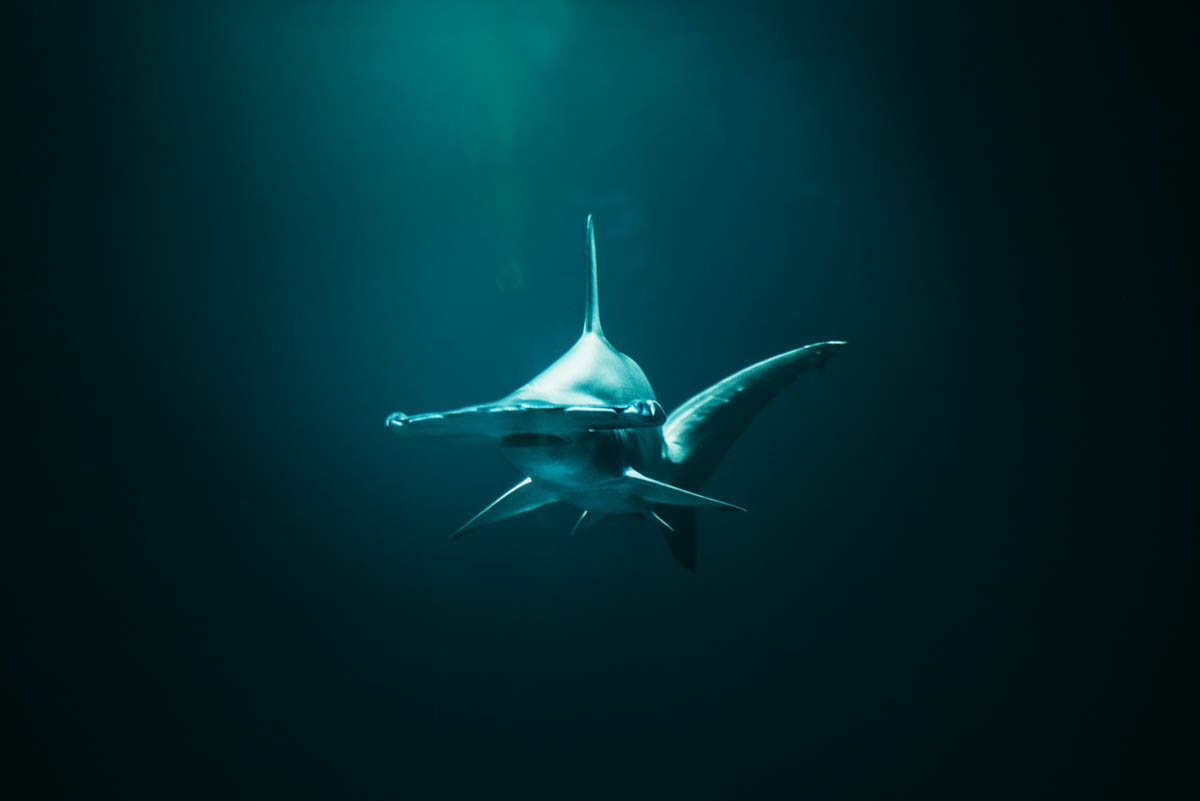
There are established destinations where shark encounters are reliable. Tiger Beach in the Bahamas is famous for tiger and Caribbean reef shark experiences. The Galápagos Islands and Cocos Island attract hammerheads and oceanic species, while South Africa and Australia are known for great white cage dives.
Places such as the Maldives, Fiji, and Mexico can offer reef shark and bull shark sightings depending on season and site. Each location delivers a different style of encounter, from shallow, relaxed reef dives where reef sharks cruise by, to deep pelagic sites where aggregations and more unpredictable behaviour are part of the draw.
If you are choosing a destination, check dive operator reviews and ask about the methods used to attract sharks.
Safety for Divers: Practical Protocols
Shark diving has an excellent safety record compared with many adventure activities, and much of that comes down to protocols. Experienced operators, professional guides, and clear rules make a big difference.
Key practical points include:
- Never dive alone, stay in a compact group, and follow your guide. Sharks are less likely to focus on a larger group, according to PADI’s shark diving safety advice.
- Maintain slow, calm movements, keep breathing regular, and avoid splashing.
- Do not provoke or try to touch sharks, and never block their escape routes.
- Understand the difference between provoked and unprovoked shark incidents; most provoked bites follow risky behaviour such as attempting to feed or handle an animal.
Many of these straightforward safety measures are as much about respect as about risk mitigation. Operators that brief divers fully, enforce rules on-site, and run dives conservatively produce calmer, more enjoyable encounters.

Cage Diving and Baiting: The Ethical Debate
Cage diving and baiting attract tourists and photographers, but they also raise important questions. Research published in Marine Ecology Progress Series and by the Australian Institute of Marine Science shows that repeated baiting can alter shark behaviour in the short and long term. Some studies find changes in site fidelity and movement patterns after frequent feeding, while others suggest that well-regulated operations can minimise negative impacts while delivering economic benefits for conservation.
If you choose a cage or baiting experience, look for operators who follow published best practice, who do not overfeed, and who operate within a clear regulatory framework.
The Numbers: Perspective on Risk
Data from the International Shark Attack File show that confirmed unprovoked bites remain consistently low relative to the number of people who enter the ocean. This does not mean every encounter is risk free, but it does show that fascination should replace fear for divers participating in well-managed shark dives.

Responsible Diving with Sharks: A Diver’s Checklist
If you want to dive with sharks, consider these points before you book:
- Ask operators about their safety and animal welfare protocols, and request references or recent guest reports.
- Prefer those who brief divers thoroughly, limit group sizes, and avoid conditioning practices such as overfeeding.
- Match your experience to the dive conditions; pelagic shark dives often require open-water certification and confident buoyancy control.
- Choose conservation-minded operators whose fees support marine protection or research.
What Science Says About Behavioural Change
The University of Miami’s Rosenstiel School and other marine science programs have found that wildlife tourism can influence animal behaviour if feeding becomes predictable. For sharks, the evidence is mixed, varying by species and site. Some show temporary changes in aggregation or surface approach patterns, while others appear unaffected beyond short-term curiosity.
The best approach is regulated tourism linked to ongoing research and adaptive management, ensuring shark encounters remain both ethical and sustainable.
Changing the Story: From Fear to Respect
Divers who once felt uneasy often return from shark dives transformed. Curiosity replaces fear, and a sense of stewardship grows. When divers see sharks as apex predators that keep marine ecosystems balanced, they are more likely to support marine protected areas and sustainable practices.
Tourism can become a conservation mechanism if revenue supports local communities and science-based protection. In this sense, responsible shark diving contributes directly to the species’ survival.

Photo by Jakob Owens on Unsplash
Practical Advice for First-Timers
If you are booking your first shark dive, choose a reputable operator in a proven destination such as the Bahamas, Galápagos, South Africa, or Mexico, and be honest about your experience level. Take a buoyancy refresher if needed, use a compact camera that doesn’t require frantic movement, and pay close attention to your guide’s briefing.
Let the encounter unfold naturally. Sharks are intelligent and often curious, and most interactions are calm. After the dive, debrief with your guide and ask about the species’ behaviour and conservation—those conversations often deepen the experience.
Final Thought
Shark diving is an exercise in perspective. It challenges fear, replaces it with respect, and strengthens our understanding of the ocean. Done well, it is thrilling and profoundly educational. Done poorly, it risks conditioning animals and eroding the wildness that draws us to them.
Approach shark encounters with humility, preparation, and care, and you will find that fascination wins over fear every time. The memory of a wild shark gliding through blue water is something that stays with you for life.
Comments


1 Comment
This article beautifully captures the emotional journey of shark diving! The balance between fear and fascination is exactly what makes these encounters so transformative. I love how you’ve highlighted the conservation angle – every diver who has a positive shark encounter becomes an advocate for their protection. The shift in public perception you mention is crucial for shark conservation efforts worldwide. I’ve been documenting shark diving experiences and conservation initiatives at https://shark-diving.com, and it’s inspiring to see more people embracing respect over fear. Thank you for this thoughtful piece!