



A new conservation-focused liveaboard expedition is set to head into the offshore waters of Mexico’s Baja Peninsula next year, offering divers and snorkelers the opportunity to encounter large pelagic species in one of the planet’s most biologically productive marine environments.
Marine advocacy organisation Shark Angels has announced a seven-night expedition running May 30 to June 6, 2026, departing from La Paz in Baja California Sur. The voyage will explore the Sea of Cortez, often referred to as “the Aquarium of the World,” a term popularised by Jacques Cousteau to describe the region’s extraordinary biodiversity.
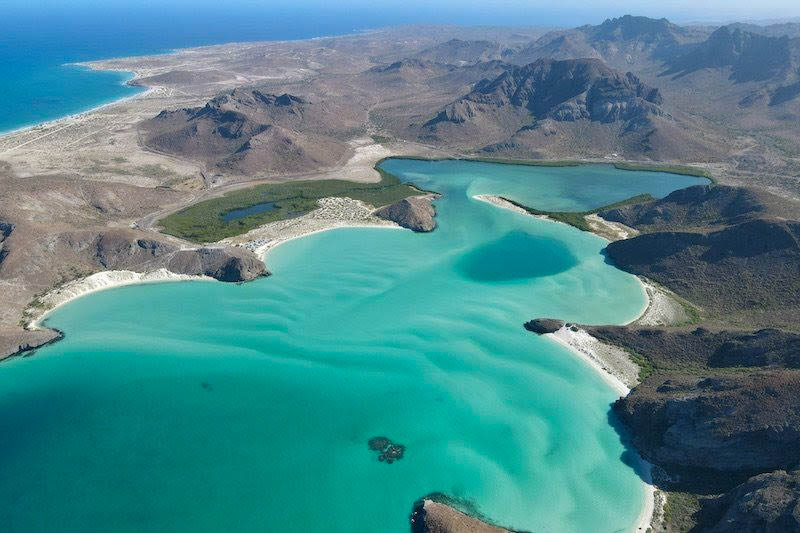
Designed Around Wildlife, Not Itineraries
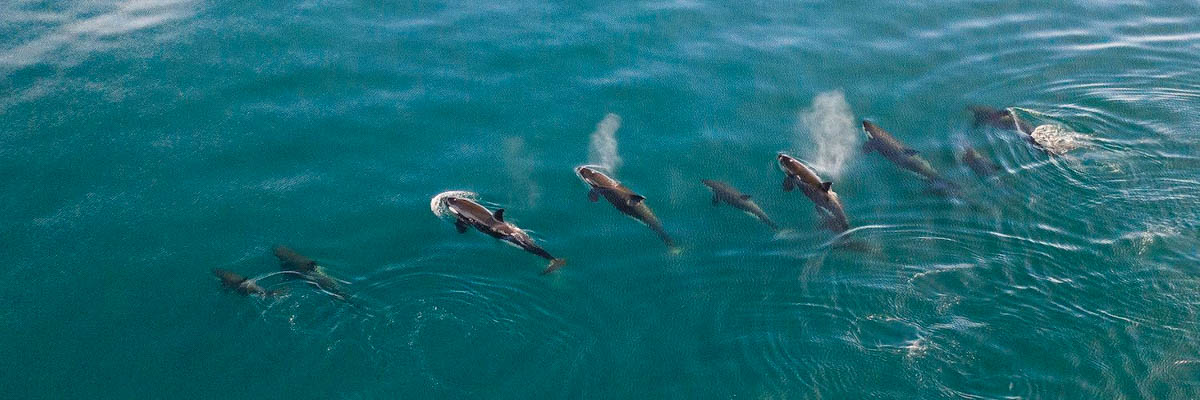
Unlike conventional dive charters that operate on fixed site schedules, this expedition is structured around real-time wildlife movement and ocean conditions. The route will remain flexible, allowing the team to pursue active sightings of species such as orcas, mobula rays, whales, whale sharks, and sea lions.
Organisers say the objective is to follow nature rather than adhere to a checklist of predetermined dive sites. That approach reflects a growing trend in expedition-style dive travel, where adaptability and patience often deliver more meaningful wildlife interactions.
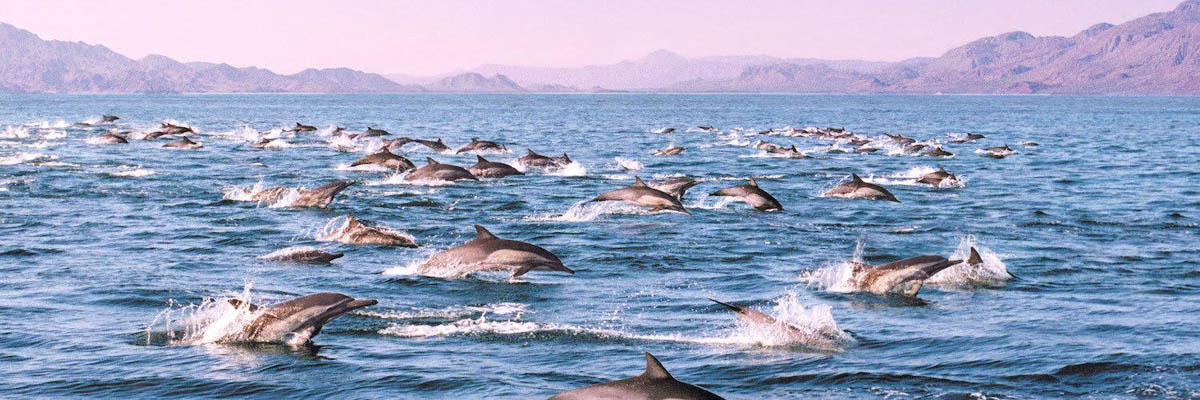
Snorkelers and Divers on the Same Platform
The expedition is open to both certified scuba divers and snorkelers, with no certification required to participate. Surface encounters will form a significant part of the experience, allowing mixed-experience groups to travel together without excluding non-divers.
By blending snorkeling and scuba diving within the same framework, the programme aims to broaden access to pelagic encounters while maintaining a high standard of in-water conduct.
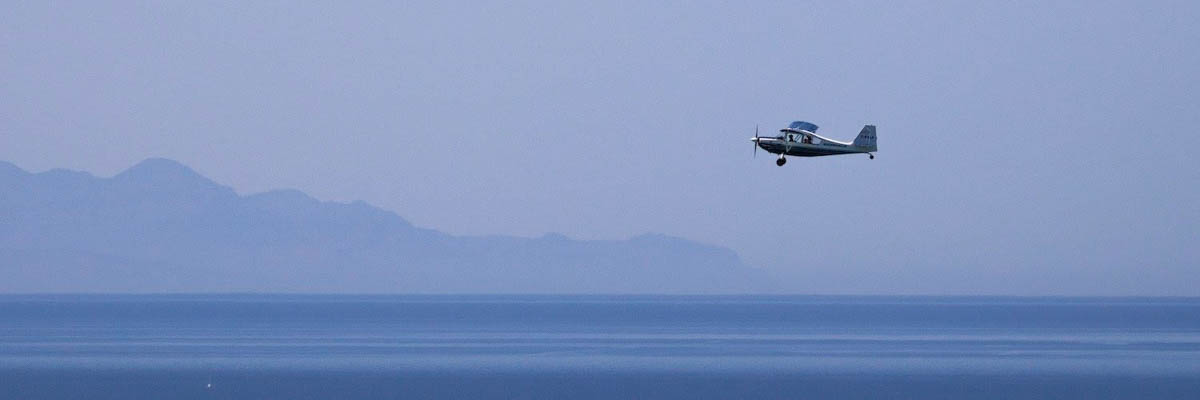
Aerial Spotter Support
One of the defining operational features is the use of a dedicated aerial spotter plane. More commonly associated with marine research than tourism, aerial support can significantly expand the search radius for active wildlife, particularly highly mobile species such as orcas and mobula rays.
Used responsibly, spotter aircraft can increase encounter opportunities while reducing unnecessary vessel searching time, which in turn may lessen fuel consumption and limit disturbance.
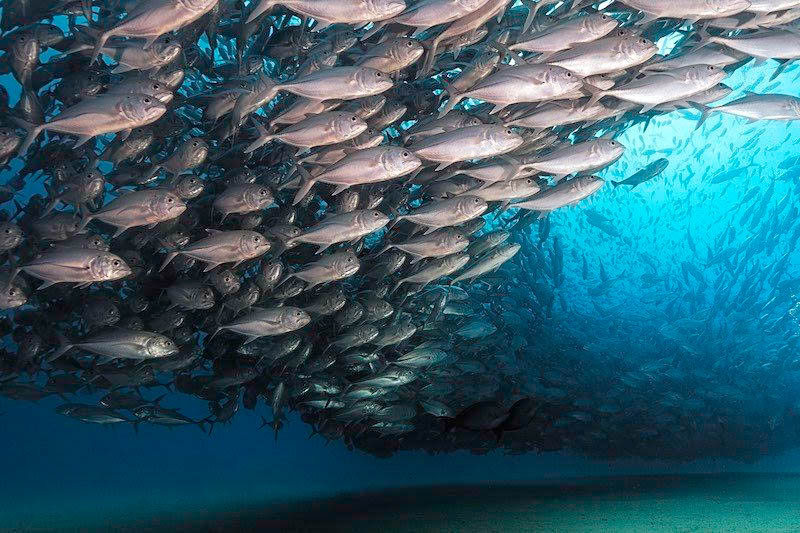
Conservation-First Philosophy
Shark Angels positions the expedition as education-led rather than purely recreational. According to the organisation, the focus is on understanding apex predators within their ecological context and reinforcing the importance of marine protection.
Conservation messaging and responsible wildlife interaction protocols will form part of the onboard programming, reflecting a wider shift in dive travel toward purpose-driven experiences.
Limited Capacity
The expedition will accommodate just 12 guests, with six spaces currently available at the time of announcement. Departures will be from La Paz, Baja California Sur, with offshore routes determined by seasonal wildlife presence.
For divers and ocean advocates seeking unscripted pelagic encounters in the Sea of Cortez, this expedition represents a limited-capacity opportunity shaped by conservation priorities rather than rigid itineraries.
Learn more at: https://www.seasickproductions.com/baja-53026
Comments