


From silky sharks beneath a Cuban sunset to extraordinary biofluorescent catsharks in Scottish waters, the winners of the Shark Photographer of the Year 2026 competition have been announced by the Shark Trust, offering a remarkable glimpse into the diversity of some of the ocean’s most fascinating inhabitants.
Underwater photographer Ollie Clarke has been crowned Shark Photographer of the Year 2026 following an international competition that attracted 394 images taken across 39 countries, representing 57 different species.
The results were revealed at the Shark Trust’s For the Love of Sharks event at the Royal Geographical Society in London.
The eight winning photographs were captured across four continents, highlighting the extraordinary variety of marine environments inhabited by sharks and the talents of the underwater photographers who document them.
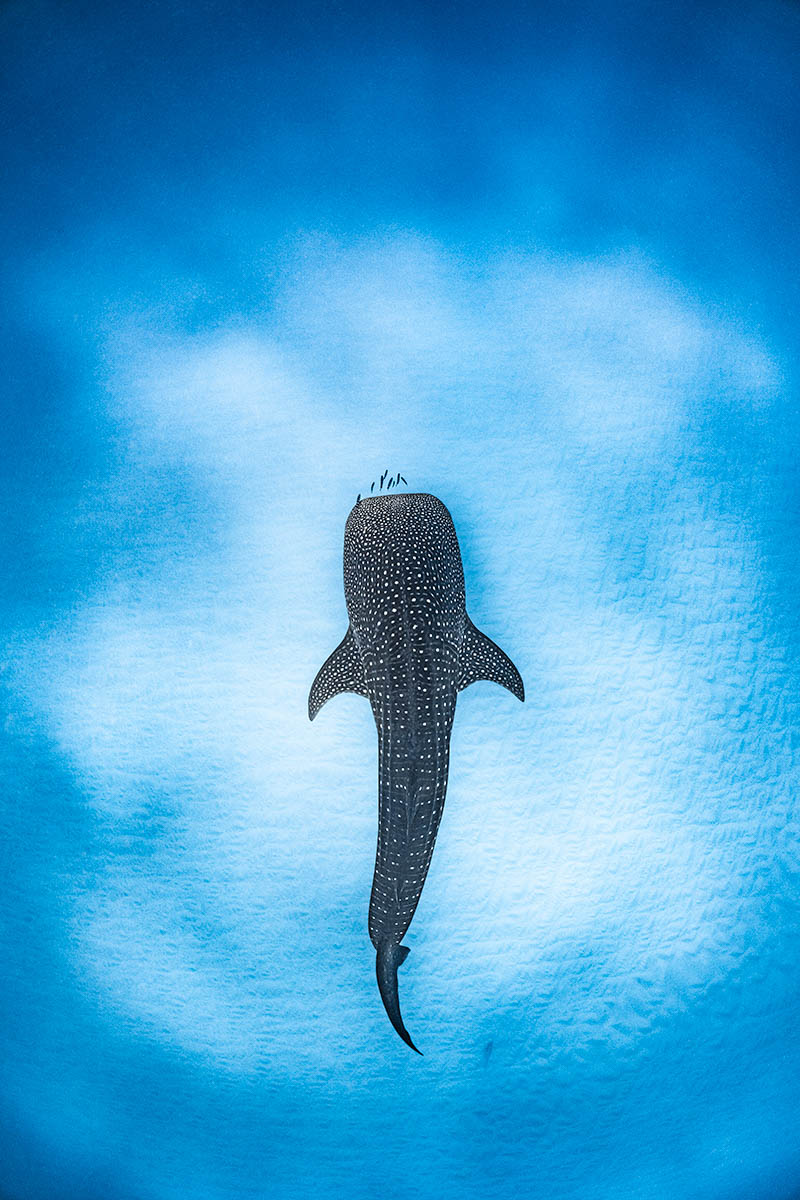
Whale shark, Ningaloo Reef, Australia
SPY26 / Ollie Clarke
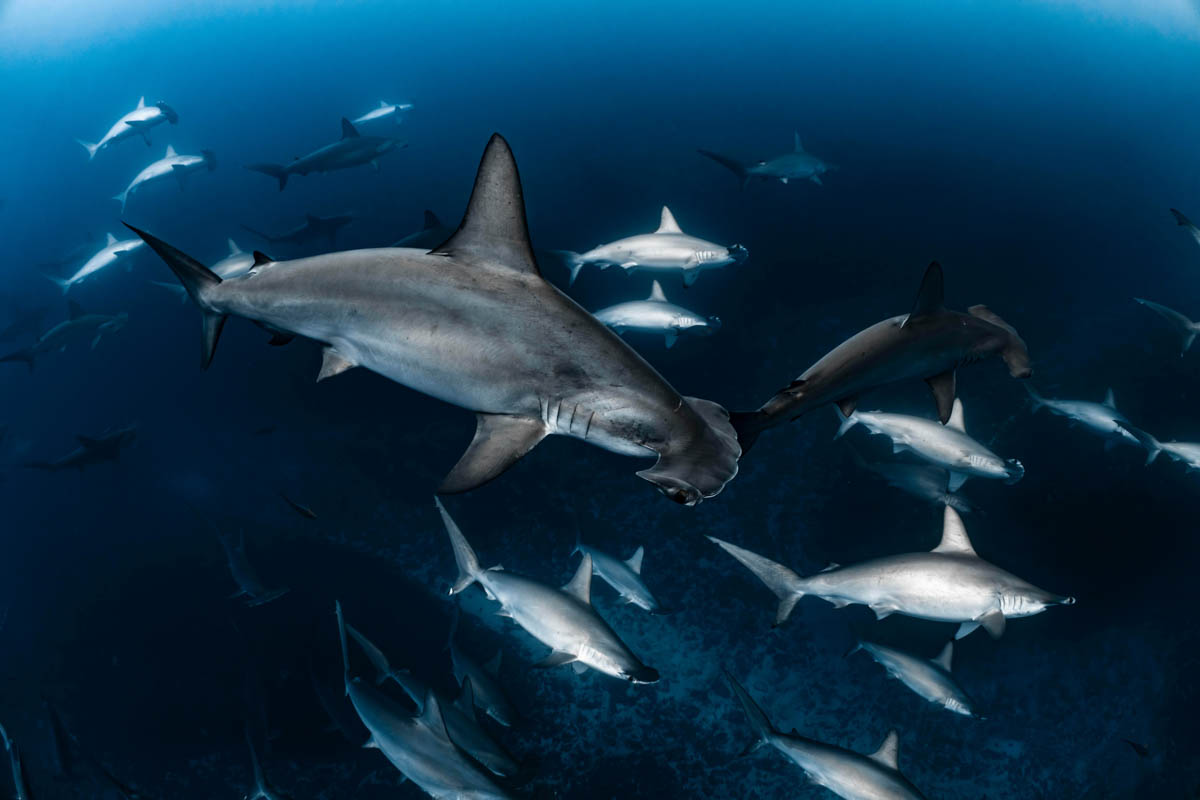
Scalloped hammerheads, Yonaguni, Japan
SPY26 / Ollie Clarke
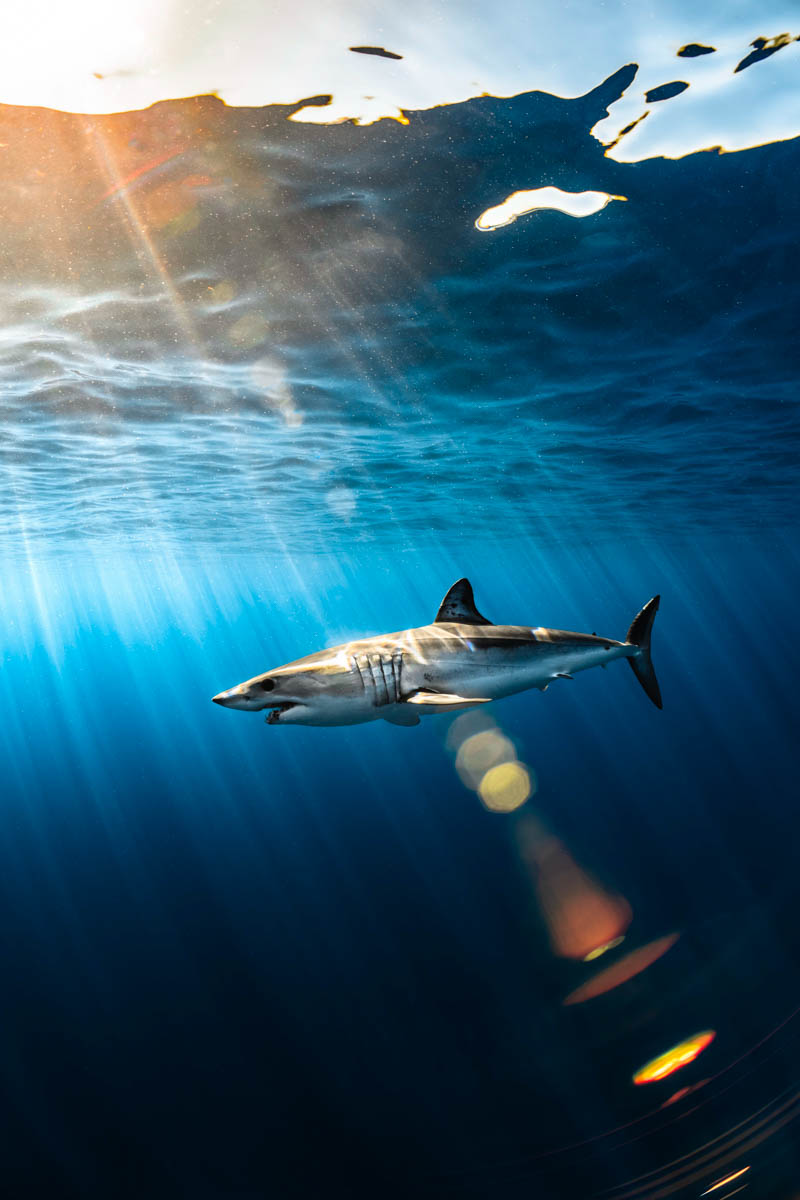
Shortfin mako, Cabo San Lucas, Mexico
SPY26 / Ollie Clarke
Ollie Clarke Named Shark Photographer of the Year 2026
Clarke secured the overall title with a three-image portfolio featuring scalloped hammerhead sharks at Yonaguni in Japan, a shortfin mako shark off Cabo San Lucas in Mexico and a whale shark at Ningaloo Reef in Western Australia.
Unlike the individual category awards, the overall competition winner was determined by the combined scores of three photographs submitted as a portfolio.
Clarke’s prize is a shark diving trip to South Africa, provided by competition sponsors Diverse Travel and Agulhas House & Diving.
“I am thrilled to have won Shark Photographer of the Year 2026! I’ve been obsessed with sharks and followed them all over the world for many years now, so this really means a lot to me. Supporting shark conservation for me is so important as these animals are some of the most endangered and heavily fished species on the planet,” said Clarke.
Shark Photographer of the Year 2026 Category Winners
Five individual categories recognised exceptional photographs reflecting different aspects of the Shark Trust’s international conservation work.
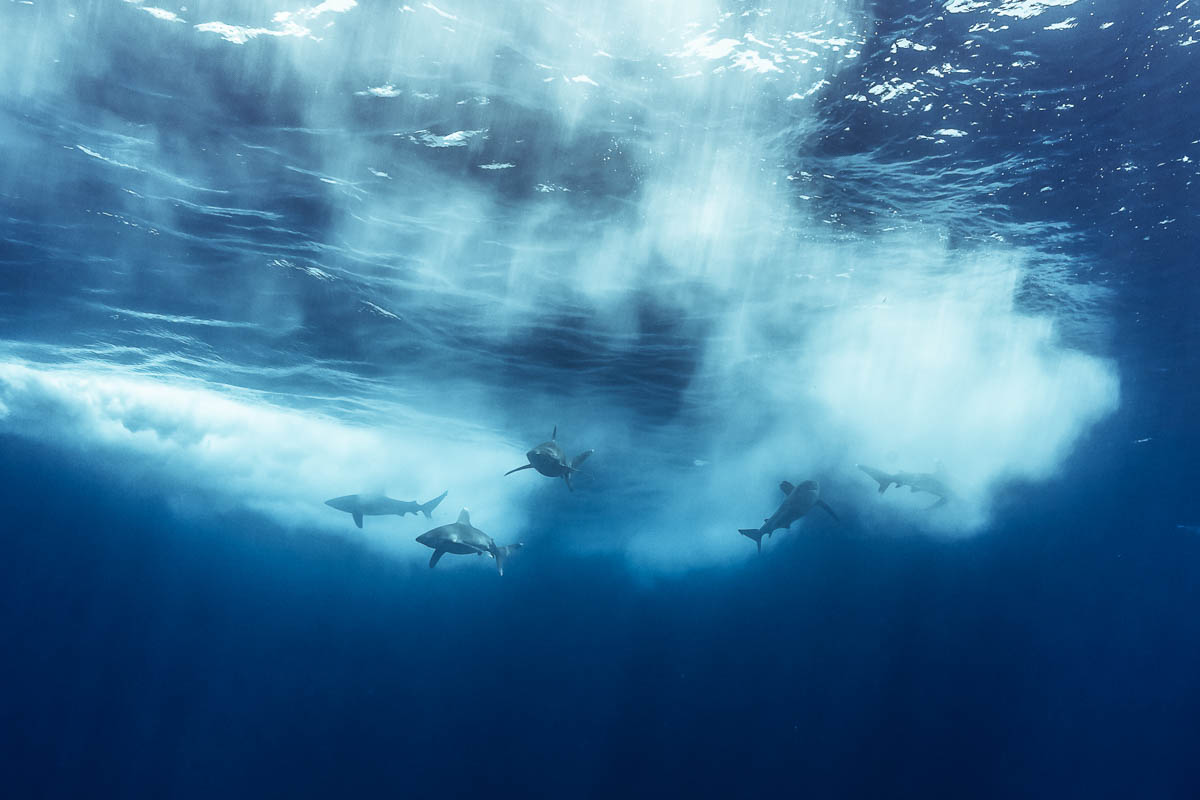
Oceanic whitetip sharks, Cat Island, The Bahamas
SPY26 / Pauline Vaz Branco
Overseas: Pauline Vaz Branco
Photographed at Cat Island in the Bahamas, Pauline Vaz Branco’s image of oceanic whitetip sharks following a dive boat achieved the highest score of any individual photograph entered in this year’s competition.
The Bahamas was also the most frequently represented destination among competition entries, reflecting its international reputation for shark and ray encounters.
Vaz Branco received a Sirius dive computer sponsored by Mares.
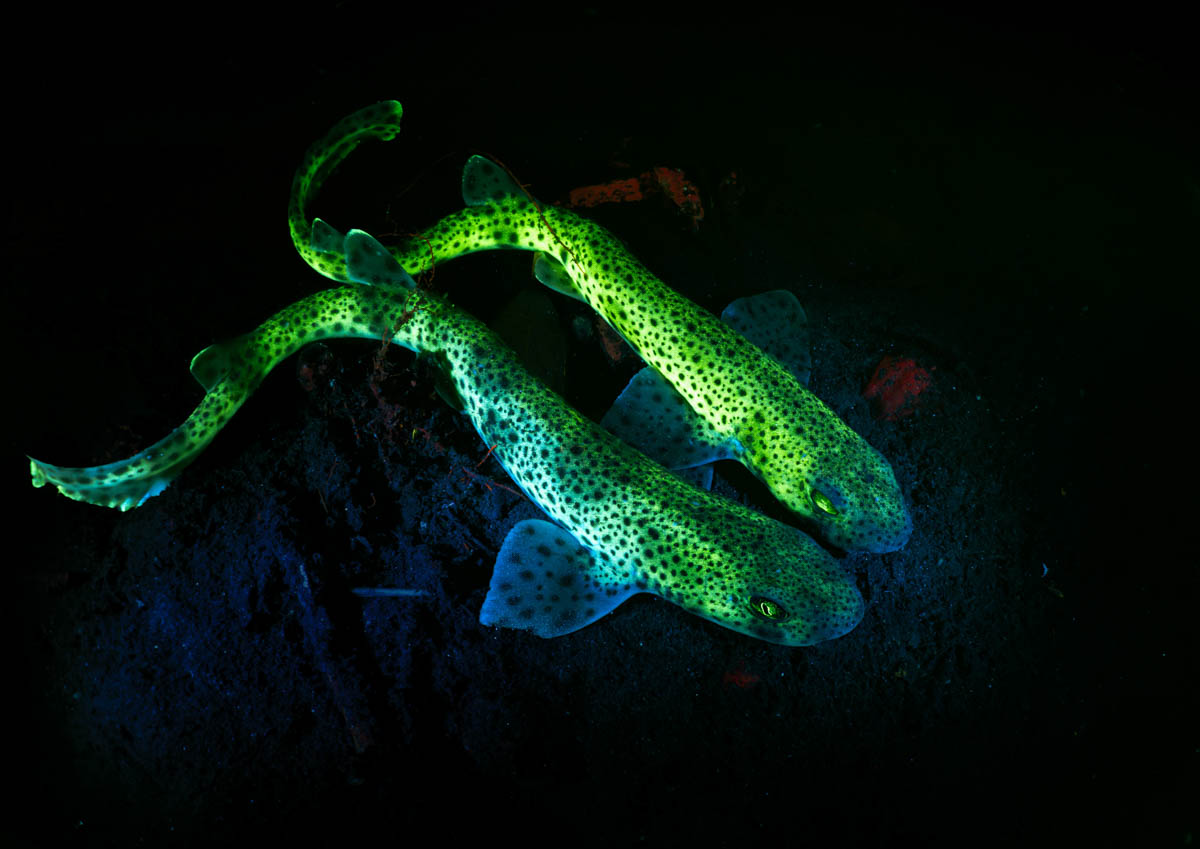
Smallspotted catsharks, Loch Fyne, Scotland
SPY26 / James Lynott
British & Irish: James Lynott
An extraordinary image of two smallspotted catsharks displaying biofluorescence earned James Lynott the British & Irish category award.
Captured during a night dive in Loch Fyne, Scotland, using specialist photographic equipment, the image reveals a rarely seen aspect of a species familiar to many British divers.
Unlike bioluminescence, in which an organism produces its own light, biofluorescence occurs when light is absorbed and re-emitted at a different wavelength.
The photograph demonstrates that exceptional shark encounters and underwater photography are not restricted to tropical diving destinations.
Lynott received a diving regulator set sponsored by Apeks.
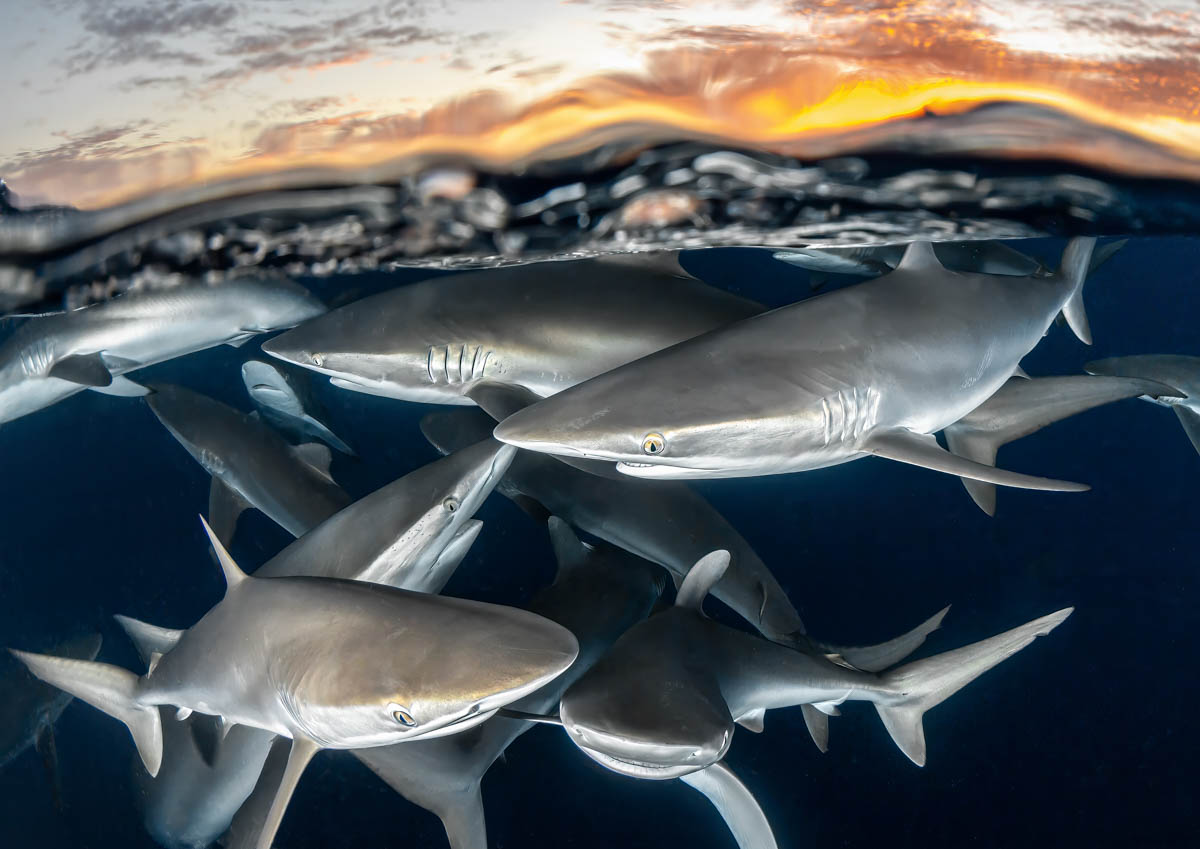
Silky sharks, Jardines de la Reina, Cuba
SPY26 / Adam Martin
Oceanic Sharks: Adam Martin
Adam Martin’s striking split-level photograph captures a group of silky sharks beneath a sunset in Jardines de la Reina, Cuba, bringing together the underwater environment and the world above the surface.
The category reflects the Shark Trust’s Oceanics Programme, which focuses on the conservation of oceanic sharks and rays facing significant pressures from overfishing.
Martin received a dive bag sponsored by Aqualung.
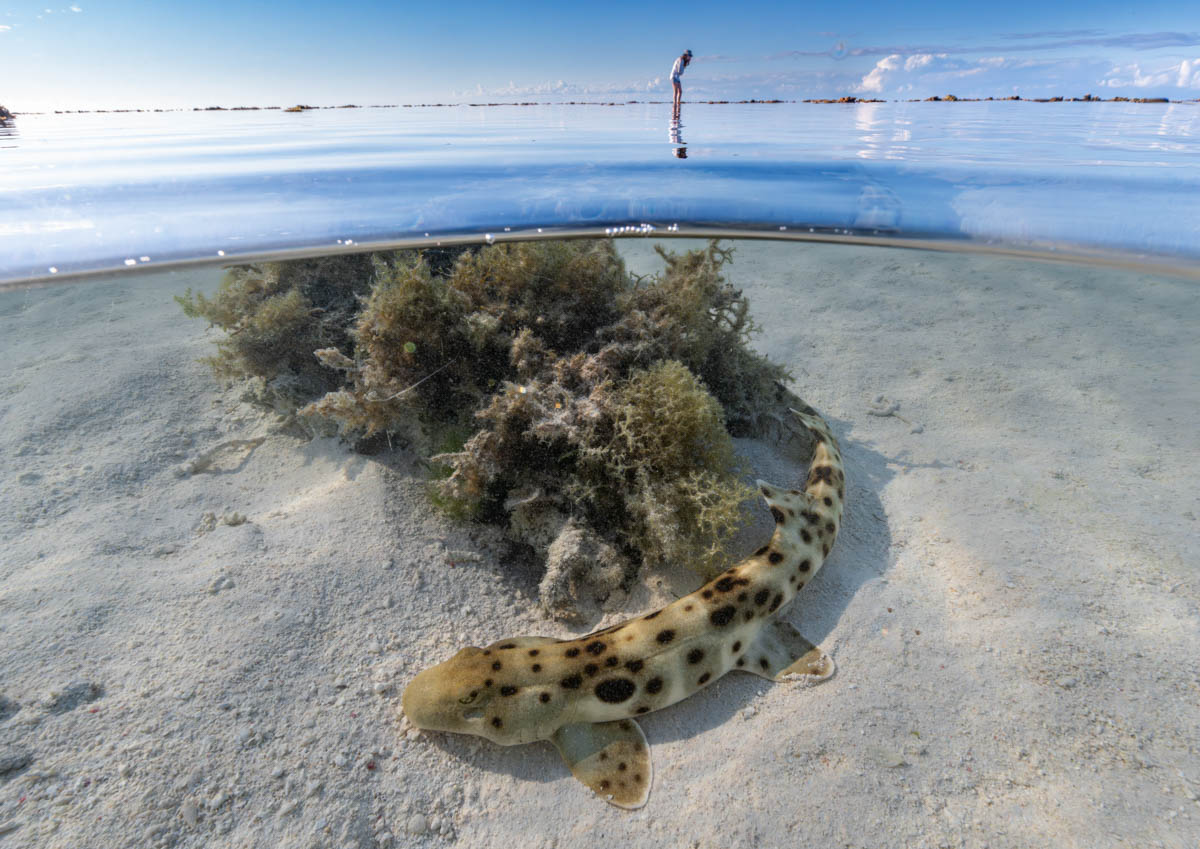
Epaulette shark, Heron Island, Australia
SPY26 / Balazs Fodor
Living with Sharks: Balázs Fodor
An imaginative split-level photograph juxtaposing a person walking along the shoreline with an epaulette shark in the shallows at Heron Island, Australia, earned Balázs Fodor the Living with Sharks category award.
Epaulette sharks are particularly remarkable for their ability to move across the seabed using their paired fins.
The photograph offers a compelling perspective on the relationship between humans and sharks, challenging perceptions of these animals and highlighting how closely their environments can overlap with our own.
The category reflects the Shark Trust’s work to better understand human-shark interactions and identify emerging areas of conflict.
Fodor received an Apollo underwater photography strobe sponsored by Marelux.
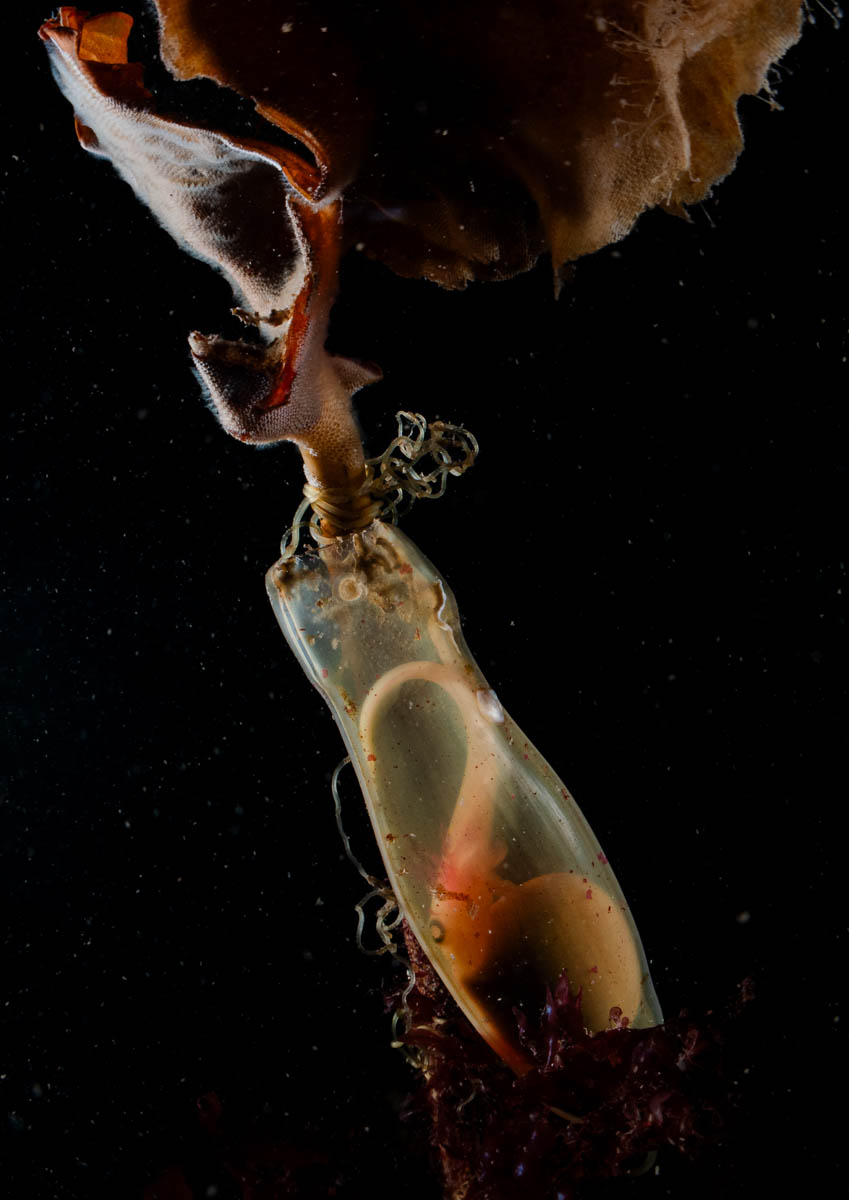
Smallspotted catshark eggcase, Rathlin Island, Northern Ireland
SPY26 / Kirsty Andrews
Mermaid’s Purse: Kirsty Andrews
Captured during a drift dive off Rathlin Island in Northern Ireland, Kirsty Andrews’ winning photograph provides an intimate look at a smallspotted catshark developing inside its eggcase.
The image highlights the Shark Trust’s Great Eggcase Hunt, a citizen science initiative that has recorded more than 630,000 eggcases since 2003.
Fewer than one per cent of those records have come from underwater discoveries, highlighting an opportunity for scuba divers to contribute valuable observations to the project.
Andrews received a prize bundle sponsored by Mermaid Gin.
Divers and coastal explorers can find out more about the initiative through the Great Eggcase Hunt.
Underwater Photography as a Conservation Tool
The competition was judged by underwater photography specialists Simon Rogerson, Charles Hood and Nick Robertson-Brown.
“I was truly taken aback by the quality of the images; scoring them was a privilege. Photographers are continually upping their game by using new techniques to make the most of every hard-won opportunity,” said Rogerson.
“Photography plays a vital role in helping the public come to understand sharks and their role in the ecosystem; this competition gave us new insights into the lives of these amazing creatures.”
Beyond recognising photographic achievement, the competition provides an opportunity to connect audiences with marine wildlife they may never encounter personally.
This year’s submissions featured sharks from destinations around the world, with the Bahamas, United Kingdom, Australia and Maldives among the most frequently represented countries.
Blue sharks were the most photographed species, with tiger sharks and whale sharks completing the three most frequently photographed species.
With more than 1,200 species of sharks, rays and their relatives inhabiting the world’s oceans, the 57 species represented in this year’s competition offer a glimpse into a much wider and often overlooked marine world.
For the diving community, the competition also illustrates the important role that underwater photographers can play in documenting marine biodiversity, encouraging public engagement and supporting conservation initiatives.
Images of familiar species behaving in unexpected ways can be just as valuable in generating interest as photographs of the ocean’s largest and most iconic inhabitants.
See More Award-Winning Shark Photography
Beyond the overall and individual category winners, this year’s competition recognised numerous other outstanding photographs, including images of basking sharks in Scotland, crested horn sharks in Sydney, whale sharks in Tanzania, pink whiprays in the Maldives and puffadder shysharks in South Africa.
A collection of 34 recognised photographs, including winning images, runners-up and commended entries, is being showcased by the Shark Trust.
The competition was supported by Diverse Travel, Agulhas House & Diving, Mares, Apeks, Marelux, Aqualung and Mermaid Gin.
Founded in 1997, the Shark Trust works internationally with scientists, policymakers, conservation professionals, businesses and the wider public to safeguard the future of sharks, skates and rays.
The complete collection of recognised photographs can be viewed on the official Shark Photographer of the Year 2026 results page.
For more information about the charity and its international conservation programmes, visit The Shark Trust.
