


Two men who disappeared during a small-boat journey along Labrador’s remote northern coastline have been reunited with their families after surviving a weekend in difficult conditions and attracting rescuers with a fire lit on a hillside.
Julius Lampe and Ephriam Merkuratsuk were reported missing on Friday, November 6, after departing the community of Nain aboard an 18-foot white and blue fibreglass boat bound for Natuashish.
The pair had left Nain at approximately 10:30 a.m. but failed to arrive at their destination. By 5:30 p.m., their disappearance had been reported to the Royal Canadian Mounted Police (RCMP), triggering a search involving local volunteers, police and maritime rescue services.
Both men were eventually located alive on Sunday, November 8, bringing a successful conclusion to a search that had caused considerable concern in the isolated coastal communities.
An Unexpected Night in the Labrador Wilderness
New details have since emerged about how the two men managed to survive after their journey went wrong.
According to family accounts reported by CBC News, the boaters began running low on fuel during their voyage and decided to seek shelter before their remaining fuel was exhausted.
They found an abandoned cabin along the coast, providing some protection from the elements, although the structure reportedly had no doors.
Facing cold conditions, the two men spent the night close together to conserve body heat.
Lampe’s son, Michael Pijogge, explained that his father was familiar with the land and knew how to survive in the remote coastal environment.
Their experience and decision to find shelter appear to have played an important role in keeping them safe until rescuers could reach them.
A Fire on the Hillside Leads to Rescue
The breakthrough came when Lampe reportedly lit a fire on top of a hill in an attempt to attract attention.
According to his son’s account, rescue crews spotted the fire, allowing the search operation to locate the stranded men.
The RCMP subsequently confirmed that both boaters had been found safe, issuing an official update at 3:15 p.m. on Sunday, November 8.
Police said the men were being airlifted to Nain for medical assessments following the ordeal.
A helicopter eventually returned the pair to the community, where family members and residents welcomed them home.
The men were reportedly cold and exhausted but otherwise safe.
Community Search Teams Played a Critical Role
The search brought together multiple agencies and volunteers working across a vast and challenging coastal environment.
Personnel from the Nain and Natuashish RCMP detachments coordinated with local Ground Search and Rescue volunteers, the Canadian Coast Guard and the Joint Rescue Coordination Centre.
Search operations involved resources operating on land, in the air and on the water.
Following the successful outcome, the RCMP publicly thanked the volunteer rescue teams, participating agencies, members of the public and media organisations that helped during the operation.
For communities along the northern Labrador coast, where small boats remain an important means of travel, local knowledge and volunteer rescue capabilities can be particularly valuable when emergencies develop far from conventional infrastructure.
The Challenges of Travelling Along Labrador’s Remote Coast
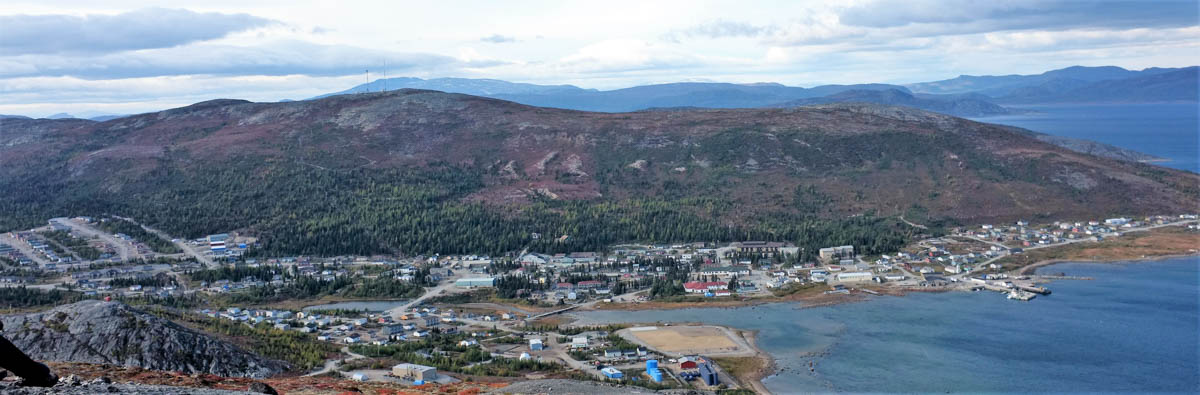
Nain, the northernmost permanent community in Newfoundland and Labrador, lies within the Inuit self-governing region of Nunatsiavut.
The surrounding coastline is characterised by islands, sheltered bays, rocky shorelines and long stretches of sparsely populated wilderness.
Travel between coastal communities can involve significant distances through waters where rapidly changing weather, limited communications and the absence of nearby assistance can complicate even routine journeys.
The incident highlights the importance of carrying adequate fuel reserves, reliable emergency communications equipment, suitable clothing and survival supplies when operating small vessels in isolated northern waters.
It also demonstrates how practical survival knowledge and the ability to signal for assistance can make a significant difference when a journey does not go according to plan.
For Lampe and Merkuratsuk, their ordeal ended with a safe return to their families, and a reminder of the dedication of the volunteer and professional rescue teams serving Canada’s remote coastal communities.

