

The last dive of a holiday often arrives long before the holiday itself is over. You surface, rinse your equipment, hand back your tank and realise there is still time to enjoy the destination, even if your underwater adventures have finished.
For divers waiting to fly home, that final day can feel like an awkward gap in the itinerary. Another dive may be out of the question, but spending the remaining hours sitting around a hotel is hardly an appealing alternative.
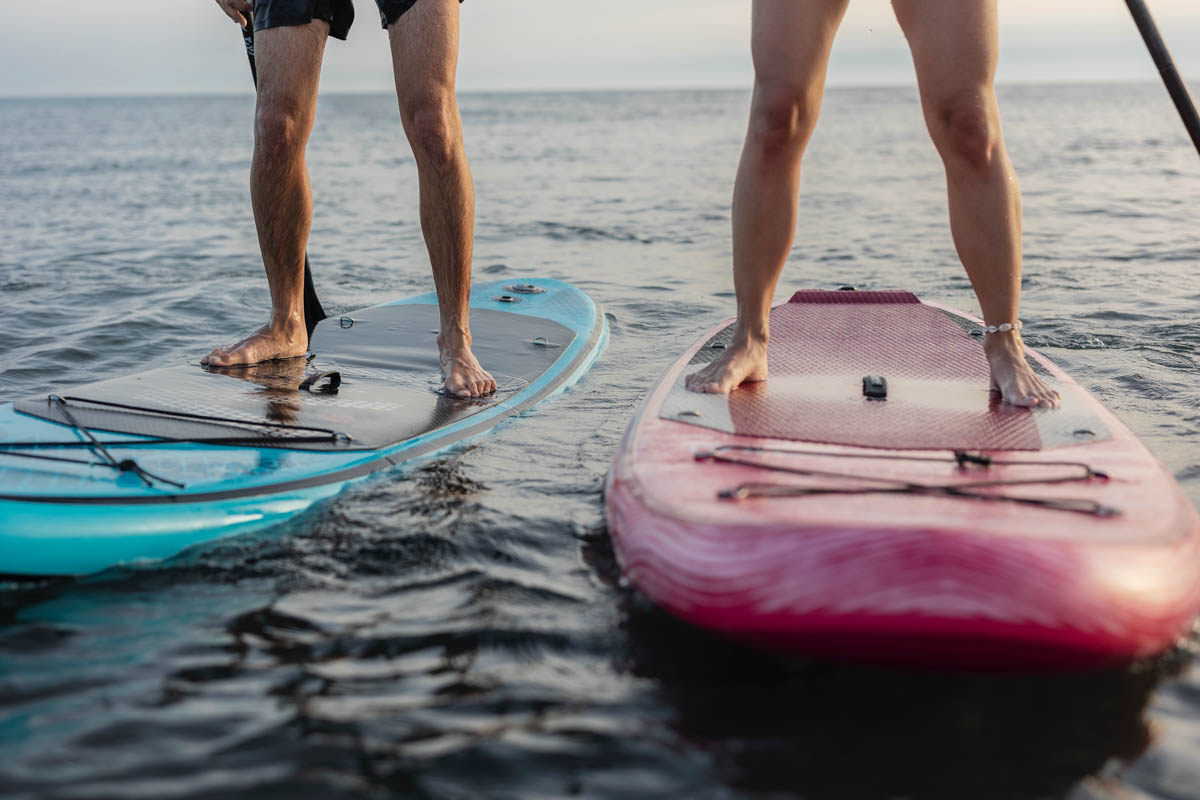
Stand-up paddleboarding (SUP) offers another way to experience the coastline, provided conditions are suitable and the activity is kept gentle. From sheltered lagoons to mangrove waterways, it can provide a different perspective on the marine environments divers have spent their holiday exploring.
Understanding the No-Fly Interval After Diving
The reason divers need to wait before flying is straightforward. During a dive, the body absorbs additional inert gas, primarily nitrogen. Following ascent, that gas is gradually eliminated.
Flying too soon introduces a further reduction in atmospheric pressure, potentially increasing the risk of decompression sickness.
According to Divers Alert Network (DAN), the recommended minimum pre-flight surface intervals for recreational divers without symptoms are:
- At least 12 hours following a single no-decompression dive.
- At least 18 hours following multiple dives in one day or multiple days of diving.
- A substantially longer interval following dives requiring decompression stops.
These are minimum recommendations rather than guarantees of safety. Longer intervals can further reduce decompression risk, and divers should follow any more conservative guidance provided by their dive computers, training organisations or diving medical professionals.
Many divers choose to allow a full 24 hours between their final recreational dive and departure.
Why Paddleboarding Can Be an Appealing Final-Day Activity
A quiet paddle along a sheltered coastline offers a change of pace after several days of diving.
Instead of looking up towards the surface, divers can look down through the water, observing marine life, shallow habitats and coastal features from a different perspective.
However, paddleboarding is not automatically a low-exertion activity.
Wind, currents, balancing on the board and paddling against changing conditions can turn an apparently relaxed outing into a physically demanding session.
DAN’s guidance on exercise and decompression risk recommends caution with vigorous exercise around diving, noting that exertion can influence decompression stress.
For that reason, paddleboarding is better considered a gentle recreational option later in the surface interval, rather than an activity to undertake immediately after surfacing.
Divers should avoid strenuous paddling, particularly following demanding dive profiles, and allow adequate recovery time.
Importantly, paddleboarding does not shorten the recommended no-fly interval.
Exploring Shallow Marine Environments From Above
One of paddleboarding’s attractions is the opportunity to explore coastal environments that might otherwise receive little attention during a diving holiday.
Mangrove Estuaries
Where access is permitted, sheltered mangrove channels can provide fascinating opportunities to observe coastal ecosystems.
Mangrove habitats serve as important nursery areas for fish and other marine species. Exploring these waterways quietly can offer an appreciation of their ecological importance without entering the water.
Paddlers should respect protected areas, wildlife and local access restrictions.
Calm Lagoons and Bays
Clear, shallow lagoons can be particularly rewarding for paddleboarders.
Depending on the destination, it may be possible to observe rays, small reef fish and other marine life beneath the board.
The slower pace also provides an opportunity to appreciate the coastline without the equipment and preparation associated with another dive.
Secluded Cays and Beaches
Quiet sandbars and sheltered beaches can make appealing stopping points during a coastal paddle.
However, visitors should check local regulations before landing, avoid disturbing nesting wildlife and take care not to damage sensitive shallow-water habitats.
Travelling With an Inflatable Paddleboard
Divers already face considerable luggage challenges, particularly when travelling with regulators, fins, wetsuits, cameras and other equipment.
Traditional rigid paddleboards are rarely practical for international travel, but inflatable models provide a more portable alternative.
Modern inflatable stand-up paddleboards generally use drop-stitch construction, allowing them to maintain their shape and rigidity when inflated to the manufacturer’s recommended pressure.
For travellers considering their options, there is a wide selection of inflatable stand-up paddleboards designed for recreational use and easier transportation.
Nevertheless, divers should consider airline baggage allowances, packed dimensions and total equipment weight before adding another item to their luggage.
Inflating a board manually can also involve considerable physical effort. An electric pump may be a more comfortable option, particularly when avoiding strenuous activity after diving.
Practical Safety Tips for Your Final-Day Paddle
A little preparation can help make a paddleboarding session more enjoyable.
Check the weather and wind. Choose sheltered locations with predictable conditions. Offshore winds can quickly carry paddleboarders away from the coastline and make returning difficult.
Keep the activity gentle. Avoid long distances, racing, strong currents or situations requiring sustained physical exertion.
Stay appropriately hydrated. Maintain normal hydration throughout the day, particularly in warm climates, without assuming that drinking extra water eliminates decompression risk.
Use suitable safety equipment. Wear an appropriate personal flotation device, follow local rules on leashes and carry a means of calling for assistance where practical.
Protect yourself from the sun. A high-UPF rashguard, suitable headwear and sunscreen can help reduce exposure during time on the water.
Know when to stay ashore. Fatigue, unsuitable sea conditions or any concerning symptoms after diving are reasons to abandon the activity.
Divers experiencing unexplained joint pain, numbness, tingling, unusual fatigue, skin changes or other symptoms potentially associated with decompression illness should not paddleboard or fly. They should seek prompt medical assessment and contact DAN or an appropriate diving medical service.
A Different Way to Finish a Diving Holiday
The final day of a diving holiday does not have to mean the end of enjoying the ocean.
Whether exploring a quiet lagoon, observing mangrove habitats or simply taking in the coastline from a new perspective, paddleboarding can provide an enjoyable alternative to another underwater excursion.
The important distinction is that a relaxed coastal activity should remain exactly that: relaxed.
With appropriate planning, suitable conditions and respect for post-dive safety guidance, a gentle paddle can be a memorable way to bring a diving holiday to a close.
Sponsored Content: This article was supplied as a paid guest contribution and has been reviewed and edited by The Scuba News. Inclusion of a commercial link does not constitute an independent product endorsement.