


Two years after a former smuggling vessel was deliberately sunk off Ireland’s Atlantic coast, the wreck is beginning to demonstrate exactly what its backers hoped would happen.
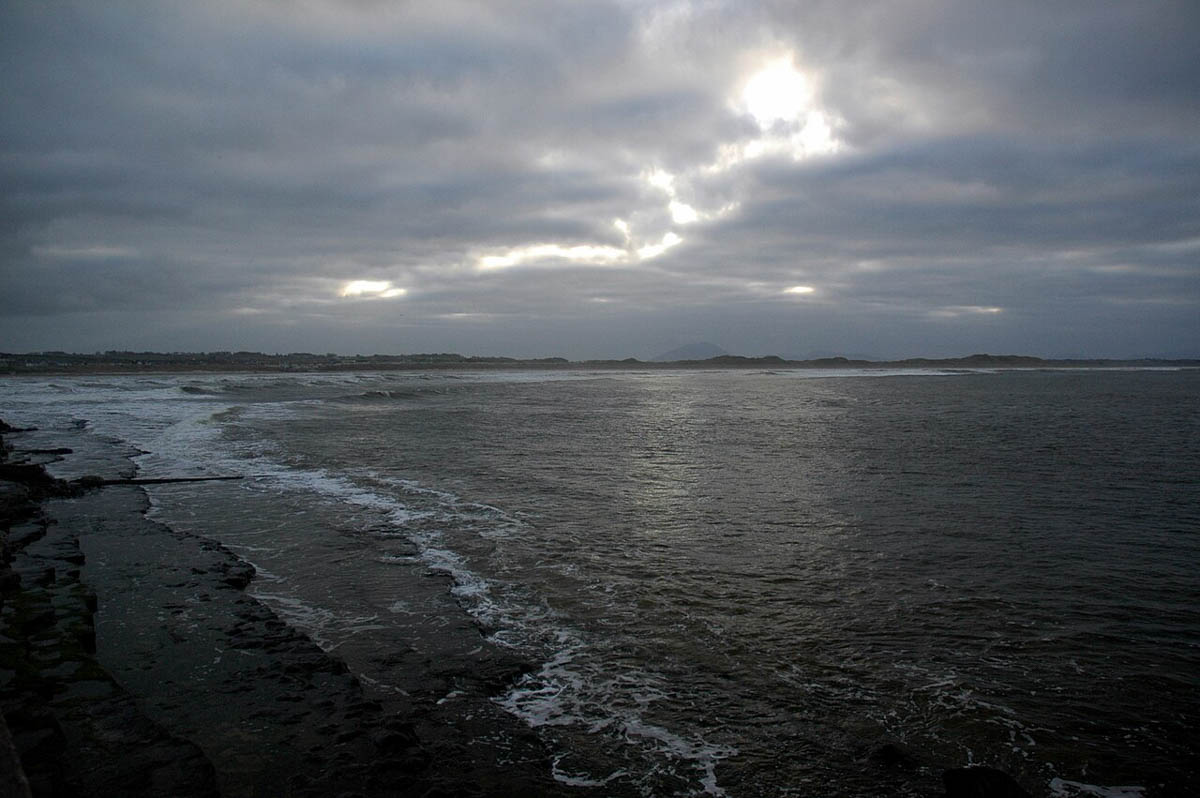
The 60-metre MV Shingle, resting at around 30 metres in Killala Bay, is being colonised by marine life, with divers recording barnacles, sponges, worms, sea squirts and increasing numbers of fish around the artificial reef.
Marine ecologist Dr Jose Maria Farines Franco of Atlantic Technological University told RTÉ News that the amount of growth visible on the wreck is encouraging for the relatively short period it has been underwater.
The developing ecosystem represents the latest chapter in the unusual history of a ship that once carried millions of illegally smuggled cigarettes.
From Smuggling Vessel to Dive Site
The MV Shingle first attracted national attention in 2014 when Irish authorities intercepted the Moldovan-registered cargo vessel while it was travelling towards Drogheda.
Authorities discovered approximately 32 million cigarettes and 4.5 tonnes of tobacco aboard the ship. The vessel was subsequently forfeited to the Irish State following court proceedings.
Disposing of it proved difficult.
The ageing vessel remained in Irish ports for years, accumulating substantial berthing, maintenance and remediation costs before an alternative future emerged.
Local organisation Killala Bay Ships 2 Reef proposed converting the vessel into an artificial reef that could provide additional marine habitat while simultaneously creating a new attraction for Ireland’s recreational diving community.
The project ultimately involved Killala Bay Ships 2 Reef, the Revenue Commissioners, Mayo County Council and Sligo County Council.
Ireland’s Maritime Area Regulatory Authority approved the placement of the vessel on the seabed in May 2024, subject to conditions.
Following extensive preparation and the removal of pollutants and other potentially hazardous materials, the ship was deliberately sunk in Killala Bay on 18 September 2024.
Nature Takes Over
The transformation since then has been gradual but increasingly visible.
Underwater observations now show some areas covered by early colonising organisms including barnacles and worms, while other sections support more developed communities including sea squirts.
That growth creates additional food and habitat, helping attract fish to the structure.
Dr Farines Franco cautioned that deliberately sinking vessels should not automatically become the preferred method of creating marine habitat and stressed that an artificial structure will not become identical to a natural reef.
Nevertheless, he said structures such as the Shingle can increase biodiversity by providing surfaces on which marine organisms can settle and grow.
For divers, that process means the site should continue changing over time.
One Wreck Becomes Three
Nature has already made one dramatic alteration of its own.
Storm Éowyn struck Ireland in January 2025 and generated exceptionally severe conditions along the Atlantic coast. Subsequent underwater surveys found that the MV Shingle had broken into three separate sections.
Rather than ending its usefulness as a dive site, the damage effectively created three areas for divers to explore.
The sections have been locally named Saoirse, Thomas and Mikey, while dive-site buoys have been installed to identify the locations.
The Commissioners of Irish Lights also established a virtual aid to navigation for the Shingle wreck following the storm.
The wreck’s changing condition nevertheless reinforces the need for visiting divers to treat it as a dynamic marine environment rather than assuming that its original layout remains unchanged.
A New Attraction for Ireland’s West Coast
Creating a recreational diving attraction was always one of the project’s objectives alongside improving marine biodiversity.
There are signs that the economic element is developing too.
Anna Connor, head of the Ballina Municipal District with Mayo County Council, told RTÉ that the attraction is helping generate year-round tourism rather than concentrating visits solely in the traditional June-to-August season.
She said the area is seeing around 12,000 visitors annually.
That figure should not be interpreted as 12,000 scuba divers visiting the wreck, but local officials see the project as part of the wider tourism offering around north Mayo and west Sligo.
For Ireland’s diving community, however, the MV Shingle represents something particularly unusual.
The country has an extraordinary collection of historic shipwrecks, but the Shingle was deliberately prepared and placed on the seabed specifically as an artificial reef and recreational diving attraction.
What began as a rusting cargo vessel with an expensive and controversial past is now undergoing an entirely different transformation.
Two years beneath the Atlantic have already brought marine growth, shoals of fish and visiting divers.
The more interesting question may be what the MV Shingle looks like after another five, ten or twenty years beneath Killala Bay.
Comments