




Two divers have died following an emergency ascent during a deep dive at one of Germany’s best-known inland technical diving sites, with police investigating what caused the incident.
The accident occurred on Sunday, 2 August, at the Tennisplätze dive site near Überlingen on the northern shore of Lake Constance (Bodensee) in the German state of Baden-Württemberg.

According to Polizeipräsidium Ravensburg, a 46-year-old woman and her 64-year-old dive partner began an emergency ascent from a depth of approximately 80 metres at around 10:30 a.m. for reasons that remain unknown.

Police said the male diver lost consciousness during the ascent, while his companion became unconscious shortly after surfacing. Despite immediate resuscitation efforts by emergency responders, both divers were pronounced dead at the scene.
Authorities have confirmed that the exact circumstances surrounding the emergency ascent remain under investigation. The Überlingen Water Police have seized the divers’ equipment for examination as investigators work to determine what led to the fatal incident.

Popular but Challenging Dive Site
The Tennisplätze dive site is one of Lake Constance’s most popular shore dives and caters to a wide range of experience levels. While beginners frequently use the gently sloping shallows close to shore, the site also provides access to significantly deeper water.
Beyond approximately 30 metres, the lakebed drops into a steep wall, with depths exceeding 120 metres. An 80-metre dive falls well within the realm of advanced technical diving, requiring specialised equipment, breathing gases, extensive decompression planning and advanced training.
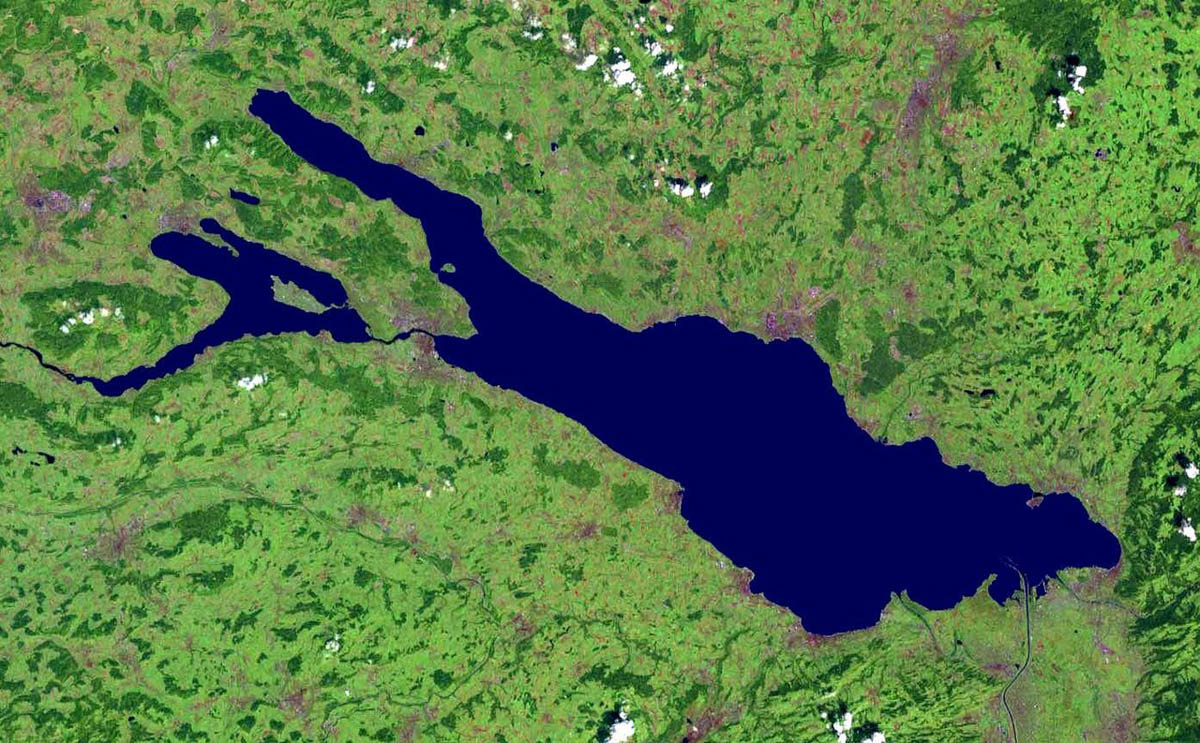
Lake Constance, which borders Germany, Switzerland and Austria, is one of Central Europe’s largest freshwater lakes and has long been a popular destination for technical divers because of its exceptional depth and underwater topography.
Investigation Continues
At this stage, investigators have not indicated whether equipment malfunction, a medical emergency or another factor contributed to the emergency ascent. Officials have also not released the identities of the divers.
As with all fatal diving incidents, investigators are expected to analyse the divers’ equipment and reconstruct the dive profile before determining the cause of the accident.
No further information has been released.
Comments