

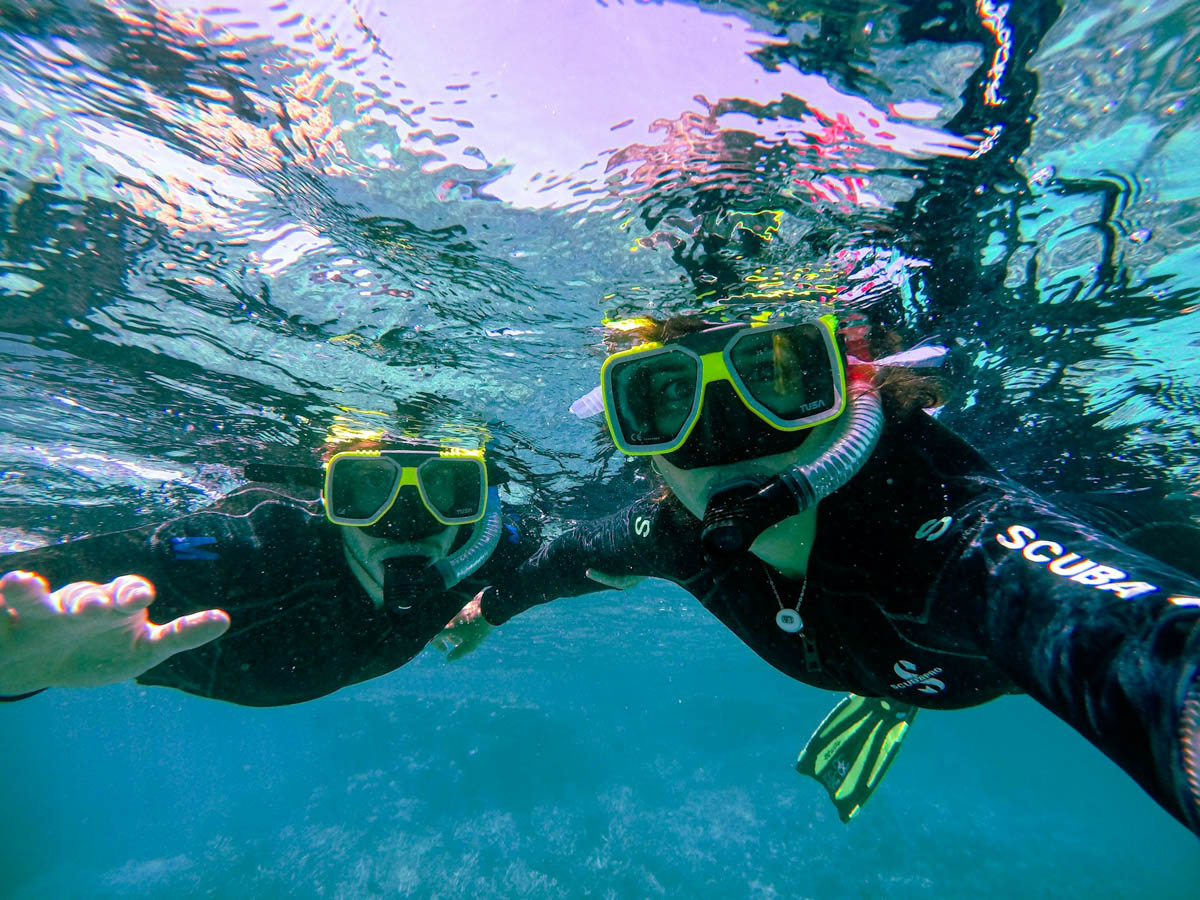
A family dive trip should leave you time to enjoy the ocean together. Calm water, shallow reefs, and easy access help young divers feel comfortable in the water, with plenty to keep non-diving family members happy, too. From shore diving in Bonaire to turtles in the Cayman Islands and coral gardens in Australia, children can explore without feeling overwhelmed. Choosing a destination that matches your child’s age and experience matters more than choosing the most famous dive spot. These eight places bring underwater discovery and family time together.
1. Bonaire
Bonaire makes family dive planning easier because so much of its diving starts right from shore. At calm, shallow sites, you can enter the water without rushing everyone onto a boat at a set time. Young divers can look for turtles, parrotfish, angelfish, and seahorses without heading into deep water or tackling demanding dives.
A child can watch the reef through a snorkel mask with appropriate supervision as a certified parent dives below, or everyone can explore a shallow site together. Between dives, paddle a kayak through the mangroves, visit the salt flats, or explore the island’s nature trails.
2. Grand Cayman
Grand Cayman combines exceptionally clear water with sheltered sites and generally mild currents, making it a welcoming choice for younger and less experienced divers. Over shallow reefs, beginners can settle into their breathing, practice hovering above the coral, and exchange hand signals without challenging conditions demanding their attention.
At Stingray City’s shallow sandbar, families can see southern stingrays close to the surface. Beaches and wildlife attractions leave plenty to enjoy between water activities. On a first family trip, those shared discoveries above and below the surface can make the vacation more memorable.
3. Koh Tao, Thailand
Koh Tao has earned its reputation as a place to learn to dive. Sheltered bays and shallow training sites give families room to take things slowly. At sites such as Ao Leuk and Shark Bay, younger divers can practice their skills in relatively calm water, with colorful reef fish and the occasional turtle to catch their eye.
Non-divers can snorkel, head up to a viewpoint, take a boat trip, or try a Thai cooking class. Shorter boat rides also mean less time at sea for children who tire easily, especially with several diving days planned.
4. Bohol and Panglao, Philippines
Bohol and nearby Panglao combine warm water, shallow coral gardens, and plenty to enjoy between dives. Younger snorkelers can float above shallow reefs close to shore, watching fish weave between the corals. Certified junior divers can explore slightly deeper sites within their training limits, spotting turtles and schools of jacks swimming in formation.
On a longer family vacation, swap fins for a day of island-hopping, dolphin watching, or a visit to the Chocolate Hills. These breaks give children something different to look forward to and help keep diving an adventure they want to return to.
5. The Maldives
A resort with a sheltered house reef can make the Maldives a great choice for families. Children not yet ready for scuba can snorkel in shallow water with appropriate supervision as certified family members take shorter boat dives. Coral gardens stretch beneath the surface, with turtles and reef fish to look for without planning advanced dives.
For younger children, a resort with a house reef, pool, and activities offers more flexibility than an ambitious liveaboard itinerary. Between dives, watch for dolphins on a cruise, try paddleboarding, or join marine-life programs, with time for parents to enjoy some diving, too.
6. The Great Barrier Reef, Australia
Australia’s Great Barrier Reef gives children a chance to see the marine environment up close and learn about it as they explore. Shallow reef areas around Green Island and the Low Isles can offer suitable conditions for younger and newer divers. Snorkelers can look down through their masks at the same reefs, seeing the underwater world from the surface.
Back on land, families based in Cairns can explore the rainforest, enjoy wildlife encounters, or see the landscape spread out below on a scenic flight. These outings offer a change of pace when children need a day between dives.
7. The Florida Keys
For families traveling within the United States, the Florida Keys combine warm water and accessible reefs with straightforward travel logistics. Around Key Largo, young divers can explore shallow coral sites and protected areas, taking their time to settle into each breath and feel more at ease above the reef.
Between dives, visit the Turtle Hospital, take a kayak out for a paddle, or spend an afternoon at the beach. Without long transfers between activities, it is easier to make room for everyone’s interests and experience levels.
8. Gozo, Malta
For European families, Gozo offers warm-season diving without a trip to the tropics. In sheltered bays, beginners can enter from shore and see the reef below through clear Mediterranean water. Older certified children can gradually explore more varied reef sites and suitable wrecks within their age, training, and experience limits.
The island’s relaxed pace leaves time to wander through historic villages, explore beaches, or follow walking trails along the coast. Alternate diving with sightseeing rather than squeezing in three dives a day, giving children time to take in everything they have seen.
To compare options for your family, explore diving destinations on Scubago and discuss suitable sites with your dive center.
Choosing the Right Program for Your Child
The destination is only part of the plan. Your child’s age, maturity, and comfort in the water should guide what they do underwater. The SSI Explorers program introduces aquatic activities from age six, with Scuba Explorer available from age eight in a pool or confined water. From age 10, children can work toward SSI Junior Open Water Diver certification, with age-specific depth and supervision requirements.
Wanting to see a turtle does not mean a child is ready to dive. Even a confident swimmer can feel overwhelmed by unfamiliar breathing equipment, water entering a mask, or having to use hand signals instead of words. Before traveling, let children practice snorkeling and floating, and introduce regulator breathing under an instructor’s supervision. During training, celebrate small improvements rather than perfect technique.
Make Multi-Day Diving Work for the Whole Family
Family dive trips work better when you leave room to slow down. Before booking, ask the dive center about child-sized equipment, instructor experience, group sizes, dive depths, and surface intervals. An SSI Training Center experienced with young divers can help you plan around a child’s pace, including days when plans need to change. Review DiveAssure dive-travel insurance and check the applicable terms for each family member.
On multi-day trips, leave time out of the water. A child who surfaces cold, tired, or overwhelmed may not want to dive tomorrow. Something warm to put on, familiar snacks, drinking water, and a quiet place to unwind can help them feel ready for another day.
Let children shape the trip, too. They can choose an animal to look for, help with simple equipment checks under supervision, or pick the afternoon activity. Having a say helps the adventure feel like their own. The goal goes beyond certification to a child who feels comfortable underwater and curious about what they might see next time.
