

Scuba Schools International (SSI) has expanded its environmental education portfolio with the launch of its Invasive Species Management Specialty, a new conservation-focused course designed to equip divers with the knowledge and practical skills to help protect vulnerable aquatic ecosystems from invasive marine and freshwater species.
The latest addition strengthens SSI’s growing range of ecology and conservation programs, reinforcing the agency’s long-standing commitment to turning recreational divers into active ocean stewards rather than passive observers.
Developed for certified divers aged 16 and over, the specialty introduces students to the ecological impacts of invasive species while teaching responsible identification, reporting and management techniques. The course also explores how invasive organisms affect biodiversity, native species and habitat health, providing divers with a deeper understanding of one of the fastest-growing environmental challenges facing aquatic ecosystems today.
Turning Divers into Citizen Conservationists
According to SSI, the program is intended to bridge the gap between environmental awareness and practical conservation action.
Rather than simply recognising invasive species, participants will learn how to:
- Understand how invasive species spread
- Identify common invasive aquatic organisms
- Assess ecological impacts on native habitats
- Participate in safe and responsible removal efforts where appropriate
- Support local conservation projects and reporting initiatives
The specialty combines classroom learning with practical application, allowing divers to contribute to conservation initiatives under appropriate local regulations and guidance.
Building on SSI’s Blue Oceans Initiative
The new specialty forms part of SSI’s wider Blue Oceans initiative, an environmental program that encourages divers to minimise their impact underwater while actively participating in conservation projects.
The agency has steadily expanded its ecology curriculum over recent years with specialties covering subjects including shark ecology, marine ecology, coral identification, sea turtle ecology, manta and ray ecology, and marine mammal ecology.
The addition of Invasive Species Management complements these existing courses by focusing on one of the most significant drivers of biodiversity loss globally.
A Growing Focus Across the Diving Industry
Environmental education has become an increasingly important part of diver training as agencies seek to connect recreational diving with marine conservation.
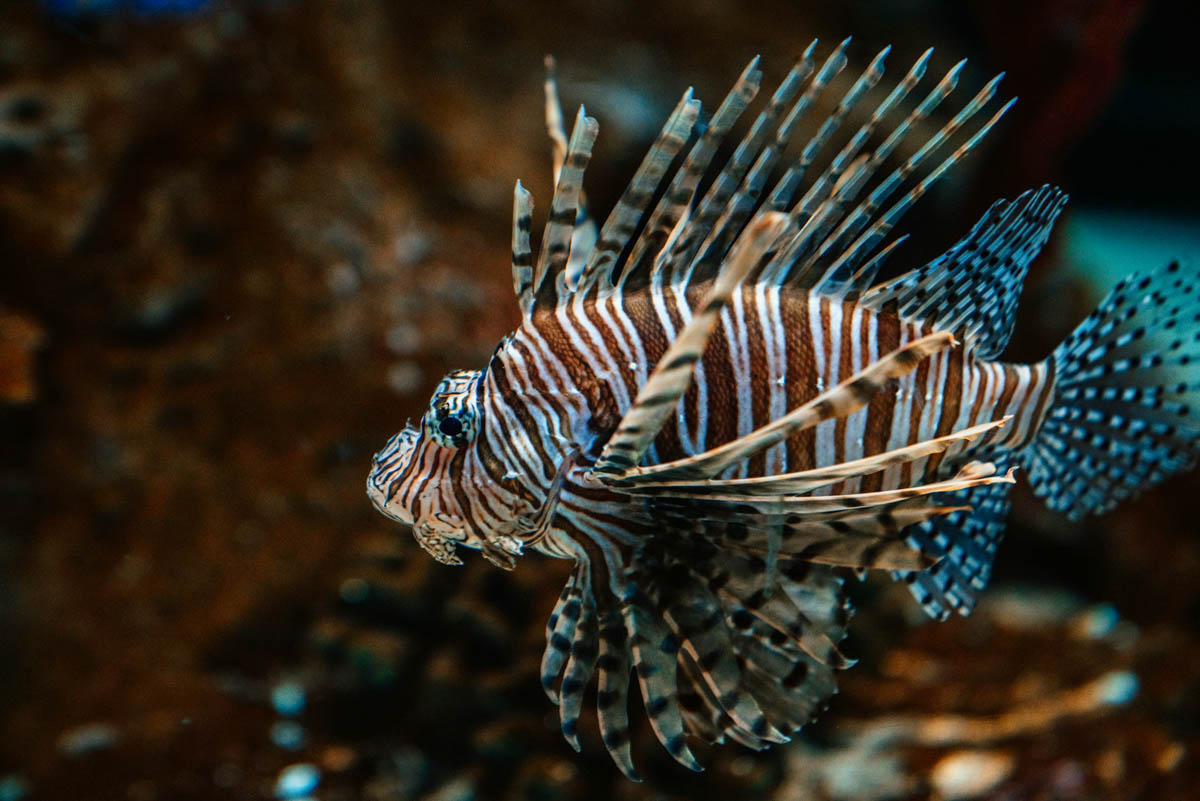
Invasive species—including lionfish in the Caribbean, zebra mussels in freshwater systems and numerous non-native marine organisms introduced through shipping and climate-driven range expansion—can dramatically alter ecosystems, outcompete native species and damage reefs and aquatic habitats.
By providing formal training in identification and best-practice management, SSI hopes divers can become valuable contributors to local conservation efforts while avoiding well-intentioned but potentially harmful interventions. Conservation organisations worldwide continue to emphasise that invasive species management should always be undertaken using science-based methods and in accordance with local regulations.
Continuing SSI’s Conservation Expansion
The course builds upon SSI’s continued investment in conservation education, following previous additions such as the Coral Reef Restoration Specialty and the introduction of its Ocean Guardian recognition program.
With the launch of the Invasive Species Management Specialty, SSI continues to position conservation as a core element of diver education rather than an optional extra, reflecting a broader shift across the diving industry toward training that combines recreational skills with environmental responsibility.