


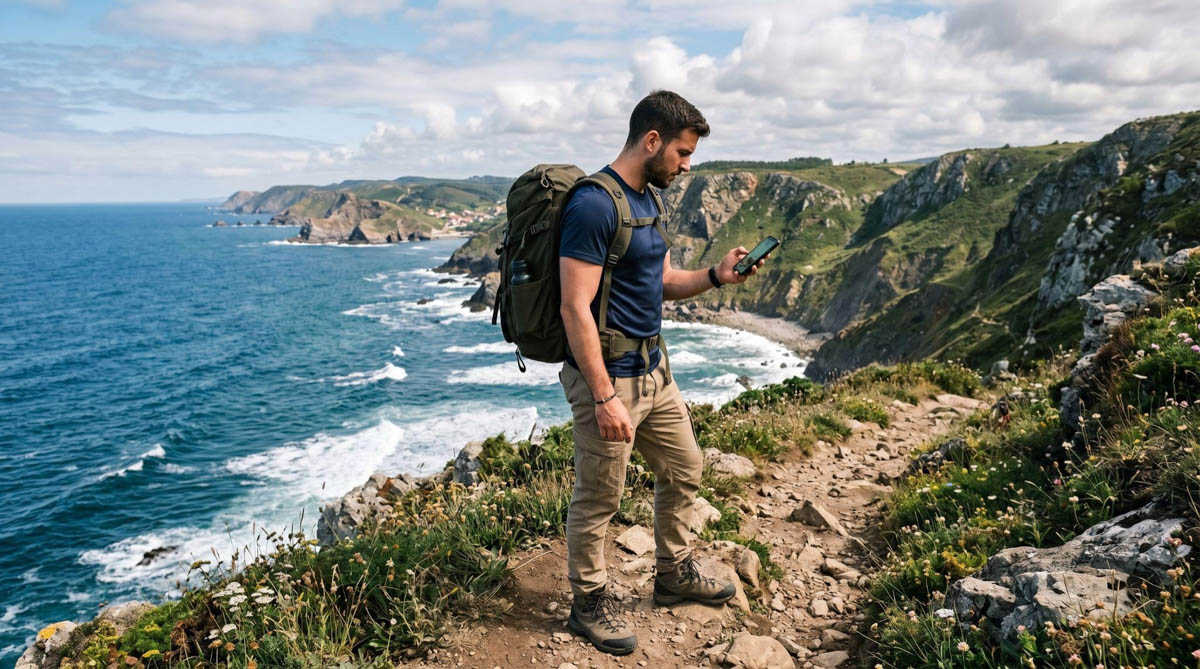

Travelers picture remote coastal trips as quiet beaches and small fishing towns, along with clear water with no crowds. And honestly, that is often true.
What people ignore is thinking about how quickly things can change in these places. One moment, everything feels easy, and the next you are dealing with weak signals, delayed boats or weather that forces you to change your plans.
It is not about making travel sound difficult. It is just about understanding how these areas work so you don’t end up stuck in small but annoying problems.
Once you know what to expect, the trip feels more relaxed and a lot more enjoyable.
Before You Leave Home
Remote coastal travel starts way before you actually arrive. Most problems happen because people assume things will work the same way as in cities. That is usually where things go wrong.
Check Where You Are Actually Going
A lot of coastal destinations look simple on maps, yet reality can be very different. Some places are far from hospitals, some depend on boats, and some have roads that are not well maintained.
Before you go, don’t just look at photos or social media posts. Try to understand the actual setup of the place. How long does it take to reach from the nearest town? Are roads reliable? Do boats run on fixed timing or just when they are full?
Weather also matters more than people think. Conditions may change fast in coastal areas. It affects transport, safety, and even basic movement.
Taking a few minutes to check these things saves you from greater stress later.
Plan Your Communication Before You Travel
People rarely consider phone services as an important thing until they need it.
You arrive at a small coastal town. The guesthouse owner sent directions yesterday. The ferry schedule changed. Rain is expected tomorrow morning. Your phone suddenly becomes one of the most useful things you’re carrying.
The mistake many travelers make is assuming they will sort everything out after arrival. That usually works in large cities. It doesn’t always work in smaller coastal destinations where you face limited services and shops may close earlier than expected.
Travelers spent part of their first day looking for a local SIM card a few years ago. Now a lot of people set up a cheap eSIM before leaving home instead. It means you can check maps, messages, reservations, and transport information as soon as you arrive.
Coastal areas have some spots where you may experience no mobile signals. So, it’s recommended not to rely on mobile data. Coverage can be strong in one harbor and weak a few miles down the coast.
That is why experienced travelers usually prepare both ways. They download maps before leaving, keep copies of reservations on their phones, and save important travel information where it can be accessed without internet.
It sounds like a small thing. Right up until the moment you need it.
Stay Flexible After Arriving
Remote coastal regions rarely operate with the same level of predictability as large cities. Boats can be delayed because of the weather. Local transportation may run on reduced schedules, and conditions that look perfect in the morning may change by the afternoon.
Most visitors encounter some kind of schedule change during their trip. A ferry departure may be pushed back. A boat excursion may leave later than planned. In some destinations, transportation schedules are treated more as a guideline than a guarantee.
A delay early in the day can affect everything that follows. That becomes a problem when transfers, activities, and accommodation check-ins are planned too closely together.
When changes happen, access to current information matters. Travelers often need to check updated transport schedules, contact accommodation providers, or confirm alternative arrangements. For travelers using a cheap eSIM, those tasks are usually straightforward wherever local network coverage is available.
Transport and Timing
There is no strict schedule of transport in remote coastal areas. Boats may leave early or late, or may sometimes not at all, depending on the weather or demand. That is normal there. But it frustrates you if you are not ready for it.
That is why timing needs flexibility. Don’t plan everything too tightly. Give yourself extra time between connections. It helps you to avoid one delay affecting your whole trip.
Talking to locals is the best approach, so never rely only on schedules or apps. They usually know the real situation better than anything written online.
Remember the key points when you travel to coastal areas
- Arrive early for boats or local transport
- Always keep extra time between travel plans
- Ask locals before taking unfamiliar routes
- Carry enough cash for food and transport
Having these habits saves you from the most common travel problems without much effort.
Stay Aware and Travel Smart
Remote coastal areas are not dangerous if you are careful. They just require attention. Weather, tides and sea conditions can change faster than expected, specifically near open water.
One-time weather checking may get you in trouble. It is better to check it regularly, particularly before outdoor activities. If locals say conditions are not good, it is better to listen and adjust your plan.
Daily habits also matter. Keep your phone charged when possible. Carry drinking water when moving around. Stick to known paths until you understand the area better. And avoid going too far alone in places you don’t know well.
Nothing complicated here. Just basic awareness and slow decision-making.
Conclusion
Remote coastal travel is not for people who need everything to go exactly according to plan.
The weather has its own schedule. Boats have their own schedule. Sometimes even the internet has its own schedule.
That is part of the appeal.
You visit these places because they feel different from busy cities and crowded tourist areas. Life moves a little slower. You may feel things are less convenient and more memorable.
Your little preparation before you leave saves you from many common headaches. Download your maps. Keep important information on your phone. Bring some cash. Set up a cheap eSIM before the trip. It helps you stay connected when networks are available.
After that, stop worrying so much.
You may forget the delayed ferry or bad weather issues. What you will remember is the coastline and the small harbor, along with the places that felt something truly unique compared to everywhere else you’ve traveled.