




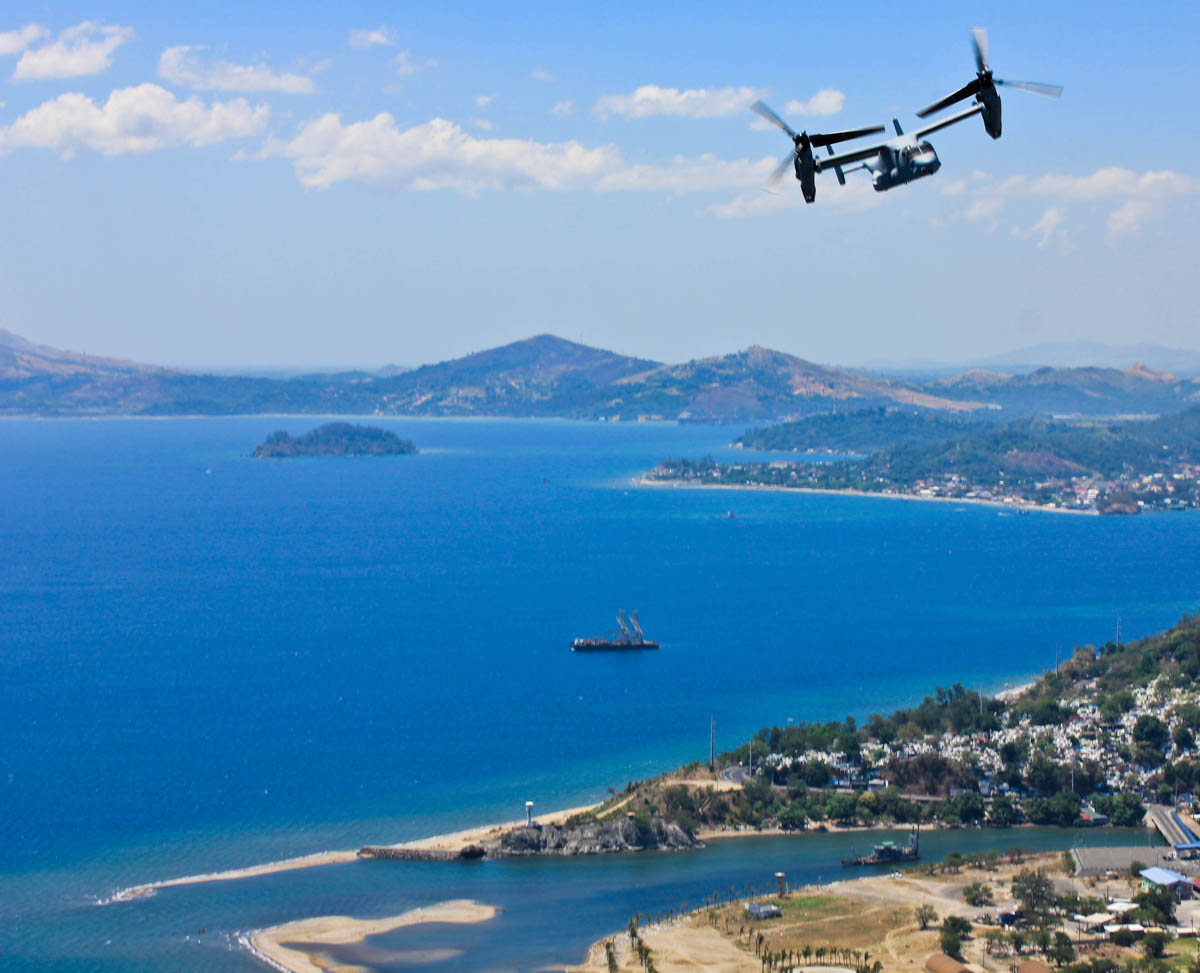

In the calm waters of Subic Bay in the Philippines, a complex and deeply sensitive underwater operation is underway. US recovery teams have begun work on the wreck of the Oryoku Maru, one of the most infamous Japanese “hell ships” of World War II.
At first glance, the story has been framed as a simple update, divers entering a historic wreck and beginning to recover artifacts. But beneath that headline lies something far more significant for the diving world. This is not just another wreck exploration. It is a technically demanding, ethically complex, and emotionally charged operation that highlights the realities of modern underwater recovery diving.
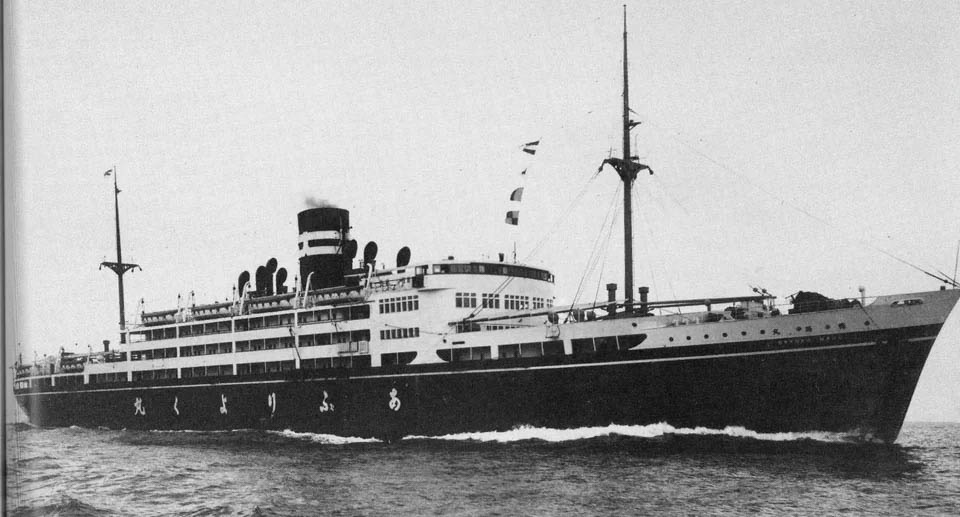
https://i.imgur.com/I0gCHRz.jpg, Public domain, via Wikimedia Commons
A Wreck That Is Also a War Grave
The Oryoku Maru was sunk in December 1944 while transporting Allied prisoners of war under brutal conditions. The tragedy is well documented, with hundreds of prisoners dying during and after the attack, making the wreck both a historical site and a war grave.
Today, the mission is being led by the Defense POW/MIA Accounting Agency (DPAA), which is tasked with recovering and identifying the remains of missing US personnel. According to reporting from Military.com’s investigation into the recovery operation, divers have begun carefully extracting items and remains from within the wreck structure.
This immediately places the operation in a different category from recreational or even technical wreck diving. Every movement is governed by forensic protocols, respect for the dead, and the legal framework surrounding military recovery.
Why This Is Not a “Typical” Wreck Dive
For divers familiar with wreck exploration, the conditions inside the Oryoku Maru will feel recognisable, but amplified.
Subic Bay is known for its wrecks, but also for:
- Fine silt that can reduce visibility to zero within seconds
- Fragile, collapsing internal structures
- Tight, enclosed compartments with limited exit routes
Now add the requirements of a forensic recovery mission.
Divers are not simply observing or documenting. They are:
- Excavating sediment layer by layer
- Preserving context for identification
- Avoiding contamination of remains
- Working within strict chain-of-custody procedures
This transforms the dive from exploration into something closer to underwater surgery.
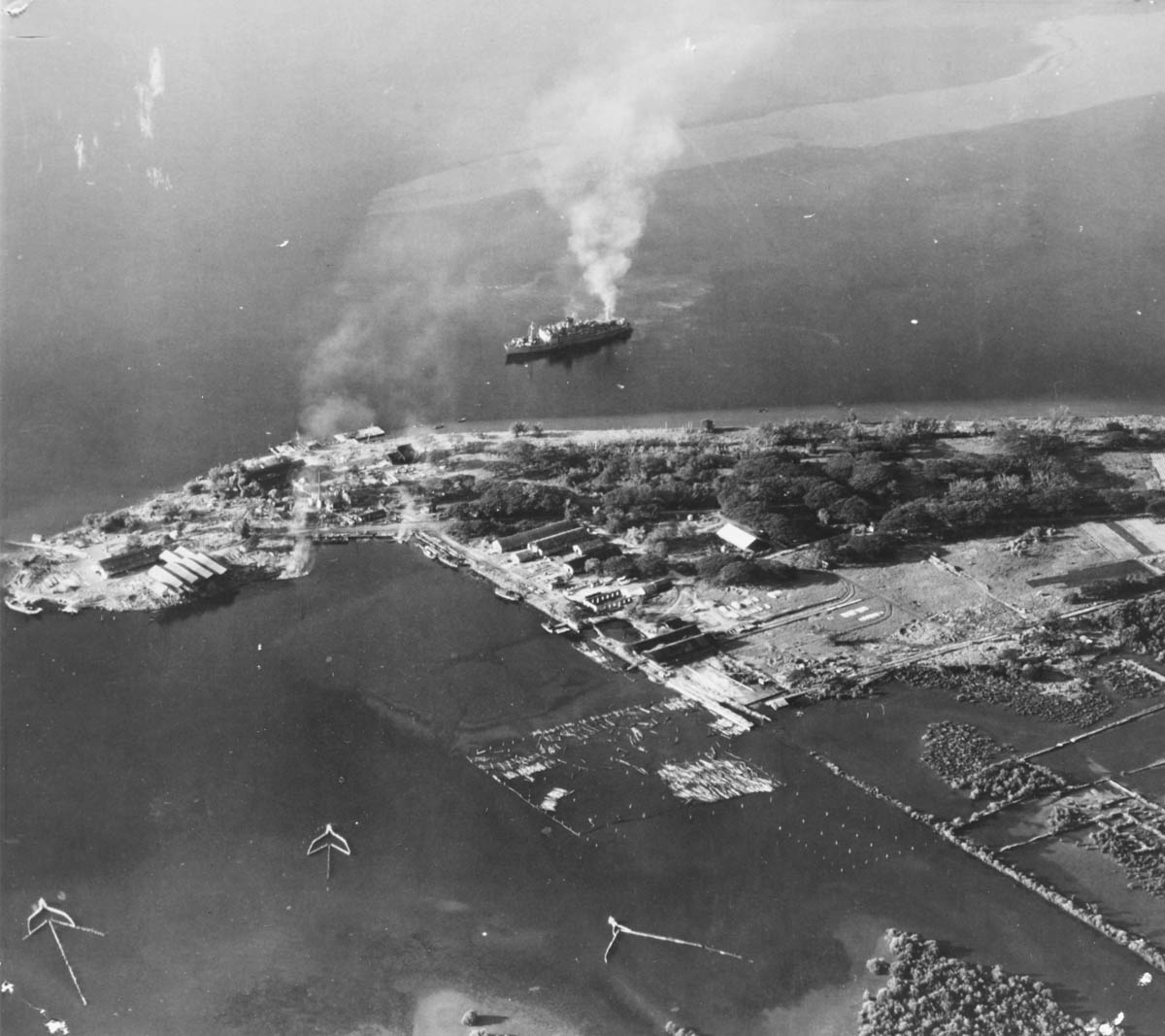
Naval History & Heritage Command, Public domain, via Wikimedia Commons
The Technical Reality Beneath the Surface
Reports on the operation confirm that this is a long-term, methodical effort rather than a rapid recovery. According to coverage from BusinessWorld on the DPAA-led mission in Subic Bay, the project began earlier in 2026 following years of site assessment and planning.
That preparation matters.
Unlike many wreck dives where penetration is guided by instinct and experience, this operation relies on:
- Detailed site mapping
- Controlled excavation grids
- Sediment management strategies
- Integration between divers and topside forensic teams
The margin for error is effectively zero. A disturbed layer of sediment could mean losing critical historical or identification evidence forever.
The Ethical Line Every Diver Should Understand
One of the most important aspects of this story is not technical, it is ethical.
Wrecks like the Oryoku Maru are not just dive sites. They are final resting places.
This distinction is often discussed in theory within the diving community, but rarely demonstrated at this level of operational intensity. Here, it is enforced in practice. Every artifact, every bone fragment, every personal item is treated as evidence tied to a human story.
For recreational divers, this raises an uncomfortable but necessary question.
Where is the line between exploration and disturbance?
In heavily dived regions around the world, artifacts are often removed, handled, or displaced with little thought. In contrast, operations like this show what responsible interaction with such sites actually looks like when the stakes are fully understood.
Why This Matters Beyond One Wreck
It would be easy to view this as a niche military recovery story, but its implications go much further.
This operation reflects the future of:
- Underwater archaeology
- War grave protection
- Deep wreck documentation
- Ethical diving standards
As more historic wrecks are located and explored, particularly with advances in technology, the tension between access and preservation will only increase.
The work in Subic Bay provides a clear benchmark. It shows what is possible when resources, expertise, and intent are aligned toward recovery and respect rather than discovery alone.
The Bigger Story the Headlines Miss
The current media framing focuses on divers “pulling artifacts” from a WWII wreck. That is technically accurate, but it misses the real story.
This is not about artifacts.
It is about identification, closure, and responsibility.
It is about applying the highest standards of diving, not for exploration or tourism, but for remembrance.
And for the diving industry, it is a reminder that some wrecks demand more than skill. They demand restraint.
Comments







.jpg)
.webp)
