



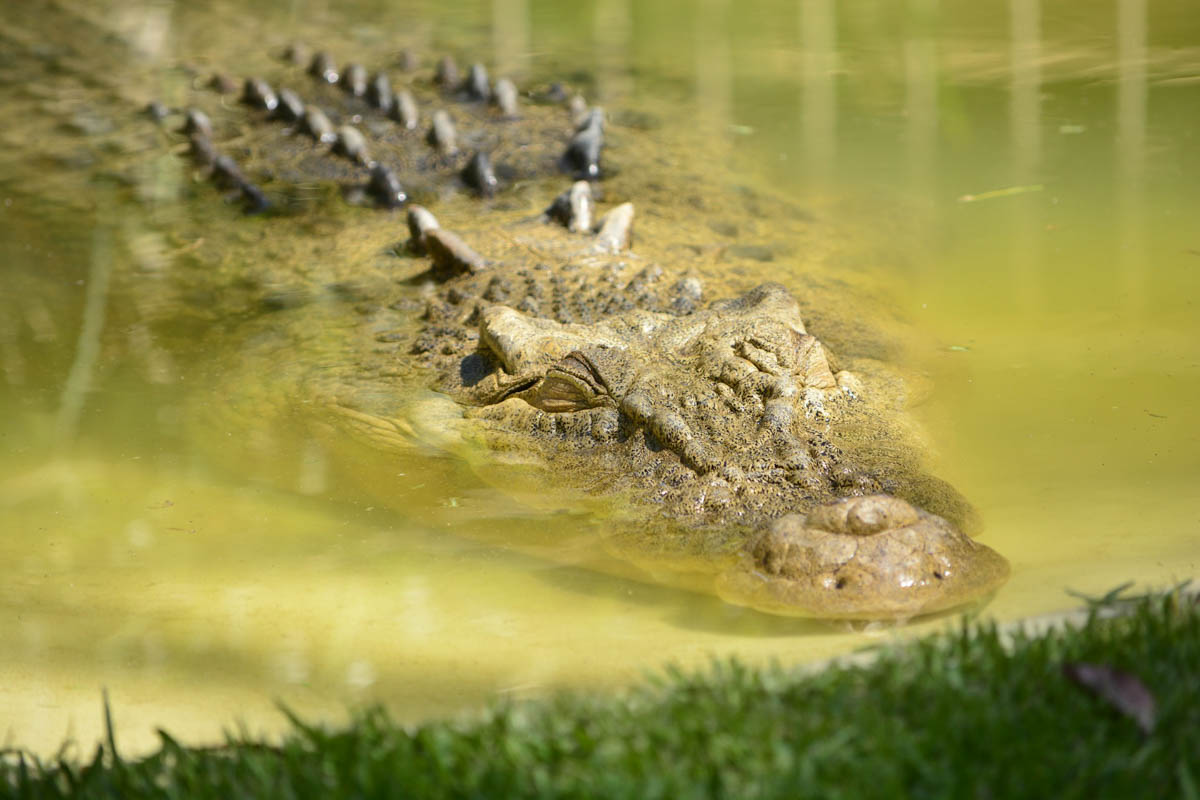

A reported crocodile attack involving a diver in Mexico is drawing attention across the global dive community, not just for the incident itself, but for the unanswered questions surrounding it.
According to multiple US media reports, including coverage from KIRO 7 News, a 72-year-old diver from Washington State is said to have been attacked while in the water during a dive trip in late March 2026. Early accounts suggest the diver survived the encounter and was later recovering, but beyond that, confirmed details remain limited.
At the time of writing, there has been no widely published official statement from local authorities or dive operators confirming the exact circumstances. Key facts, including the precise location, the type of environment, and whether the individual was actively scuba diving or at the surface, have not been clearly established.

That lack of clarity matters.
Crocodiles are present in parts of Mexico, particularly in coastal lagoons, mangroves, and brackish environments where freshwater meets the sea. However, encounters involving divers are extremely rare, and most dive operations in known crocodile regions operate with strict awareness of local conditions.

This is where the story becomes more than just a headline.
Without confirmed context, it is difficult to determine whether this incident represents an unusual convergence of factors or something that could have been anticipated or avoided. For divers, those distinctions are critical. Risk in diving is rarely about isolated events, it is about understanding conditions, environments, and decision-making.
There is also a broader issue at play. Stories involving dramatic wildlife encounters often spread quickly, sometimes before the facts are fully established. That can distort perception, especially in a global activity like diving where environments vary widely from one location to another.
Millions of dives take place every year without incident. Even in regions where potentially dangerous marine life exists, structured dive operations, briefings, and local expertise significantly reduce risk.
Still, incidents like this, even when only partially understood, serve as a reminder of an underlying truth. The underwater world is dynamic, and conditions can change quickly.
As further details emerge, this incident may become clearer. For now, it remains a reported event that highlights the importance of context, caution, and informed diving.
The Scuba News will continue to follow developments as more verified information becomes available.
Comments





1 Comment
We have been diving in Cozumel in April for the last 13 years. When we’re not diving, we’re snorkelling along the shore on the West side. Last year, we were forced to leave the water due to a crocodile. We understand this is not uncommon there. Might think twice before snorkelling again.